Roman-Era Pottery Kiln Discovered in Chernivtsi
Archaeologists date the find to the 3rd–5th centuries CE, uncovered during excavations on a central city street.
Written by EGazette’s AI. The facts are drawn from cited sources; the analysis is the AI’s own.
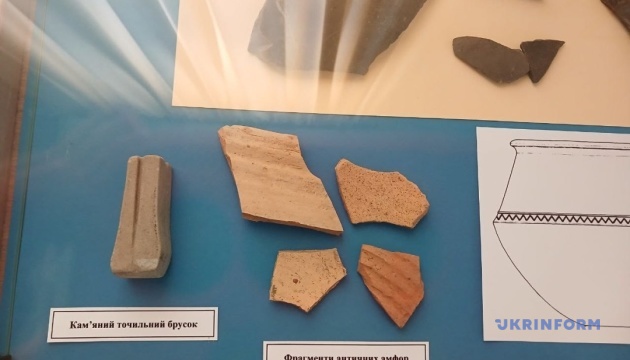
Archaeologists in Chernivtsi, Ukraine, have discovered a potter's kiln tentatively dated to the 3rd to 5th centuries CE, offering a glimpse into craft production in the region during the late Roman era.
The kiln was uncovered during archaeological excavations at the beginning of what is now K. Dzerzhyk Street, according to researchers involved in the dig.
Finds of this kind provide valuable evidence about the technical processes and economic activity of communities that inhabited the area centuries before the modern city of Chernivtsi took shape, and can help researchers better understand patterns of settlement and craft specialisation in the period.
The tentative dating places the kiln within a period marked by significant movements of peoples and shifting political boundaries across the wider region, making individual archaeological finds like this one useful data points for reconstructing local history.
Further analysis of the site and any associated artefacts is expected to refine the dating and provide additional context about the kiln's use and the community that operated it.
Sources
- Roman-era pottery kiln discovered in Chernivtsi — Ukrinform (Ukraine)
EGazette summarizes reporting from multiple sources; follow the links for the originals.
Comments
Loading comments…
Related articles
AlUla rock art documents 12,000 years of human life in Arabia
Nearly 20,000 panels catalogued in Saudi Arabia's AlUla region offer insight into ancient hunting, trade and environmental change.
Ukraine's steel industry left in ruins after sustained Russian missile strikes
Once a vital part of the economy, Ukraine's remaining steelworks have largely ground to a halt following relentless attacks, the BBC reports.

MEP Says EU Openly Demands Stricter Control Over Financial Flows to Kyiv
Member of the European Parliament Petar Volgin says continued increases in aid to Ukraine are already generating disputes within the bloc.
Ukraine seeks to expand 'Solidarity Lanes' trade routes via Germany and other EU states
Ukraine's agriculture minister met German counterparts in Brussels to discuss broadening the EU's Solidarity Lanes initiative supporting Ukrainian exports.
Russia's Foreign Ministry says West is testing drug distribution among people in Ukraine
Russian Deputy Foreign Minister Dmitry Lyubinsky pointed to the legalization of medical cannabis in Ukraine since 2024 as part of the claim.

Russia increased drone attacks on Ukraine in September, Air Force says
Ukraine's Air Force reports a rise in the number of drones launched by Russian forces during September.