Rights groups warn of growing cross-border threats to Asia's pro-democracy activists
Campaigners say authoritarian governments in the region are increasingly cooperating to track down and silence dissidents who have fled abroad.
Written by EGazette’s AI. The facts are drawn from cited sources; the analysis is the AI’s own.

Human rights organizations are raising alarm over what they describe as an expanding pattern of cross-border repression targeting pro-democracy activists across Asia, warning that dissidents who flee their home countries are no longer safe even after reaching foreign soil.
According to rights monitors, authoritarian governments in the region have increasingly found ways to cooperate with one another to locate, detain, and in some cases forcibly return activists who have sought refuge abroad. Researchers have described the phenomenon as a kind of informal exchange system, in which governments assist each other in tracking down critics regardless of where they have fled.
The warnings point to a broader trend in Southeast Asia, where campaigners say the reach of state security services has extended well beyond national borders in recent years. Activists, journalists, and former political prisoners have reported being monitored, harassed, or intimidated while living in countries that were previously considered safe havens.
Human rights groups argue that this cooperation between governments undermines the international protections that asylum seekers and refugees are meant to receive, and that it creates a chilling effect on activism throughout the region. Some organizations have called for stronger international mechanisms to protect at-risk individuals, including closer scrutiny of extradition requests and deportation proceedings involving political dissidents.
The situation underscores the precarious position faced by many pro-democracy campaigners in Asia, where political crackdowns in several countries have pushed growing numbers of activists into exile. Rights advocates say that without stronger safeguards, the risk of transnational repression is likely to persist, leaving activists vulnerable even far from home.
Sources
EGazette summarizes reporting from multiple sources; follow the links for the originals.
Comments
Loading comments…
Related articles

Russia rejects UN human rights office report on violence in Ukraine
Russia's ambassador-at-large dismissed findings in a UN OHCHR report on violence in Ukraine, questioning the credibility of the interviews it cites.
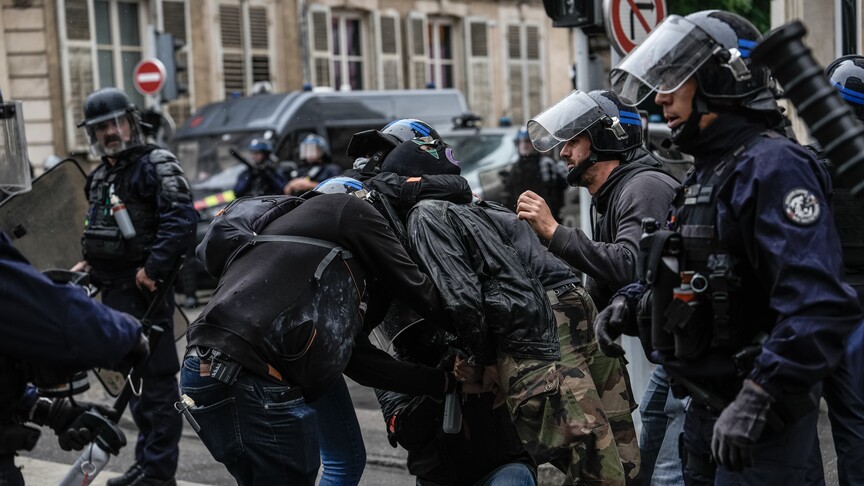
Amnesty International Raises Alarm Over Police Violence Against French Students
The human rights group says minors protesting for better conditions 'must be protected, not beaten with batons.'

UN rights chief urges 'decisive shift' toward de-escalation and peace in Ukraine
Volker Türk calls for local ceasefires, an end to strikes on energy and economic targets, a full prisoner exchange, and safe passage for civilians to leave Oleshky.
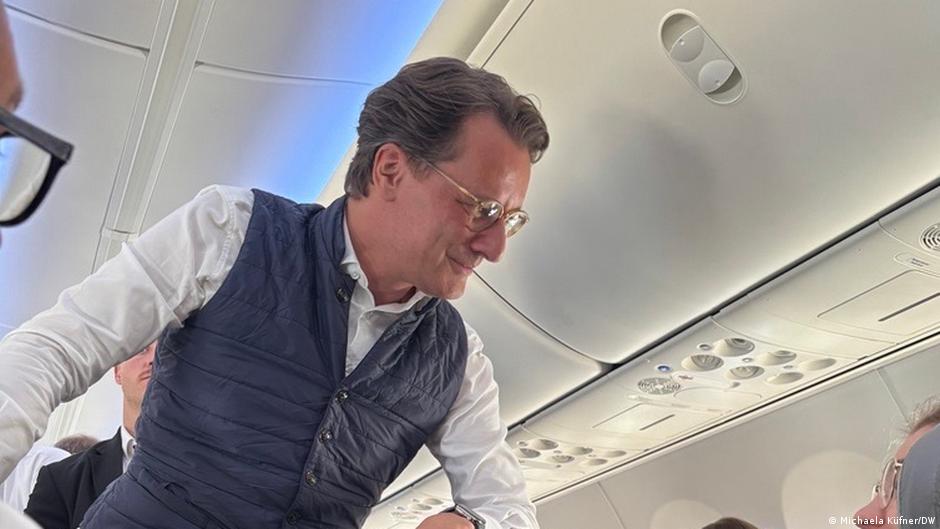
Hendrik Wüst Visits Ankara and Meets Erdoğan on an Economic Trip
The premier of the German state of North Rhine-Westphalia visits Turkey to mark the 65th anniversary of the Turkish labor recruitment agreement with Germany.
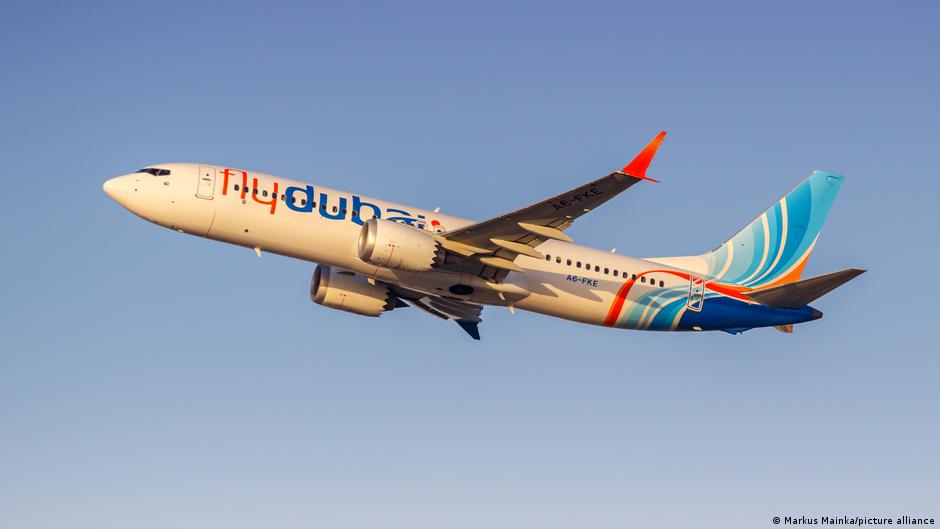
UAE Official Calls FlyDubai Plane Incident a "Serious Terrorist Act" Amid US Threats Against Iran
An adviser to the UAE president has described the FlyDubai plane incident as a serious terrorist act, as US President Donald Trump threatens Iran with a powerful strike if its involvement is confirmed, while Washington continues to reinforce its military presence in the region.
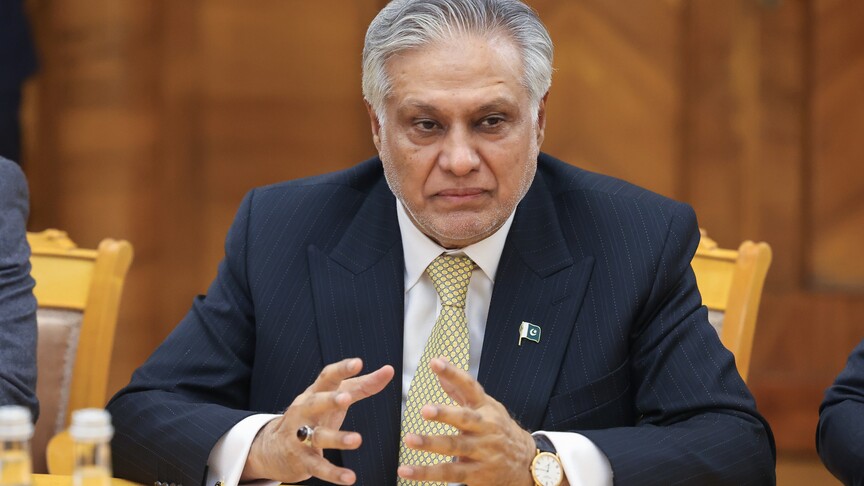
Mecca Pact's Strategic Defense Committee to Convene 'Soon,' Pakistan Says
Pakistan's foreign minister said at least six additional nations have expressed interest in joining the mutual defense pact signed by Pakistan, Turkey and Saudi Arabia in August.