RFK Jr. Appoints Eight New Members to U.S. Preventive Services Task Force
The panel, which influences insurance coverage for services such as colonoscopies, has gained new members under Health and Human Services Secretary Robert F. Kennedy Jr., according to a report from Ars Technica.

Health and Human Services Secretary Robert F. Kennedy Jr. has named eight new members to the U.S. Preventive Services Task Force (USPSTF), an influential federal panel that helps determine which preventive medical services insurers are required to cover, according to a report published by Ars Technica.
The USPSTF is an independent, volunteer panel of medical experts that reviews clinical evidence and issues recommendations on preventive care, including screenings such as colonoscopies. Under federal law, many private insurance plans are required to cover services that receive high grades from the task force without charging co-pays, making its recommendations significant for both patients and the healthcare industry.
According to the Ars Technica report, the appointments mark the latest instance of Kennedy reshaping the composition of a federal health advisory body since he became HHS secretary. The outlet described the newly named members as "questionable picks," though specific details about the individuals' backgrounds, qualifications or the rationale for their selection were not included in the available excerpt of the report.
The USPSTF operates independently of political appointees in its evaluation of scientific evidence, but its members are appointed through HHS. Changes in membership can affect the direction of the panel's future recommendations on screenings and preventive services that shape insurance coverage nationwide.
Ars Technica has previously reported on personnel changes to other federal health advisory panels under Kennedy's tenure at HHS. Further details on the specific individuals appointed to the USPSTF and their professional backgrounds were not available in the source material reviewed for this report.
EGazette has reached out to HHS for additional comment and will update this story as more information becomes available.
Sources
EGazette résume des articles de plusieurs sources ; suivez les liens pour les originaux.
Articles liés

Migraine : l’activité physique, une alliée longtemps redoutée
Souvent perçue comme un facteur déclenchant de crises, l’activité physique pourrait pourtant contribuer à réduire la fréquence et l’intensité des céphalées, selon un sujet abordé lors d’un sommet francophone consacré à cette maladie neurologique.
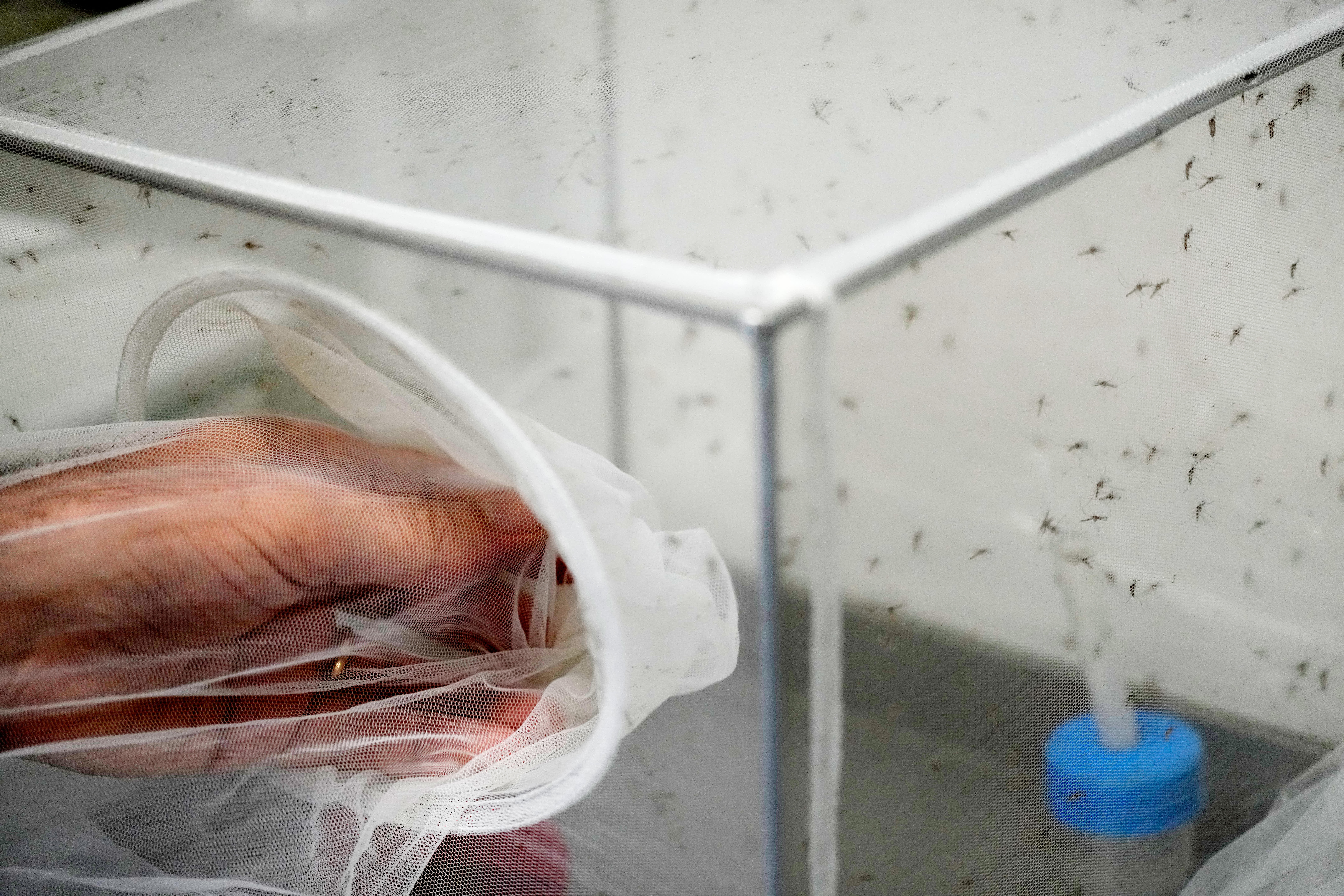
L'Italie signale une propagation plus large du virus du Nil occidental avec la hausse des températures
Les autorités sanitaires italiennes affirment que les saisons plus chaudes et plus longues aident les moustiques à propager le virus vers de nouvelles régions et à prolonger la période à risque, selon un rapport de NPR News.

Emma Heming Willis évoque la maladie de son mari Bruce Willis et son rôle d'aidante
Près de quatre ans après le diagnostic de dégénérescence fronto-temporale posé chez l'acteur américain, son épouse témoigne de son quotidien et publie un récit traduit en français.

Le pic de l'épidémie d'Ebola en RDC reste incertain selon Africa CDC
L'agence sanitaire de l'Union africaine contredit les autorités congolaises sur le moment du pic épidémique.

Psychose du post-partum : le procès de Lindsay Clancy relance le débat aux États-Unis
Le cas d'une mère accusée du décès de ses trois enfants remet au cœur du débat public une maladie psychiatrique rare mais grave survenant après l'accouchement.
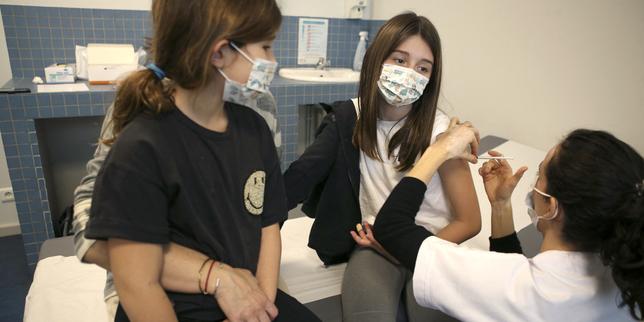
La couverture vaccinale des enfants recule dans plusieurs pays d'Europe depuis la pandémie de Covid-19
Une étude publiée par The Lancet révèle que la vaccination infantile est en baisse dans 16 pays de l'Union européenne depuis 2024.
Comments
Loading comments…