Review: Beverly Buchanan's sculptures turn ramshackle Southern architecture into powerful memorials
A Spike Island exhibition showcases Buchanan's exceptional works, which combine folk art and minimalism to memorialise the survival of enslaved people in the American South.
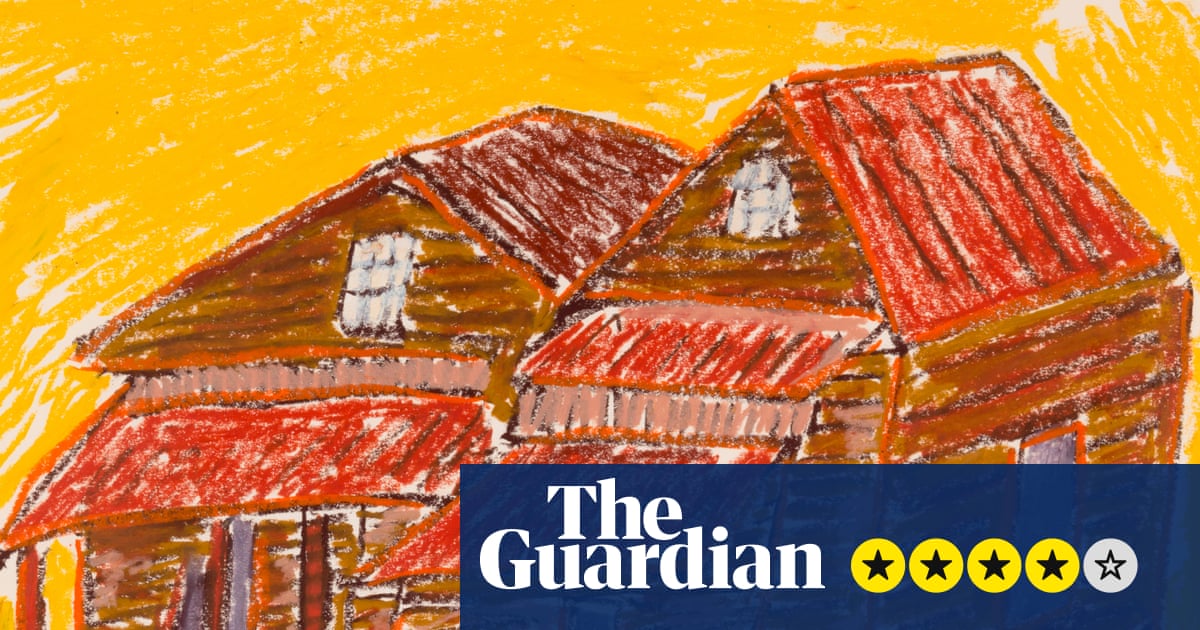
An exhibition of works by artist Beverly Buchanan at Spike Island in Bristol is drawing attention for its portrayal of ramshackle miniature buildings inspired by the shacks, sheds and shotgun houses of the American South, according to a review published by The Guardian.
Buchanan, who died in 2015, drew inspiration from childhood visits with her father to tenant farmers and sharecroppers across the American south-east, where she encountered improvised architecture built more than a century after the abolition of slavery. According to the review, she came to see these structures as symbols of survival and perseverance for the people who built and lived in them.
Small scale, large meaning
The review describes the exhibition as filled with small, deliberately rough and dilapidated sculptures made from scrap wood, cardboard and other humble materials, including tiny barns, churches and houses. One larger sculpture, depicting a shed that appears on the verge of collapse, is singled out as a standout piece in the show.
The review notes that Buchanan's later work was often created at a smaller scale due to chronic illnesses that kept her confined to her home for extended periods, a practical constraint that nonetheless became part of the intimate character of her sculptural practice.
By translating vernacular Southern architecture into art, Buchanan's sculptures are presented in the review as combining elements of folk art and minimalism, offering a lasting artistic memorial to the resilience of formerly enslaved communities and their descendants in the American South.
Sources
- Beverly Buchanan review – ramshackle mini barns and shanties bursting with brutal history — The Guardian — Culture
EGazette summarizes reporting from multiple sources; follow the links for the originals.
Related articles
Rachel Kneebone Exhibition at Wallace Collection Draws Praise for Porcelain Sculptures
A review of the British sculptor's show at the Wallace Collection in London says her delicate porcelain works hold their own among the venue's rococo masterpieces.

Ai Weiwei unveils 40-metre sculpture 'Mushrooms' on Sydney Harbour
Speaking from his farm in Portugal, the artist discussed war, peace and what he calls art that 'questions the existing order.'
Turner Prize Exhibition Opens at MIMA Middlesbrough Featuring Kira Freije
This year's shortlist show at the Middlesbrough Institute of Modern Art has drawn strong attention to sculptor Kira Freije's installation of life-size figures.

From Nagaland to the Oscars: Indian film 'Angh' brings a rarely seen world to global cinema
After a major win at the Toronto International Film Festival, the northeastern Indian film Angh is now on a path toward Oscars consideration.

'We're all broke': How much would you ask a friend to pay back?
A look at the small sums people are — and aren't — willing to chase from friends, and what that says about money and friendship.

Catherine Zeta-Jones Draws on Welsh Humor for New Role in 'Kill Jackie'
The actress plays Jackie Price, a former cocaine dealer targeted by assassins, in the new project.
Comments
Loading comments…