Researchers Test Handheld Scanner to Screen Ancient Scrolls for Analysis
A new study reports that a portable X-ray fluorescence device can help identify which carbonized scrolls are most likely to yield readable text before more intensive imaging is attempted.
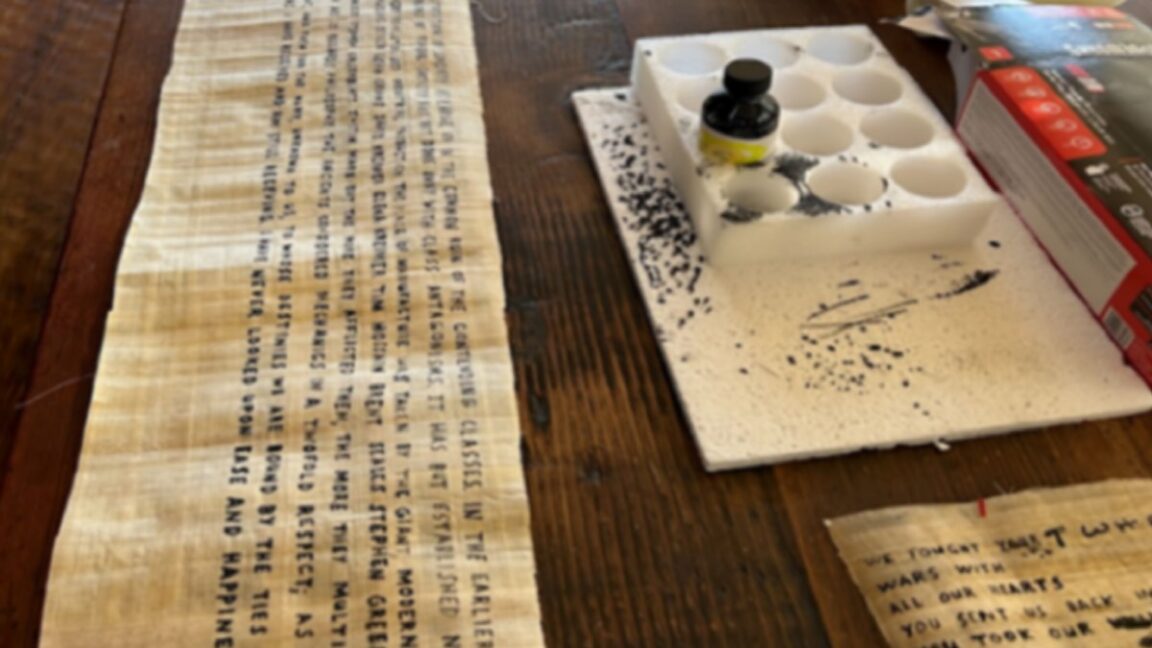
Scientists have developed a new method for evaluating ancient, carbonized scrolls that could help prioritize which artifacts are worth subjecting to more extensive and costly imaging techniques, according to a report by Ars Technica.
The scrolls in question originate from Herculaneum, a Roman town buried and carbonized by the eruption of Mount Vesuvius in 79 AD. Because the scrolls are extremely fragile and their surfaces are blackened, researchers have spent years developing non-invasive techniques, including X-ray-based imaging and computational "virtual unwrapping," to recover text without physically opening the brittle artifacts.
According to the report, researchers built their own model scrolls to test and refine an approach that relies on a handheld X-ray fluorescence (XRF) scanner. The device measures the elemental composition of the ink and surrounding material, which can indicate whether text is present and potentially legible.
The report states that the researchers found the handheld scanner sufficient to determine which scrolls are the most promising candidates for further, more detailed analysis. This screening step could help teams working with collections of Herculaneum scrolls focus limited time and resources on the artifacts most likely to yield readable content.
Ars Technica did not specify further details of the study's methodology or findings beyond describing the use of the model scrolls and the handheld XRF scanning approach.
Sources
EGazette résume des articles de plusieurs sources ; suivez les liens pour les originaux.
Articles liés
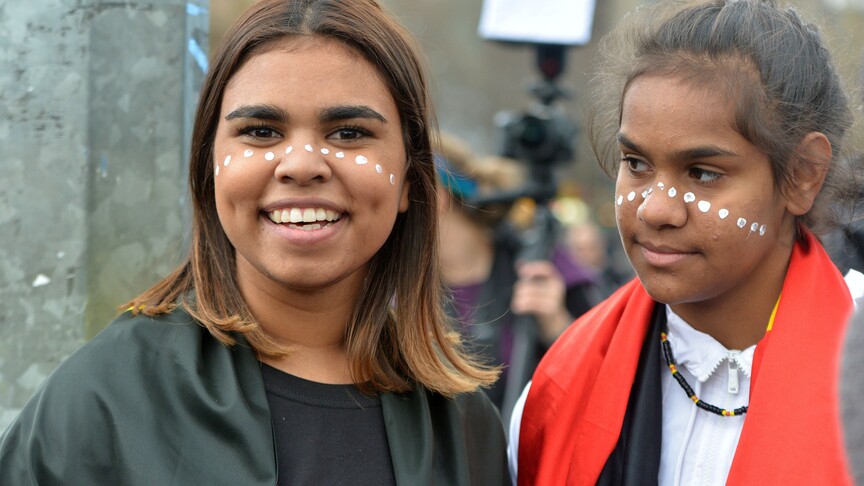
Une étude suggère que la population autochtone précoloniale d'Australie aurait pu être beaucoup plus importante qu'on ne le pensait
Une nouvelle recherche estime qu'environ 2,22 millions de personnes autochtones vivaient en Australie avant l'arrivée des Britanniques en 1788, selon un rapport de l'Agence Anadolu.
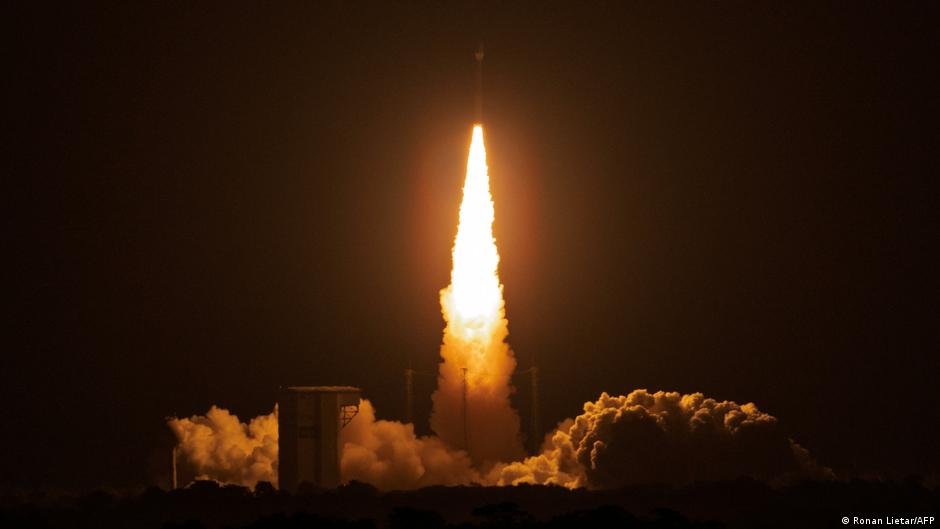
L'Agence spatiale européenne lance deux satellites pour surveiller le changement climatique
Les nouveaux satellites aideront les scientifiques à étudier les effets du changement climatique, l'un des instruments étant dédié à l'observation de la vie végétale

Découverte exceptionnelle de fossiles dénisoviens dans une grotte du sud-ouest de la Chine
Des restes rarissimes de ces « cousins » asiatiques de l’homme de Néandertal ont été mis au jour aux côtés d’outils en pierre, offrant un éclairage inédit sur leur mode de vie.
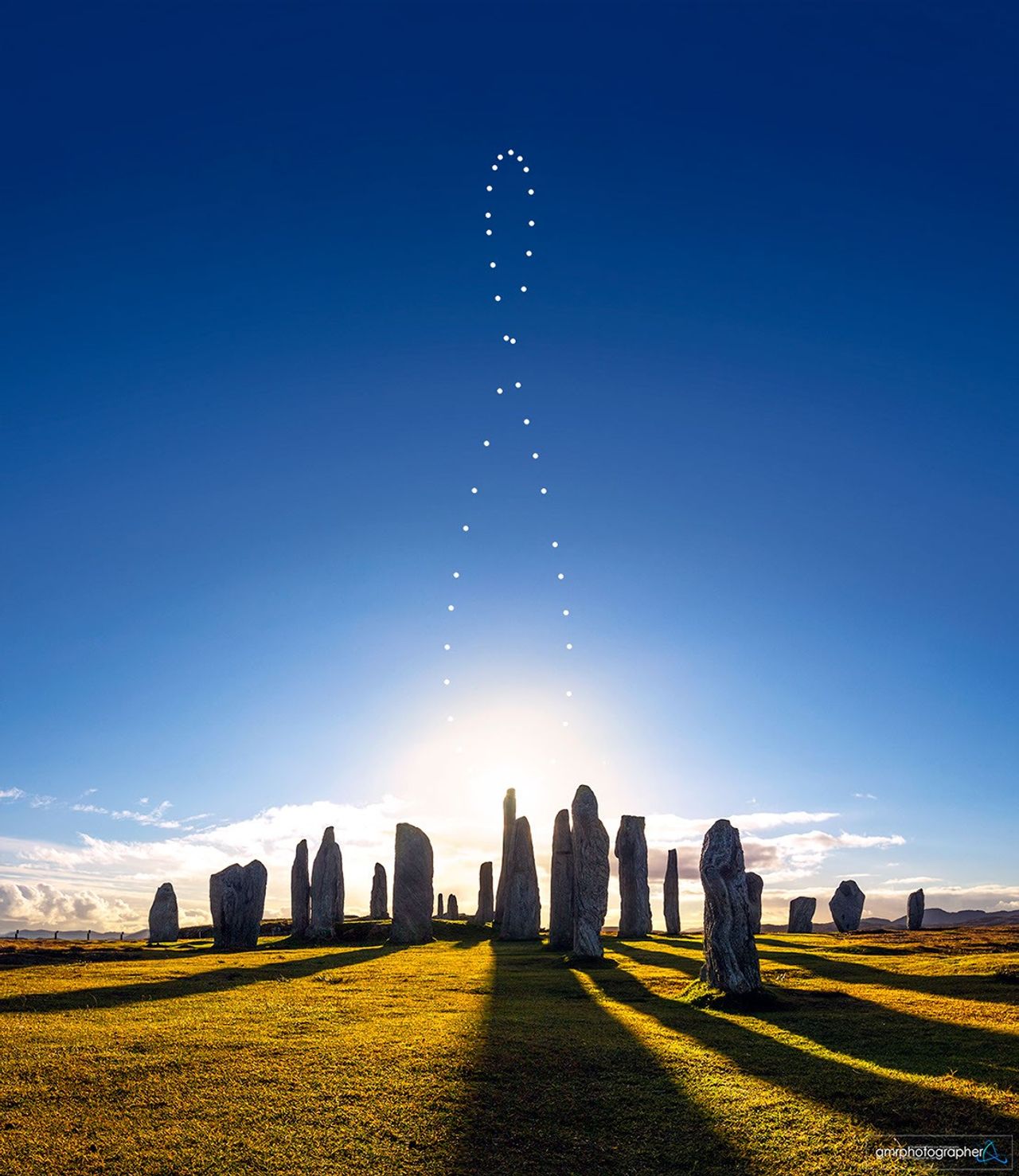
L'image astronomique du jour de la NASA met en avant une analemme au-dessus des pierres de Callanish en Écosse
L'édition du 20 septembre 2026 de la célèbre série APOD de la NASA présente une image composite montrant le trajet annuel du soleil au-dessus des anciennes pierres de Callanish.
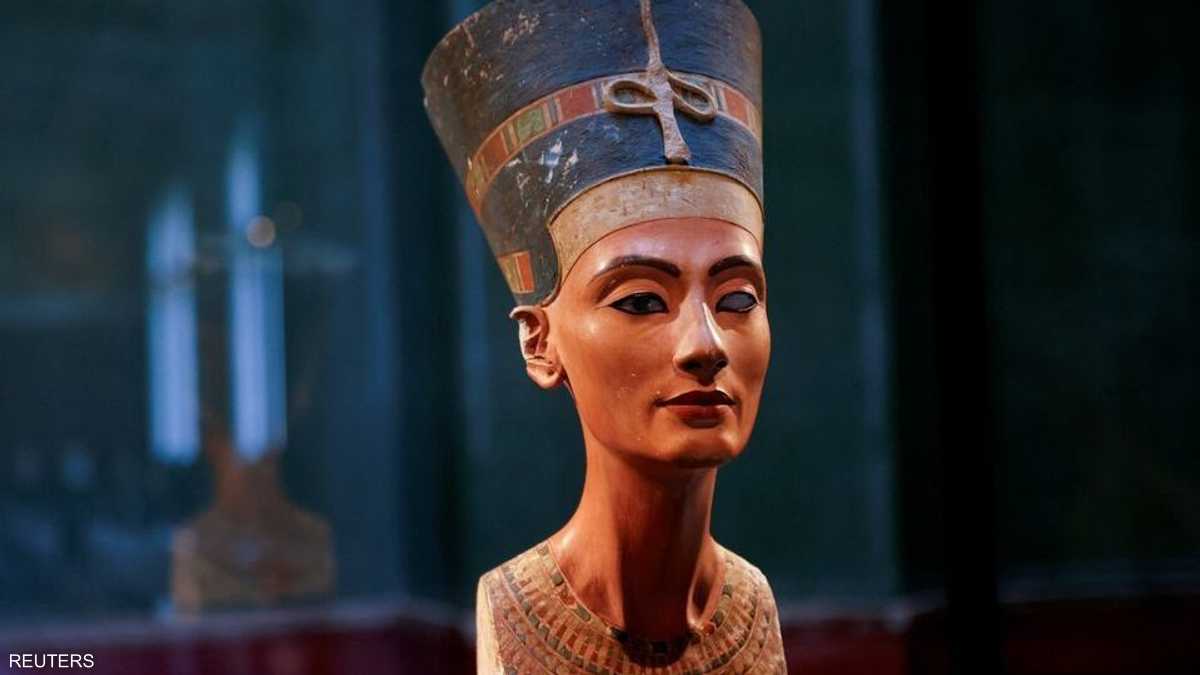
De nouvelles preuves archéologiques révèlent des passages secrets derrière le tombeau de Toutânkhamon
Une étude archéologique rouvre le dossier du tombeau perdu de la reine Néfertiti après la détection d'indices pointant vers l'existence de chambres et de passages non découverts derrière les murs du tombeau du jeune pharaon dans la Vallée des Rois

Une nouvelle espèce de félin sauvage découverte en Bolivie
Des scientifiques boliviens annoncent l'identification du "tilcayo", un chat sauvage au pelage tacheté observé dans la région montagneuse de Los Yungas.
Comments
Loading comments…