Researchers Report Possible Signature of Dark Matter, BBC Programme Says
A BBC Inside Science broadcast states that researchers may have identified evidence pointing to dark matter, though specific details of the finding were not disclosed in the source material.
A BBC Radio science programme has indicated that researchers may have detected a signature associated with dark matter, according to a broadcast description published by BBC Science & Environment.
The claim was featured in an episode of BBC Inside Science, a programme that regularly covers developments in scientific research. According to the brief description accompanying the broadcast, researchers "may have discovered the signature of a bit of dark matter."
Dark matter is a form of matter that does not emit, absorb, or reflect light, making it undetectable by conventional telescopes. Scientists infer its existence through its gravitational effects on visible matter, radiation, and the large-scale structure of the universe. Despite decades of research, direct detection of dark matter particles has remained elusive.
The BBC has not provided further detail in the publicly available excerpt regarding the nature of the finding, the research team involved, or the methodology used. It remains unclear whether the reported signature has been peer-reviewed or represents a preliminary observation.
Additional details are expected to be available through the full broadcast, which is accessible via BBC Sounds. EGazette will provide updates as more information becomes available.
Sources
- BBC Inside Science — BBC Science & Environment
EGazette summarizes reporting from multiple sources; follow the links for the originals.
Related articles

BBC's 'Tech Now' Follows NASA Scientists Studying Solar Eclipse in Iceland
A new episode of the BBC technology programme features reporter Adrienne Murray accompanying NASA researchers examining a rare total solar eclipse.
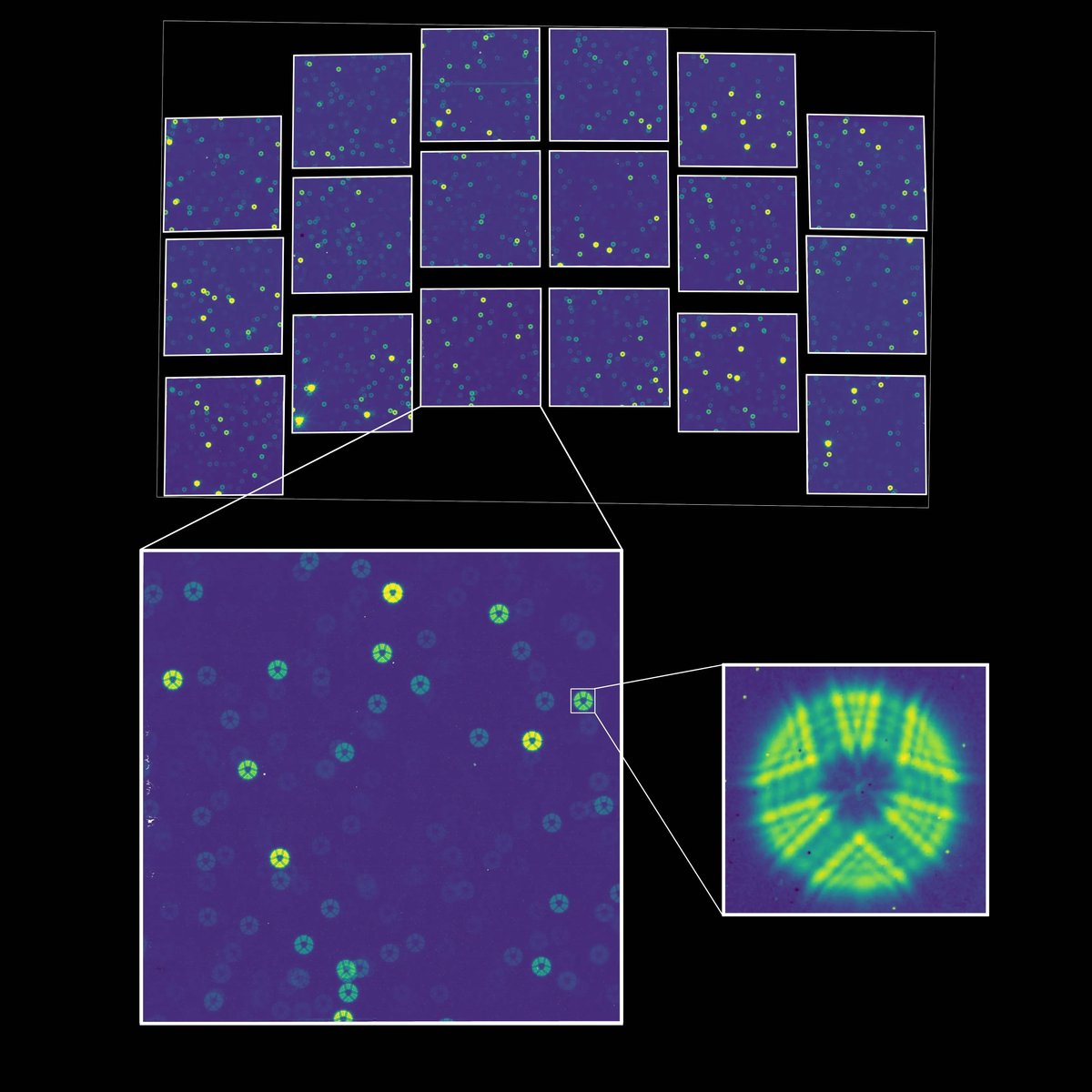
NASA's Nancy Grace Roman Space Telescope Captures First Light
The new observatory, designed to hunt for thousands of exoplanets and probe dark matter and dark energy, has recorded its first cosmic images, according to a report by Scientific American.
Physicist Says Tech Billionaires' Quest for Immortality Is 'Wasting Their Time'
Prof Jim Al-Khalili will use Royal Institution lectures to argue efforts to defy ageing misunderstand the physics of time itself

TV tonight: The Split spin-off brings glossy divorce drama to BBC One
A new series following lawyers balancing personal chaos with professional success premieres at 9pm on BBC One.

Sharon Horgan Discusses New Comedy 'Youth' Exploring Dating in the 'Sandwich Generation'
The writer and actress spoke to the BBC about her latest project, which tackles sex and relationships for people balancing care for both children and ageing parents.

UK public broadcasters face growing pressure from US streaming and digital rivals
Jobs and programme budgets at the BBC, Channel 4 and ITV are under threat as the broadcasters compete against YouTube, Netflix and other US-based platforms, according to The Guardian.
Comments
Loading comments…