Researchers Explore Eggshell-Inspired Design to Shield Spacecraft From Debris
A study reported by Ars Technica found that 3D-printed aluminum structures mimicking eggshells and filled with water showed greater resistance to high-speed impacts, offering a potential new approach to protecting spacecraft.
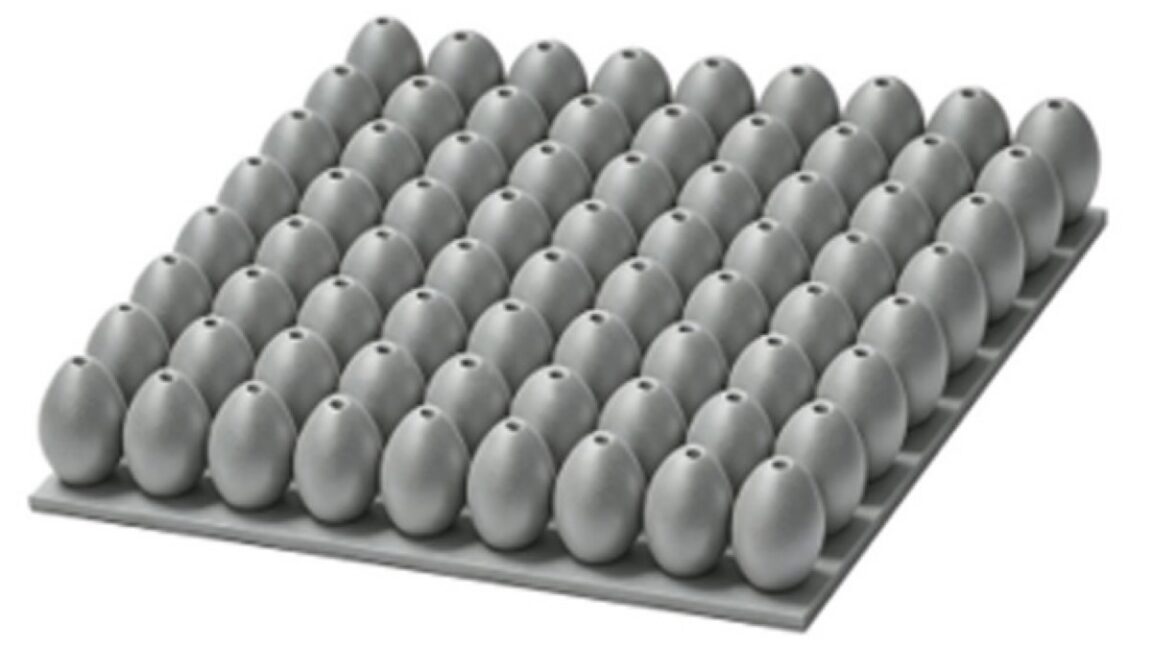
A new approach to protecting spacecraft from space debris may take inspiration from one of nature's simplest structures: the eggshell, according to a report published by Ars Technica.
The report describes research into 3D-printed aluminum arrays designed to mimic the curved, layered structure of eggshells. When these arrays were filled with water, researchers found they performed better at resisting impacts compared to other tested configurations, Ars Technica reported.
Space debris, including fragments from defunct satellites, rocket parts, and micrometeoroids, poses an ongoing threat to spacecraft and orbital infrastructure. Even small particles can strike spacecraft at extremely high velocities, making impact-resistant materials and structures a persistent area of research for engineers developing next-generation vehicles and satellites.
According to the report, the eggshell-inspired design's effectiveness stems from its ability to distribute the force of an impact, a property attributed to the natural curvature and structure of eggshells that is replicated through 3D printing techniques.
The use of water within the array is described as contributing to the material's overall impact resistance, though further details on the precise mechanisms were not specified in the available report.
Ars Technica's report suggests this line of research could inform future spacecraft shielding designs, as engineers continue to look for lightweight, effective solutions to protect vehicles operating in increasingly congested orbital environments.
Further technical details, including the specific research team, testing methodology, and publication venue for the underlying study, were not fully outlined in the available source material.
Sources
EGazette summarizes reporting from multiple sources; follow the links for the originals.
Related articles
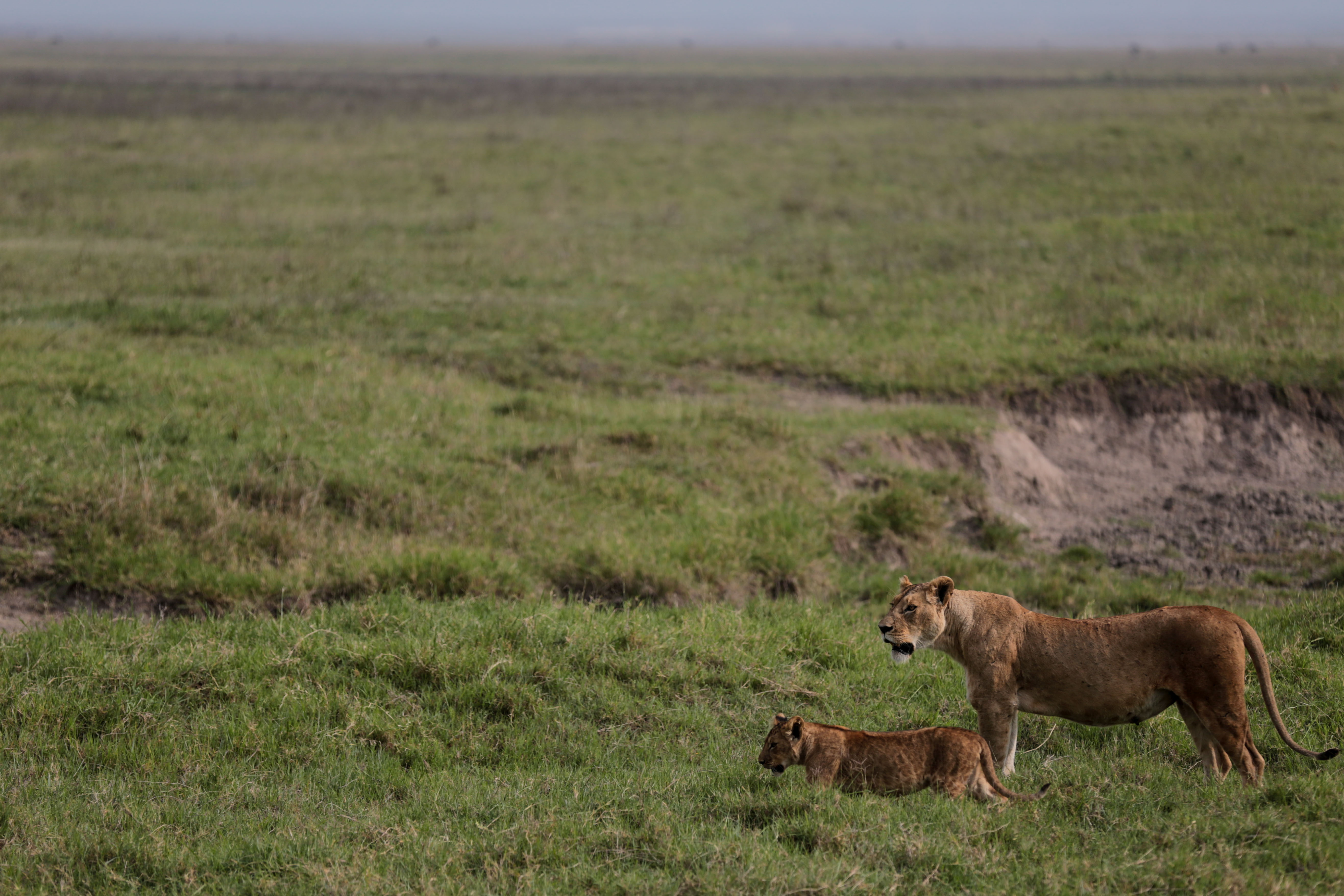
Poison suspected in deaths of ten lions at Tanzania game reserve
The lions were discovered dead in the Ngorongoro Conservation Area, prompting wildlife officials to investigate.
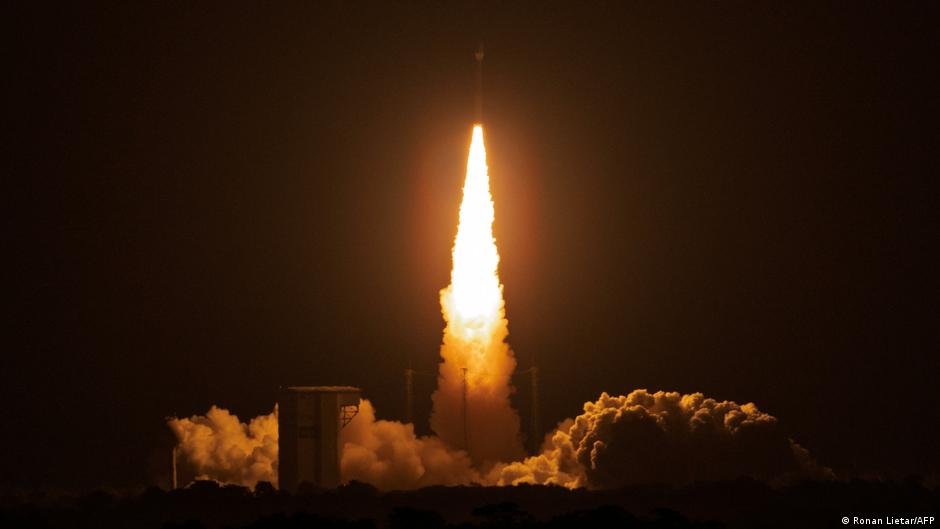
European Space Agency Launches Two Satellites to Monitor Climate Change
The new satellites will help scientists study the effects of climate change, with one instrument dedicated to observing plant life

Exceptional Discovery of Denisovan Fossils in a Southwestern Chinese Cave
Extremely rare remains of these Asian "cousins" of Neanderthals have been unearthed alongside stone tools, shedding new light on their way of life.
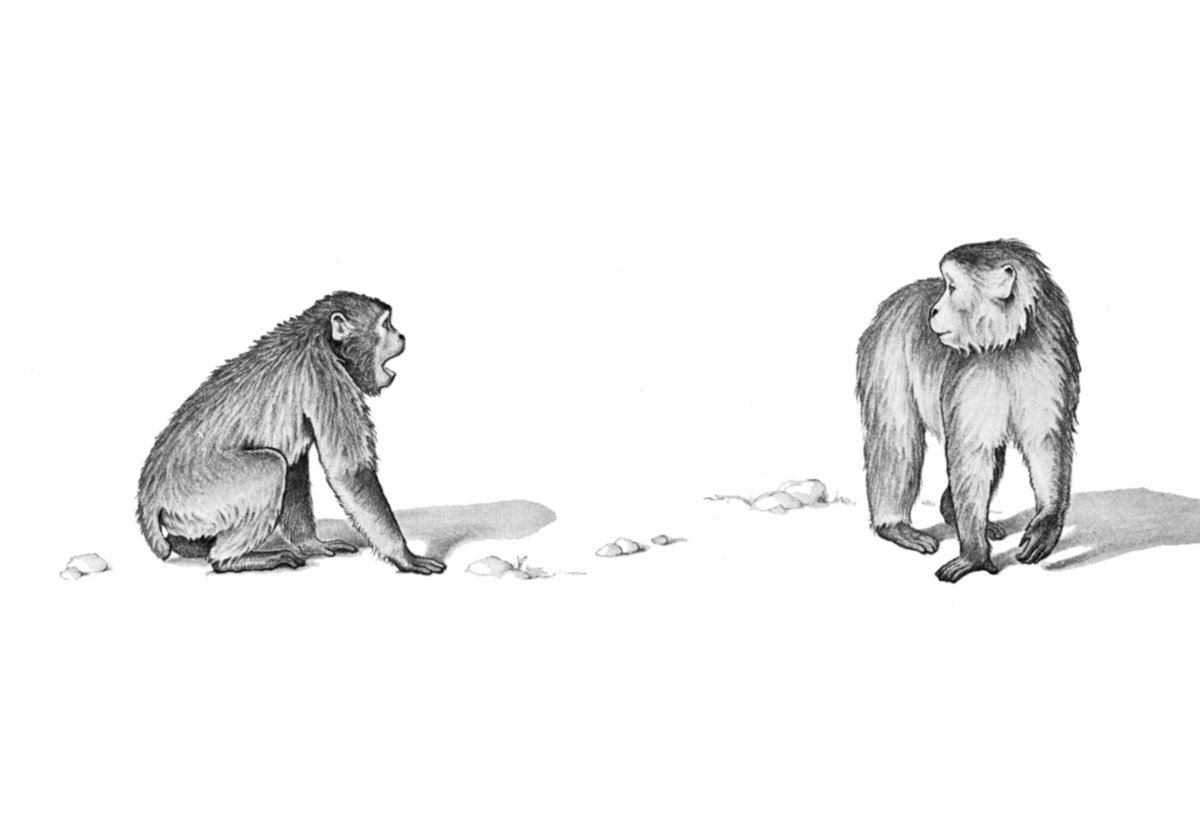
Scientific American's October Retrospective Looks Back at Smallpox, Skyscrapers and Racetrack Research
A historical column published by Scientific American revisits science and technology milestones from 50, 100 and 150 years ago, touching on smallpox eradication efforts, skyscraper excavation work and research conducted at racetracks.

NASA's Astronomy Picture of the Day Features Analemma Over Scotland's Callanish Stones
The September 20, 2026 edition of NASA's long-running APOD series highlights a composite image showing the sun's yearly path above the ancient Callanish Stones.

New Archaeological Evidence Points to Hidden Passages Behind Tutankhamun's Tomb
Archaeological study reopens the file on the lost tomb of Queen Nefertiti after detecting indicators of undiscovered chambers and passages behind the walls of the young pharaoh's tomb in the Valley of the Kings
Comments
Loading comments…