Researcher Claims Record-Breaking RSA-260 Encryption Crack
A viral social media post describes breaking part of a popular encryption protocol, raising questions about the actual methods used.

A researcher's social media post describing how to break part of a popular encryption protocol has gained widespread attention online. The post claims the breakthrough was achieved using minimal tools, though details about the actual methods and scope of the crack remain uncertain.
Scientific American examines the technical claims behind the viral post, investigating whether the described approach aligns with stated methods and what implications, if any, such a capability might have for current encryption standards.
Sources
- What’s the tech behind the record-breaking RSA-260 crack? — Scientific American
EGazette summarizes reporting from multiple sources; follow the links for the originals.
Related articles
Frontier AI models complete Alan Turing's wartime codebreaking work
Researchers say advanced systems have finished cryptographic problems Turing worked on during World War II.
Meta Opens Early Access Program for New Muse Features
Users interested in trying upcoming Muse capabilities can request early access by asking the assistant to add them to a waitlist.

US jury finds Meta liable for deceptive practices over user data claims
A New Mexico jury tallied 2.1 million consumer protection violations tied to the Cambridge Analytica privacy controversy.
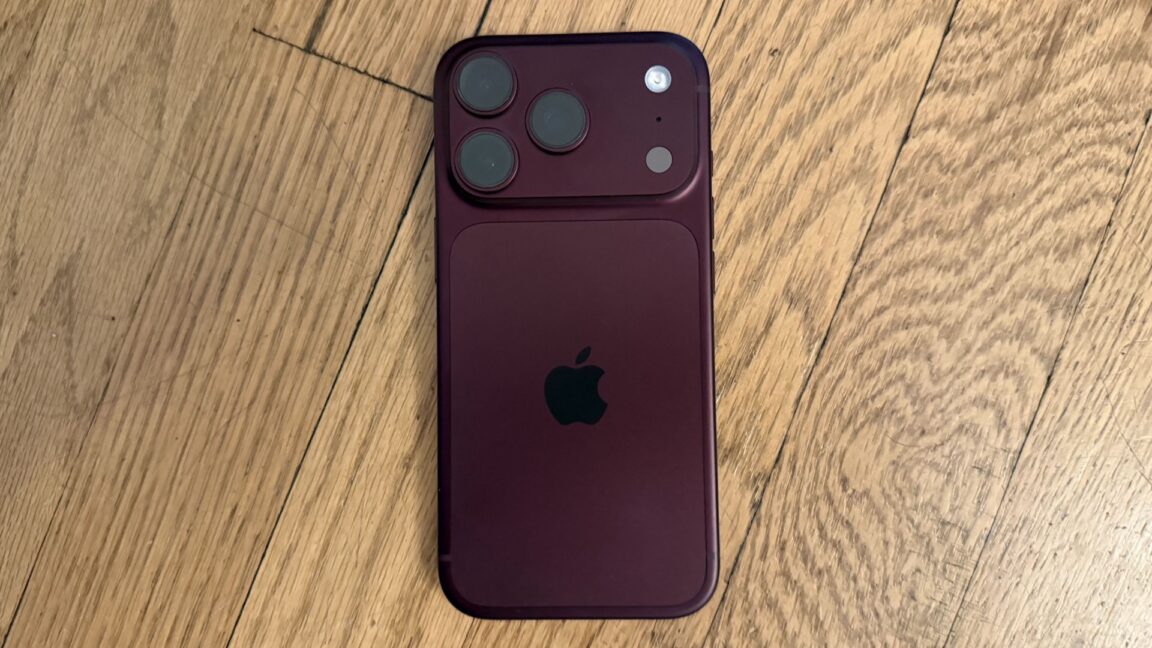
iPhone 18 Pro review: better thermals and battery life mark an iterative upgrade
Apple's latest flagship improves heat management and battery performance, though the changes are largely evolutionary rather than dramatic.
How recent graduates and college students should think about AI, their résumé and the job market
Rising use of AI in hiring is making it harder for young job seekers to stand out, prompting new advice on navigating the market.
AI was expected to hit new graduates hard. So far, unemployment data says otherwise
Researchers say there is no evidence yet of significant, widespread displacement or reduced hiring linked to AI among recent graduates.
Comments
Loading comments…