Report: Russia’s ‘Max’ super-app doubles as surveillance tool, researchers say
New research described by the Guardian says a state-backed messaging and payments app installed on tens of millions of Russian phones functions as a “backdoor” for monitoring citizens.

Over the past 18 months, tens of millions of people in Russia have been required to install a new app on their phones, according to research reported by the Guardian. The app, called Max, is represented by a violet-blue button and combines messaging with payment functions.
Russian authorities have promoted Max as a patriotic domestic alternative to Western platforms such as Telegram and WhatsApp, the report said. Celebrities have featured the app in rap videos and comic routines as part of a wider promotional push, according to the Guardian.
The push appears to have succeeded in driving adoption: the Guardian reported that Max became the country’s most-used messaging app this summer.
However, the research cited by the Guardian found that the app amounts to a “backdoor” on users’ devices, allowing the platform to be used as a tool for state surveillance of citizens. The report did not specify the identity of the researchers or the methodology used to reach this conclusion, based on the available excerpt.
The Guardian’s report does not detail how many people have been affected by any surveillance capabilities, nor does it specify how the “forced” installation of the app has been enforced across the population.
This article is based on an initial report by the Guardian; further details on the research methodology and official responses from Russian authorities were not available in the source material reviewed.
Sources
- Revealed: how Russia uses mobile ‘super-app’ Max to spy on its citizens — The Guardian — World
EGazette summarizes reporting from multiple sources; follow the links for the originals.
Related articles

Two civilians killed in Ukrainian army attacks on DPR, Russian military says
Russia's defense ministry reports 31 attacks by Ukrainian forces on the Donetsk People's Republic in the past 24 hours.
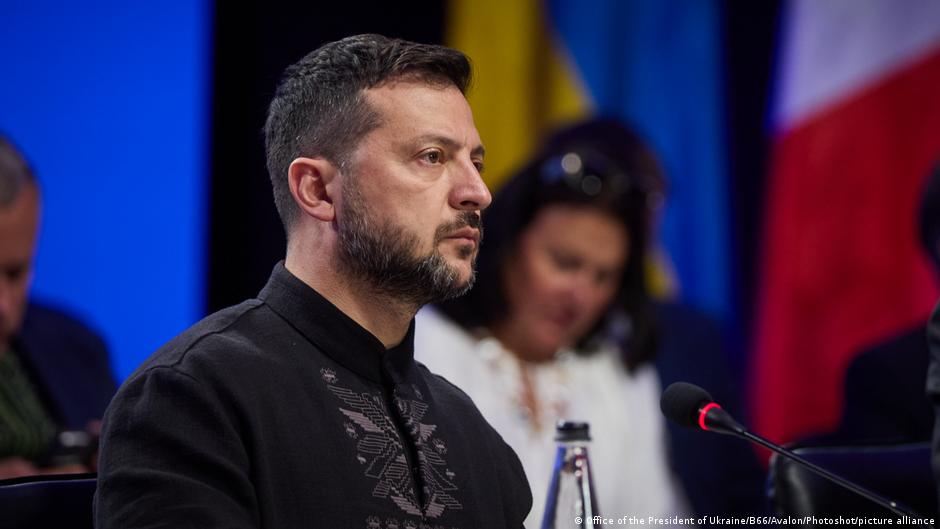
Ukraine, Russia and US Said to Prepare New Round of Mediated Talks
Officials in Kyiv and Moscow indicate trilateral discussions could resume in October, though expectations for a breakthrough remain low.
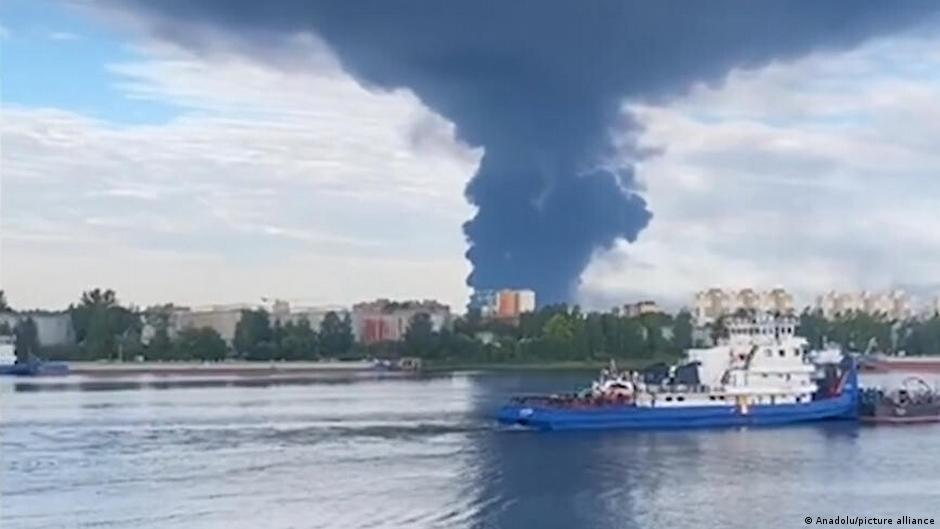
Trump Claims Russia and Ukraine Agreed to Halt Energy Attacks
Trump said both nations have agreed to stop striking energy infrastructure, though Russia and Ukraine offered no immediate confirmation.
Putin Congratulates South Ossetian President on Republic Day, Pledges Continued Support
Russian president says Moscow will continue assisting South Ossetia's authorities and people on key challenges, according to TASS
Russian forces strike warehouse in Kyiv region, claims TASS
Russia says it hit a warehouse storing drone components in overnight strikes on Ukrainian logistics facilities.
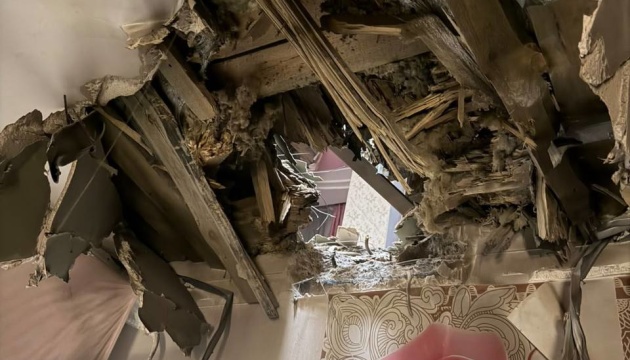
Death toll from Russian attacks on Kyiv region rises to four, including three children
A child died in hospital, bringing casualties from ongoing Russian strikes on the Kyiv region to four over the past day.
Comments
Loading comments…