Report Highlights How Randomness Deepens Classic Game-Theory Strategies
According to a report from Ars Technica, introducing random rewards into simple strategic games produces more complex and nuanced player strategies than standard game theory models predict.

A report published by Ars Technica examines how the introduction of randomness, or "noise," into classic game-theory contests can significantly enrich the strategic options available to players.
According to the report, simple games that have long been studied in game theory — the mathematical framework used to analyze strategic decision-making — take on more complex dynamics when rewards are distributed randomly rather than through fixed, predictable payoffs.
The report states that this added unpredictability forces players to adapt more sophisticated strategies than those typically derived from traditional, noise-free versions of the same games.
Ars Technica frames the findings as an extension of long-standing game-theory research, suggesting that randomness is not merely a complicating factor but can generate new layers of strategic depth in situations that were previously considered well understood.
The report does not specify additional details about the methodology or the researchers involved, and further specifics were not available in the source material reviewed for this summary.
Sources
- Random rewards enrich classic game-theory insights — Ars Technica
EGazette summarizes reporting from multiple sources; follow the links for the originals.
Related articles

OpenAI's Claimed Proof on Navier-Stokes Problem Sparks Debate Over Real-World Impact
Scientific American reports that while OpenAI's claimed proof addressing the Navier-Stokes problem is being called a mathematical achievement, practical applications remain uncertain and potentially distant.

Scientific American Explores What Science Reveals About Canine Perception
A new feature examines ongoing research into how dogs process the world around them, including their relationships with humans.

Poison suspected in deaths of ten lions at Tanzania game reserve
The lions were discovered dead in the Ngorongoro Conservation Area, prompting wildlife officials to investigate.

European Space Agency Launches Two Satellites to Monitor Climate Change
The new satellites will help scientists study the effects of climate change, with one instrument dedicated to observing plant life

Exceptional Discovery of Denisovan Fossils in a Southwestern Chinese Cave
Extremely rare remains of these Asian "cousins" of Neanderthals have been unearthed alongside stone tools, shedding new light on their way of life.
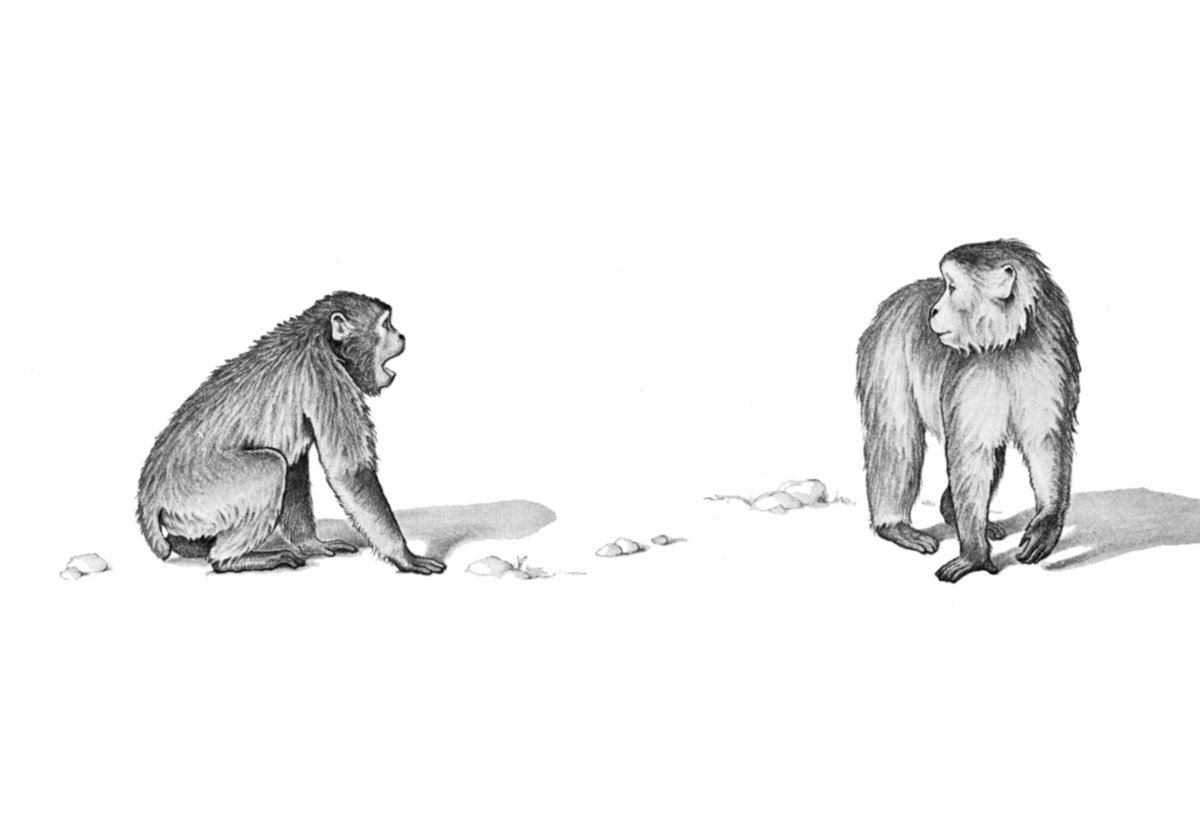
Scientific American's October Retrospective Looks Back at Smallpox, Skyscrapers and Racetrack Research
A historical column published by Scientific American revisits science and technology milestones from 50, 100 and 150 years ago, touching on smallpox eradication efforts, skyscraper excavation work and research conducted at racetracks.
Comments
Loading comments…