Report Finds 21 Million U.S. Women Live in Counties With Limited Birth Control Access
An analysis cited by NPR News found millions of women of reproductive age reside in areas with few or no birth control providers, and officials say a lag in data collection may mean the true number is higher.

An estimated 21 million women in the United States live in counties with limited access to birth control, according to a report published by NPR News.
The report cited an analysis showing that these counties have few or no providers offering a full range of contraceptive methods, leaving many women with restricted options for family planning services.
NPR News noted that the figures may not fully reflect current conditions, as the underlying data used in such analyses is typically collected with a delay. Because of this lag, the outlet reported, the real scope of limited birth control access today could be worse than the reported 21 million figure suggests.
The report did not specify the exact source or year of the underlying data, nor did it provide a breakdown of which counties or regions were most affected. NPR News has been contacted for additional details on the methodology behind the figures.
Access to contraception in the U.S. has been the subject of ongoing public discussion, with advocates and policymakers on different sides of the issue citing varying data on provider availability, insurance coverage, and geographic barriers to care.
Sources
EGazette summarizes reporting from multiple sources; follow the links for the originals.
Related articles
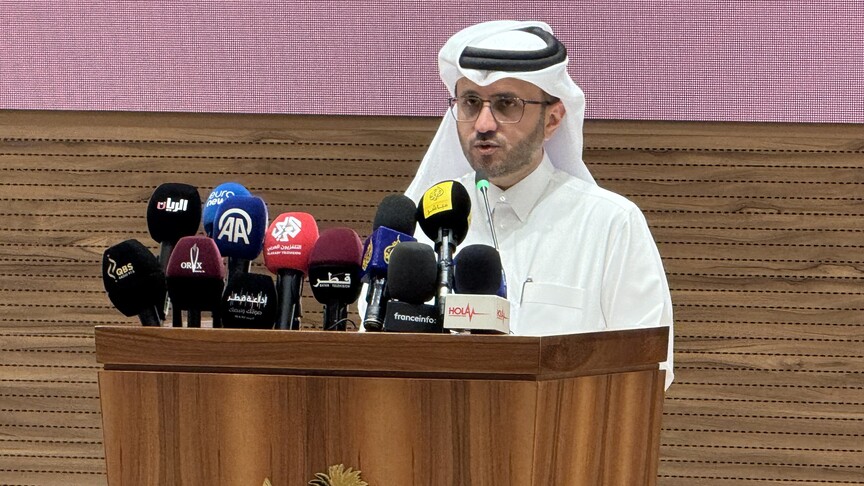
Qatar Says It Is Mediating to Revive US-Iran Talks
Qatari officials say mediators are shuttling between capitals in an effort to restart stalled negotiations between Washington and Tehran
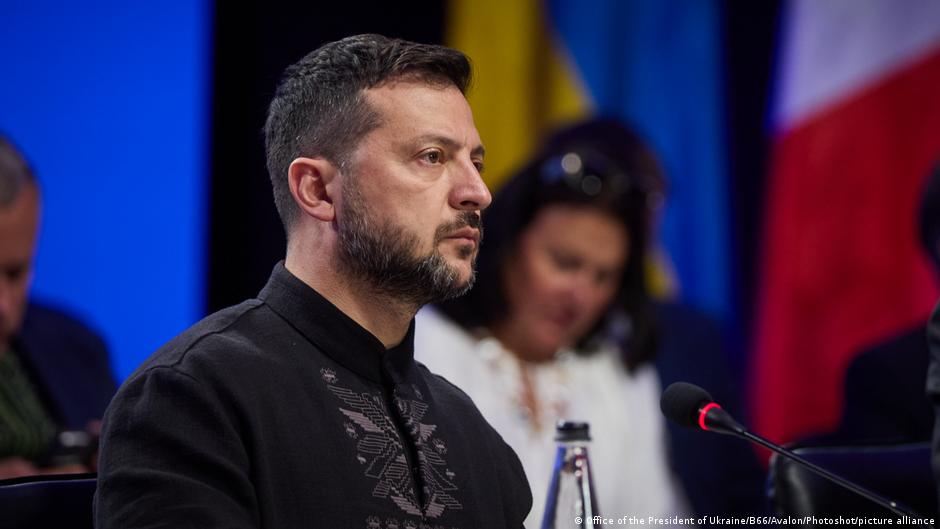
Ukraine, Russia and US Said to Prepare New Round of Mediated Talks
Officials in Kyiv and Moscow indicate trilateral discussions could resume in October, though expectations for a breakthrough remain low.

Iran Says Strait of Hormuz Will Stay Closed Until US Meets Its Conditions
Parliament speaker says Tehran has relayed its demands to Washington through intermediaries and will not reopen the strategic waterway until they are satisfied
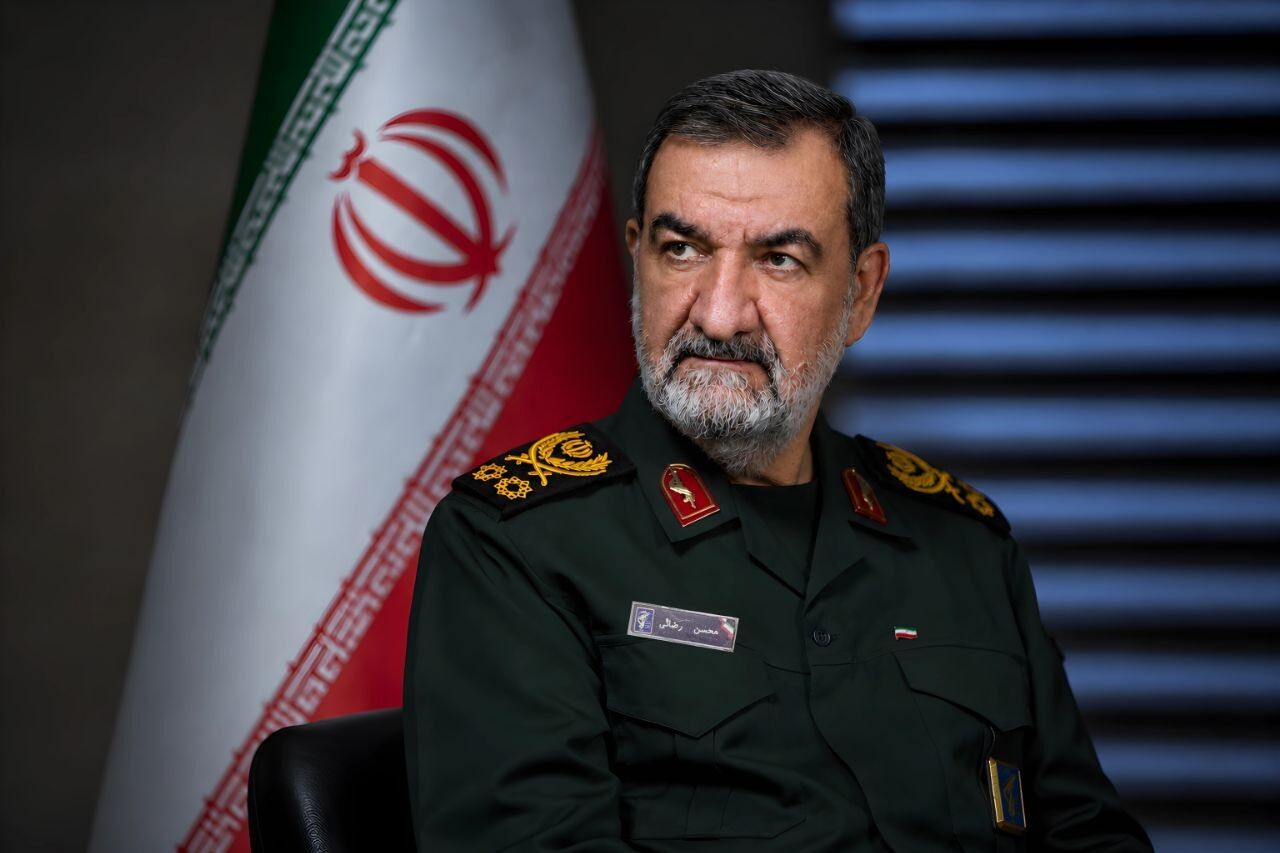
Iran Security Official Says Country Ready to Respond If US Resumes Military Action
Mohsen Rezaei, secretary of Iran's Supreme National Security Council, said Tehran is prepared to defend itself and respond forcefully to any renewed US military aggression, according to IRNA.
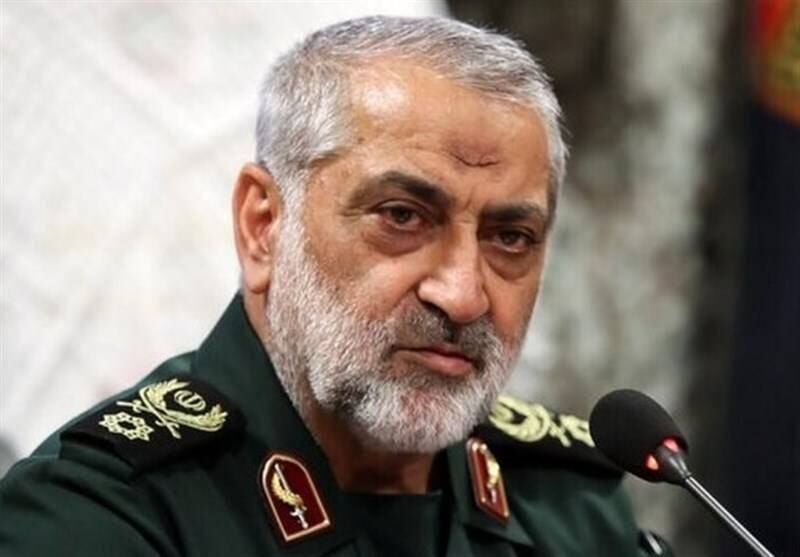
Iranian General Says Tehran Retains "Initiative" in Strait of Hormuz, Rejecting US Claims
Armed Forces spokesperson Brigadier General Abolfazl Shekarchi dismissed recent American statements about the strategic waterway, according to Iran's IRNA news agency.
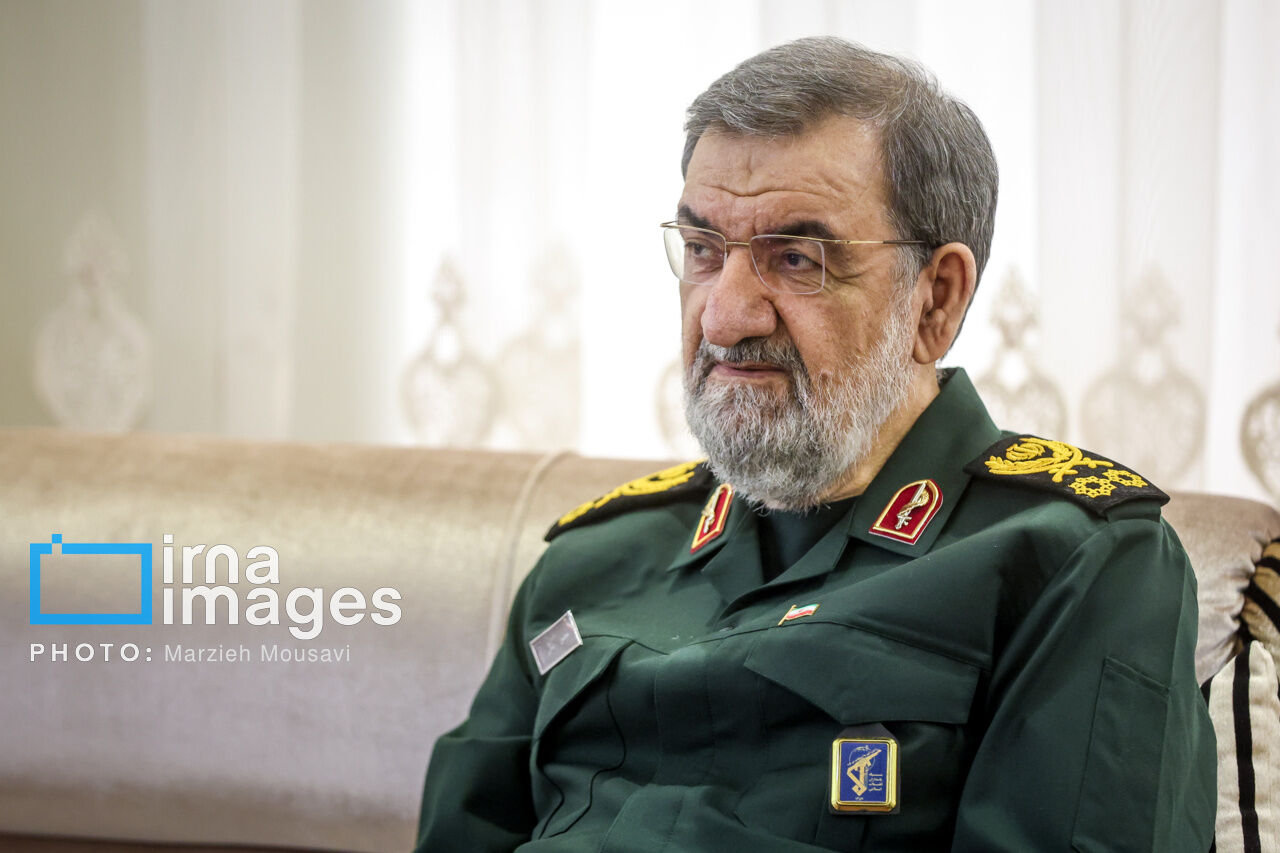
Iranian Security Official Says Tehran Has Set Seven Conditions for Talks With US
Major General Mohsen Rezaei, secretary of Iran's Supreme National Security Council, said in a message that Tehran has laid out seven conditions to Washington for resuming negotiations, according to Iranian state media.
Comments
Loading comments…