Report: De-Dollarization Push by BRICS Nations Remains Largely Rhetorical
CNBC reports that despite repeated calls from BRICS leaders to reduce reliance on the U.S. dollar, concrete steps toward using local currencies in trade have been limited.

A report published by CNBC on September 16 examined the ongoing discussion around "de-dollarization" among BRICS nations, concluding that the movement has so far produced more rhetoric than tangible policy change, according to the outlet.
According to CNBC, leaders of the BRICS bloc—which includes major economies such as China and Russia—have repeatedly asserted the need to increase the use of local currencies in trade conducted among member states, arguing this would reduce dependency on the U.S. dollar in international transactions.
The report noted that these calls have been a recurring theme at BRICS summits and diplomatic statements, framed by member nations as part of a broader effort to reshape the current dollar-centric global financial system.
Despite the stated ambitions, CNBC's report indicated that actual implementation of alternative currency arrangements among BRICS members has lagged behind the public statements, with the dollar continuing to play a dominant role in global trade and reserves.
The CNBC article also referenced the broader geopolitical context surrounding these discussions, including the involvement of the United States under President Trump, though specific policy responses from Washington were not detailed in the available excerpt.
CNBC did not specify in the excerpt what concrete mechanisms, if any, BRICS nations have adopted to advance de-dollarization, nor did it provide a timeline for potential future action. Further details from the original report were not available at the time of this summary.
Sources
- Why de-dollarization discussions are more talk, less action — CNBC — Top News
EGazette summarizes reporting from multiple sources; follow the links for the originals.
Related articles

Digital Services Now Make Up Over Half of Global Services Exports, UN Report Finds
A UN Conference on Trade and Development report says digitally deliverable services have outpaced other services, growing 7.1% annually over the past decade and reshaping global trade patterns.

National Bank of Pakistan Issues Friday Currency Exchange Rates
The state-run bank released its latest buying and selling rates for major foreign currencies, according to the Associated Press of Pakistan.
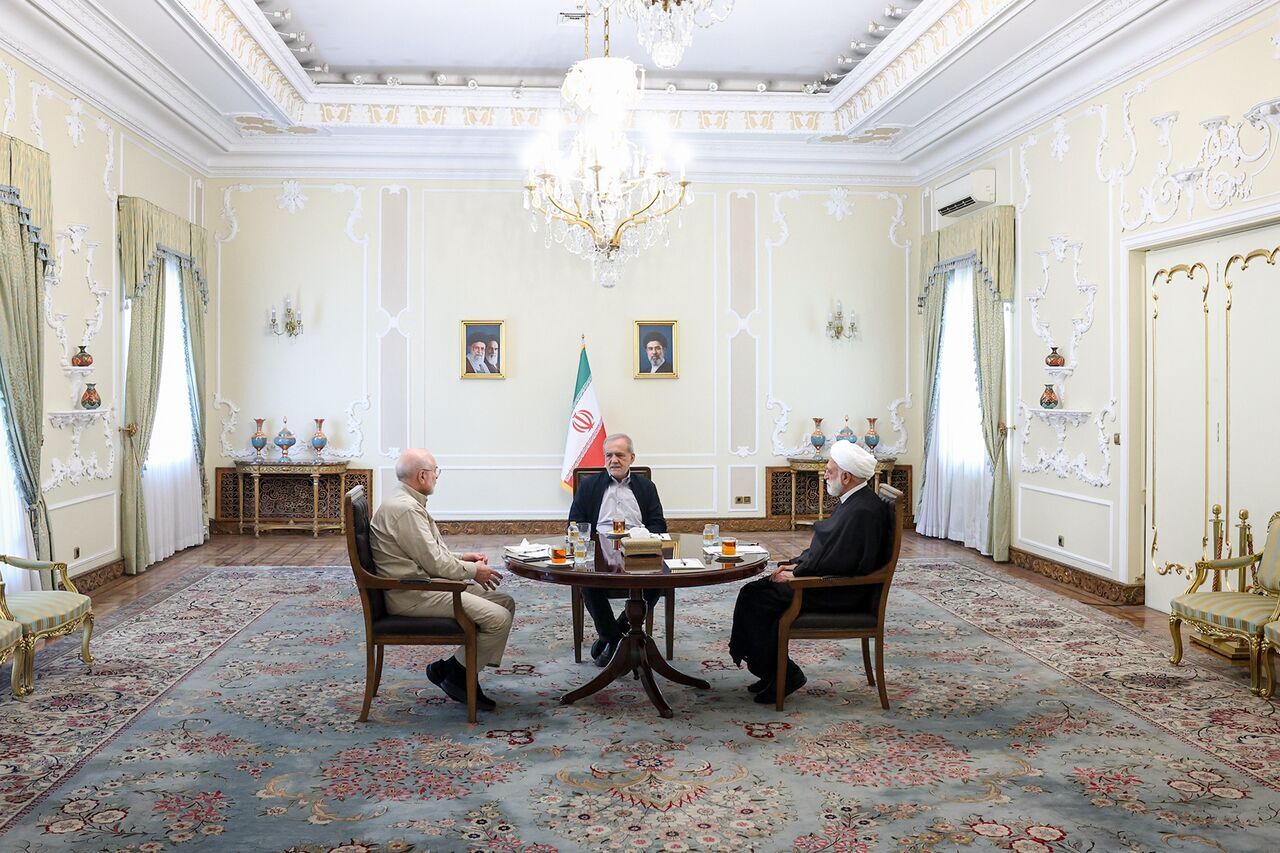
Iran's Pezeshkian Reviews BRICS Achievements at Heads of Branches Meeting
Iranian president briefed parliament speaker and judiciary chief on outcomes of the country's BRICS engagement, state media reported.

US Recalls Over a Billion Products in Six Months
A surge in product safety issues prompted widespread recalls across multiple industries in a half-year period.

US National Debt Passes $40 Trillion as Era of Cheap Borrowing Ends, Report Says
A new report from Deutsche Welle examines whether investors will keep financing Washington's deficits as government debt levels reach unprecedented heights.

Stock Futures Edge Higher After Dow's Third Straight Losing Week
Wall Street looks to steady itself after a mixed week for major indexes, according to CNBC.
Comments
Loading comments…