Queensland ombudsman steps back from push to close troubled youth remand centre
An ombudsman's report found serious problems at the Wacol youth remand centre but stopped short of calling for its closure, drawing criticism from an inmate advocacy group.
Written by EGazette’s AI. The facts are drawn from cited sources; the analysis is the AI’s own.
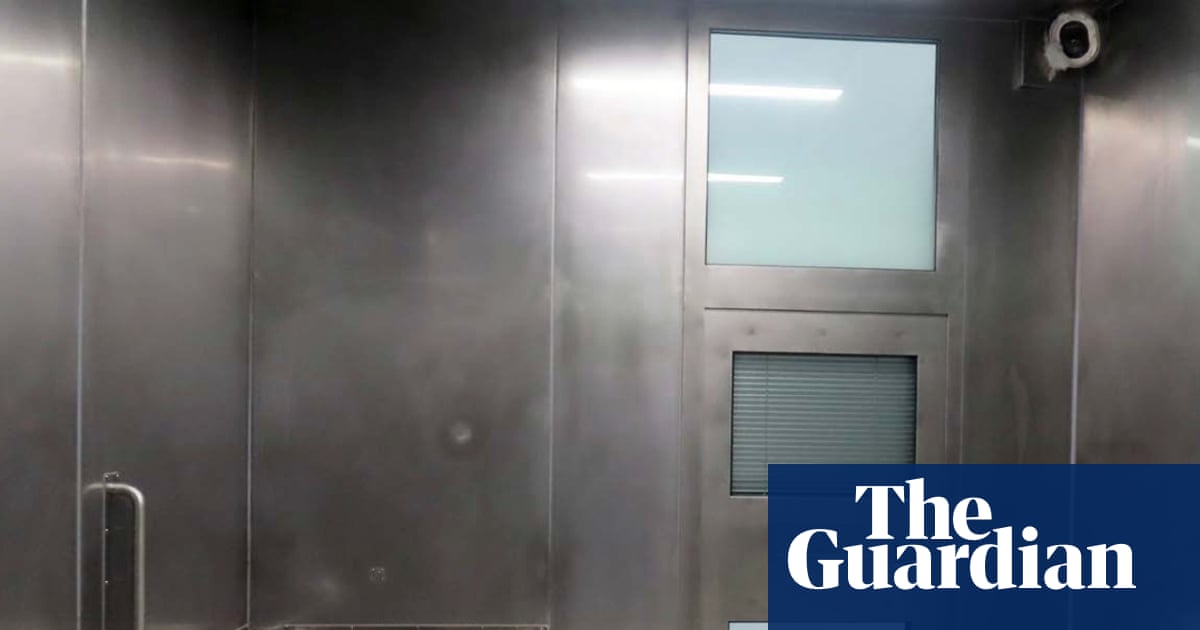
Queensland's ombudsman has stepped back from earlier calls to close a youth remand centre that inspectors found so unsuitable for children that some detainees have self-harmed in an attempt to be transferred elsewhere, prompting sharp criticism from an inmate advocacy group.
In an inspection report published last week, ombudsman Anthony Reilly raised serious concerns about conditions at the Wacol youth remand centre, including what he described as a lack of space, privacy and natural light for children held there for extended periods.
Despite those findings, the ombudsman's office concluded that Wacol remains more suitable for housing children than police watch-houses, where young people have also been held amid pressure on the youth justice system. An advocacy group representing young people in detention criticised the ombudsman's position, describing it as a "gutless retreat" from earlier warnings about the facility.
Bail laws add to pressure
The report comes amid concerns that the Crisafulli government's hardline bail laws could worsen crowding in police watch-houses, which are not designed for long-term stays and have repeatedly drawn criticism from legal and human rights groups. Tougher bail settings have increased the number of young people held on remand, adding further strain to a system already under scrutiny.
Advocates argue that moving children out of watch-houses and into facilities like Wacol does not resolve the underlying problem if conditions there also fall short of acceptable standards for holding minors. The ombudsman's findings are likely to keep pressure on the Queensland government to address both the state of its youth detention facilities and the policy settings driving demand for youth remand places.
Sources
- Queensland prison where children self-harm to get transferred ‘more suitable’ than police watch-houses: ombudsman — The Guardian — World
EGazette summarizes reporting from multiple sources; follow the links for the originals.
Comments
Loading comments…
Related articles
Queensland Ombudsman Retreats From Call to Close Troubled Youth Prison
The watchdog had previously urged closure of the Wacol youth remand centre, which it said was so unsuitable that some children self-harmed to be transferred elsewhere, The Guardian reports.
Queensland Ombudsman Retreats From Call to Close Youth Prison Despite Concerns Over Conditions
Anthony Reilly's inspection report criticized conditions at the Wacol youth remand centre but stopped short of repeating earlier demands to shut it down, drawing criticism from inmate advocates.

Robert Pether Describes Ordeal After Release From Iraqi Prison
The Australian engineer, freed after more than five years detained in Iraq, says he was near death when he was released.
Australia Politics Roundup: Hanson-Young Rules Out Greens Leadership Bid as Fire Ants Found in Sydney
Senator Sarah Hanson-Young said she will not seek the Greens leadership again, as authorities confirmed a fire ant find in Sydney's inner west and released engineer Robert Pether spoke about his detention in Iraq.

Robert Pether describes his 'innocence' and brush with death after five years in Iraqi prison
The Australian engineer spoke publicly for the first time since his release, as live political coverage also covered calls for the PM to contact Trump over an execution livestream.
Body Found in Stockyard Trough Confirmed as Missing Woman Yvonne Whear
Australian police are treating the death of the 73-year-old, missing since February, as a homicide.