Poll Identifies Five 'Progressive Majority' Voter Groups Shaping Labour's Prospects
New research finds Labour would stay the largest party in an election held now, but its path to a majority depends on diverse progressive voters, from idealists to sceptics.
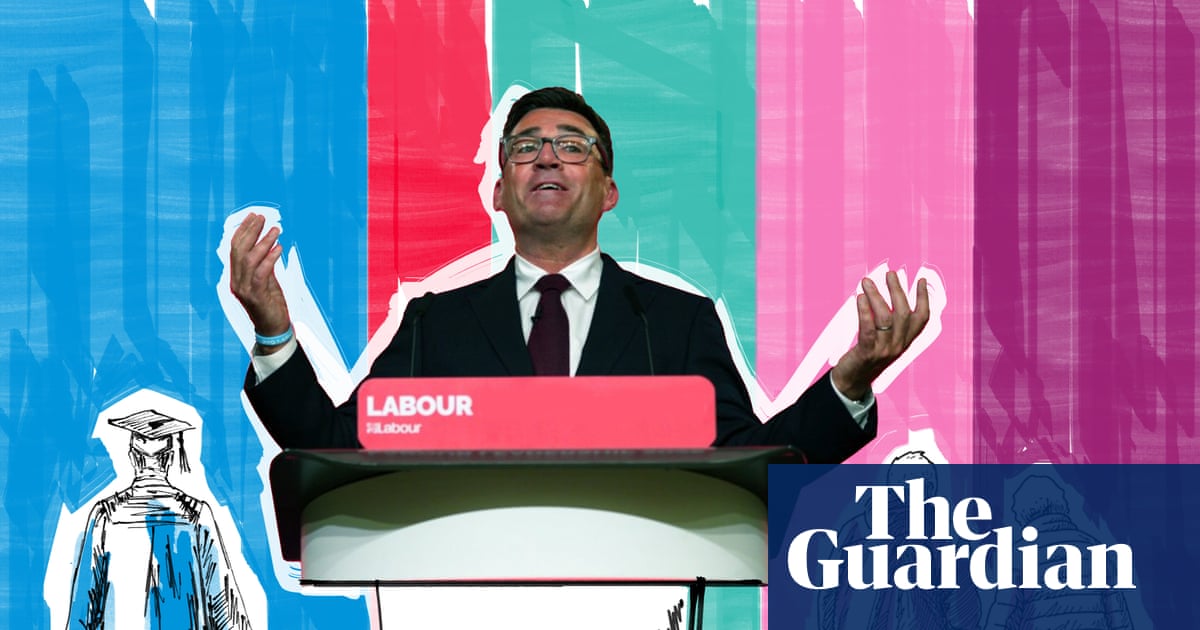
A new poll suggests that if a general election were held now, the Labour Party would remain the largest party in the UK Parliament but would fall well short of an overall majority, as Reform UK surges into second place, according to analysis published by The Guardian.
The MRP (multilevel regression and post-stratification) poll was conducted by Survation in partnership with the campaign group 38 Degrees.
Behind the headline figures, the research identifies five distinct voter groups collectively described as a "progressive majority" in British politics. According to the analysis, these groups — ranging from committed idealists to more disillusioned sceptics — share common concerns about the cost of living and the state of the National Health Service (NHS).
However, the five groups diverge sharply on other issues, including immigration policy, environmental priorities, trust in political institutions and how quickly they want to see change enacted on the UK's most pressing policy questions, the research found.
The analysis also examines how far each of the five groups has drifted away from Labour, with some voters shifting toward the Green Party and others moving toward Reform UK, led by Nigel Farage.
The findings come as political parties look ahead to the next general election, with the composition and loyalty of this "progressive majority" bloc seen as a key factor in whether Labour can secure a governing majority.
Sources
- From idealists to struggling sceptics: how Labour’s majority depends on five progressive voter types – in charts — The Guardian — Politics
EGazette summarizes reporting from multiple sources; follow the links for the originals.
Related articles

Poll: Tactical Voting Could Push Reform UK Into Fourth Place
A major survey finds widespread tactical voting could put Labour within reach of a majority, with Andy Burnham helping draw progressive voters back to the party.
Tony Blair Says Britain Should Work Toward Rejoining EU Within a Decade
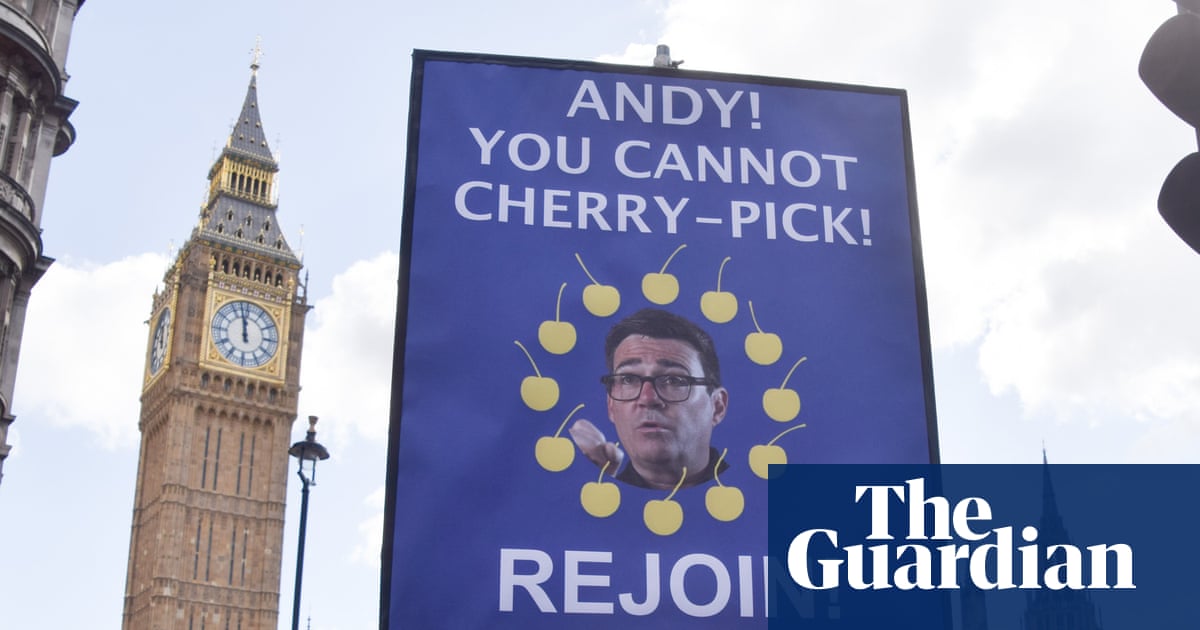
The former prime minister's comments add to pressure on Labour leader Andy Burnham to revisit Brexit, as a new poll suggests a pledge to rejoin could boost the party electorally.
Morocco Preliminary Election Results: Authenticity and Modernity Party Takes Early Lead
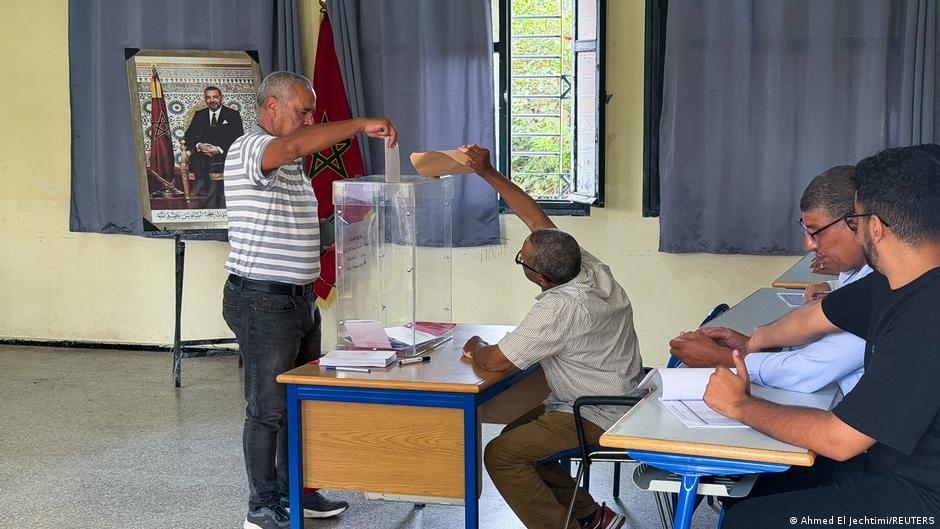
Early results from Morocco's legislative election show the Authenticity and Modernity Party surging to the front, while the National Rally of Independents and the Istiqlal Party lose ground, and the Justice and Development Party stages a strong comeback.

Russia's ruling party wins most overseas votes in Duma election, TASS reports
As many as 333 polling stations opened in 152 countries for Russian citizens living abroad during the recent State Duma election, according to TASS.

UK Orders Border Review After Two Migrant Boats Evade Interception in Kent
Home Secretary Shabana Mahmood called the lapses "not acceptable" after consecutive undetected landings on the English coast.
Monarchy-aligned PAM leads in Morocco election provisional results
The Authenticity and Modernity Party took 97 of 395 seats in parliament as voter turnout fell to 38 percent, according to Al Jazeera.
Comments
Loading comments…