Pizza Puzzle Illustrates How Math Patterns Can Mislead, Scientific American Reports
An article in Scientific American uses pizza slicing to explain Moser's circle problem, showing how a seemingly obvious numerical pattern breaks down.
Scientific American has published an article explaining how a classic mathematical puzzle known as Moser's circle problem can be illustrated using a pizza, demonstrating how number sequences that appear predictable can suddenly diverge from expectations.
According to the publication, the puzzle involves placing points around the edge of a circle and connecting every point to every other point with straight lines, then counting how many regions the circle is divided into. Scientific American describes how this concept translates neatly into slicing a pizza, producing pieces that follow a pattern most people would intuitively predict—at first.
The article states that with one point on the circle's edge, there is only one region. Adding a second point and connecting the two creates two regions. A third point, connected to the others, produces four regions. A fourth point yields eight regions, and continuing this pattern, a fifth point results in 16 regions, according to the publication.
Based on this progression, Scientific American notes that many would expect the pattern to double again, with a sixth point producing 32 regions. However, the article reports that adding a sixth point actually results in only 31 regions—breaking the doubling pattern that had held for the previous several steps.
Scientific American explains that this discrepancy occurs because the simple doubling sequence does not account for the complexity of intersections created as more points and connecting lines are added inside the circle. The publication describes Moser's circle problem as a well-known example in mathematics of how a pattern that appears consistent across several early terms can fail to hold as more elements are introduced.
The article uses the pizza-slicing analogy to make the concept accessible, framing the mathematical exercise as a way to divide a pizza into one, two, four, eight, 16 or 31 slices depending on how many points and connecting cuts are made around the circular pie.
According to Scientific American, the puzzle serves as a broader lesson about mathematical reasoning: sequences of numbers that look predictable based on a handful of examples are not always reliable indicators of what comes next, and careful calculation—rather than assumption—is required to determine the true pattern.
ذرائع
- How pizza can solve this unusual math puzzle — Scientific American
EGazette کئی ذرائع سے خبروں کا خلاصہ کرتا ہے؛ اصل کے لیے لنکس دیکھیں۔
متعلقہ مضامین

سائنٹفک امریکن کی ریچل فیلٹمین وکس کے 'ان ایکسپلین ایبل' پوڈ کاسٹ میں شامل ہوئیں
ایک پوڈ کاسٹ کراس اوور ایپی سوڈ میں فیلٹمین اور ان ایکسپلین ایبل ٹیم سائنس کے حل نہ ہونے والے سوالات پر غور کرتے ہیں، سائنٹفک امریکن کے مطابق

برطانوی ریاضی دان نے پارتھینون کے خمدار ڈیزائن کے بارے میں طویل عرصے سے چلی آنے والی نظریے کو چیلنج کیا
ایک نیے مطالعے نے اس صدیوں پرانے عقیدے کو سوال میں ڈالا ہے کہ یونانی قدیم مندر کے لطیف منحنی خطوط نظریاتی غلط فہمی کو درست کرنے کے لیے بنائے گئے تھے۔

توت عنخ آمون کے مقبرے کے پیچھے خفی ممرات کی نشاندہی کرنے والے نئے آثار
ایک آثار پر مبنی تحقیق نے ملکہ نفرتیتی کے گمشدہ مقبرے کی تحقیق دوبارہ شروع کی ہے، کیونکہ وادی الملوک میں نوجوان فرعون کے مقبرے کی دیواروں کے پیچھے کمروں اور ممرات کی موجودگی کی علامات سامنے آئی ہیں

چھوٹے آسمانی جسم چاریکلو کے گردوں میں دس سال میں تبدیلیاں دیکھی گئیں، رپورٹ کہتی ہے
شمسی نظام کے بیرونی حصے میں واقع تقریباً 250 کلومیٹر چوڑے چاریکلو کے مشاہدات سے ظاہر ہوتا ہے کہ اس کے دونوں حلقے گزشتہ دس سالوں میں منتقل ہو گئے ہیں، آرس ٹیکنیکا کی رپورٹ کے مطابق۔

ڈنمارک نے CO2 کے اخراج کو کم کرنے کے لیے کاربن کا "قبرستان" کا افتتاح کیا
کوپن ہیگن زیر زمین کاربن ڈائی آکسائیڈ کو محفوظ رکھنے کی تکنیک پر انحصار کر رہا ہے، جو ایک مہنگی اور متنازع ٹیکنالوجی ہے جسے بھاری صنعتوں کو سبز بنانے کا اہم ذریعہ قرار دیا جا رہا ہے۔
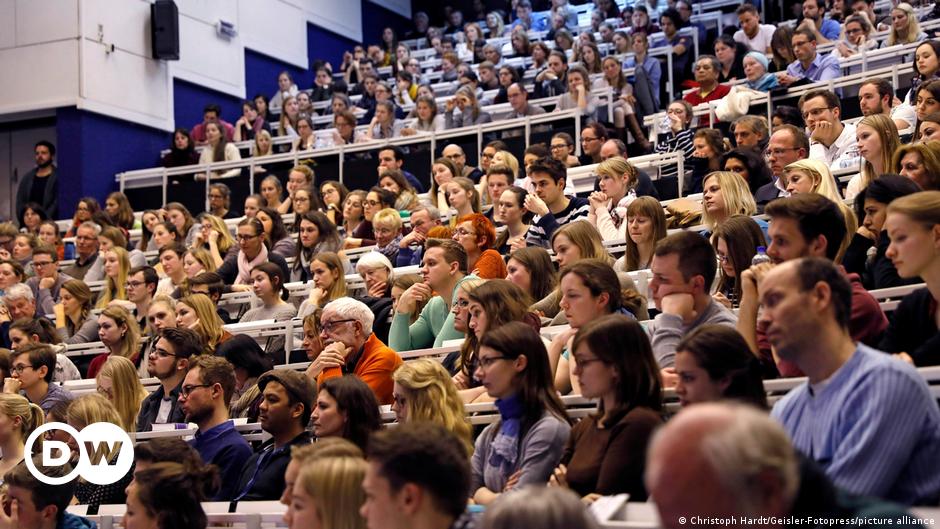
سروے: اکثر غیرملکی طلبا جرمنی میں تعلیم سے مطمئن ہیں اگرچہ یونیورسٹی کے باہر امتیازی سلوک کا سامنا ہے
ایک سروے سے ظاہر ہوا ہے کہ جرمنی میں تعلیم کے لیے آنے والے زیادہ تر غیرملکی طلبا اپنے اس انتخاب سے خوش ہیں، جبکہ ان میں سے بہت سے نے خاص طور پر یونیورسٹی کے احاطے سے باہر امتیازی سلوک کا سامنا کرنے کی اطلاع دی ہے۔
Comments
Loading comments…