Physicists Probe What Lies Beneath the Universe's Smallest Known Particles
A Scientific American report examines ongoing efforts by physicists to determine whether particles considered fundamental, such as quarks and electrons, are themselves made of smaller components.

A recent article published by Scientific American explores the question of what constitutes the smallest building blocks of the universe, according to the publication.
The article, titled "What are the smallest pieces of the universe?", states that physicists are actively searching for structures that may exist beneath the particles currently recognized as fundamental, such as quarks and electrons, Scientific American reported.
According to the outlet, the Standard Model of particle physics currently identifies a set of particles considered to be elementary, meaning they are not thought to be composed of smaller parts. However, the article notes that researchers continue to investigate whether these particles might have an underlying substructure that has not yet been detected.
Scientific American did not specify in the excerpt reviewed which experimental methods or theoretical frameworks are being used in this search, nor did it name specific researchers or institutions involved in the effort.
The publication's report frames the inquiry as part of a broader, ongoing effort within the physics community to understand the most basic constituents of matter and the universe.
Further details on the specific findings, experiments, or theoretical models discussed in the full article were not available in the source material reviewed for this report.
Sources
- What are the smallest pieces of the universe? — Scientific American
EGazette summarizes reporting from multiple sources; follow the links for the originals.
Comments
Loading comments…
Related articles
Astronomy Picture of the Day Highlights 'Cosmic Latte,' the Average Color of the Universe
NASA's September 28 feature showcases the pale beige-white hue astronomers calculated as the universe's overall average color.
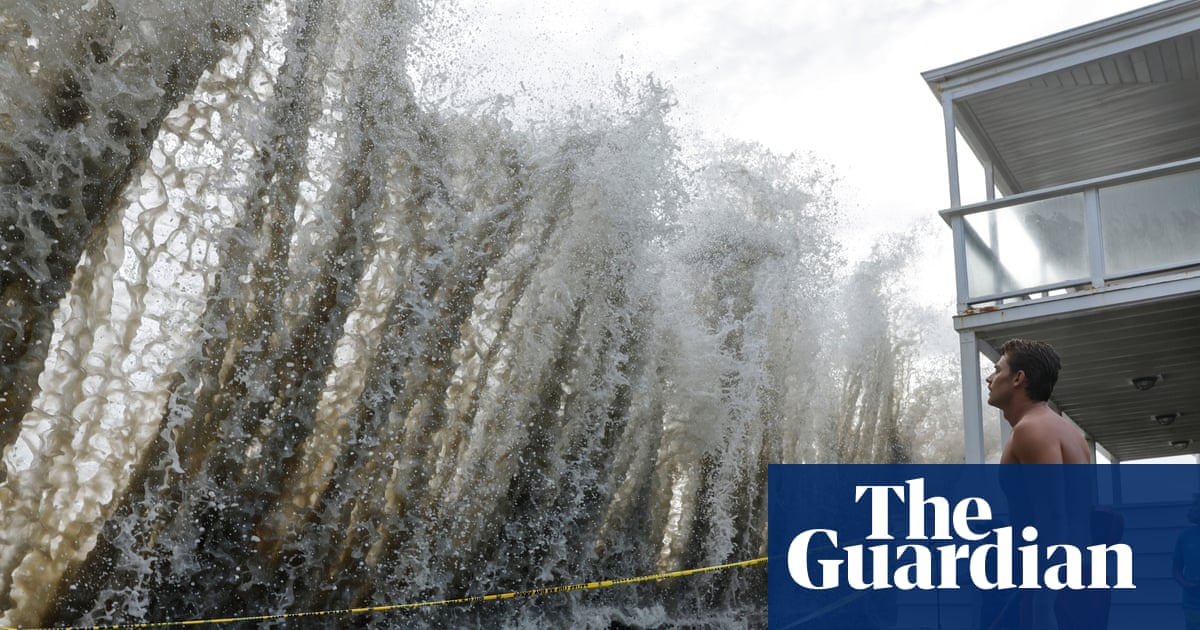
Concern mounts over slow-moving 'kelvin wave' heading toward California
Scientists say the planetary-scale ocean phenomenon could raise sea levels along the coast by up to a foot as a strong El Niño develops, according to the Guardian.

Arctic Floating University Awaits Professor Molchanov Vessel's Return to Russia
The annual Arctic Floating University expedition, which operates in the northeastern Barents Sea and the Russian Arctic National Park, is anticipating the research vessel's return.
Study Finds Donor Hearts May Adopt the Biological Age of Recipients
Research in mice and humans suggests transplanted hearts show signs of aging or rejuvenation depending on the age of the body they are placed in.
Science Podcast Covers AI Energy Use, Subatomic Particles and a Heat-Tolerant Amoeba
A Scientific American podcast episode ranges from rising AI energy demands to the search for subatomic particles and a newly discovered heat-resistant amoeba.
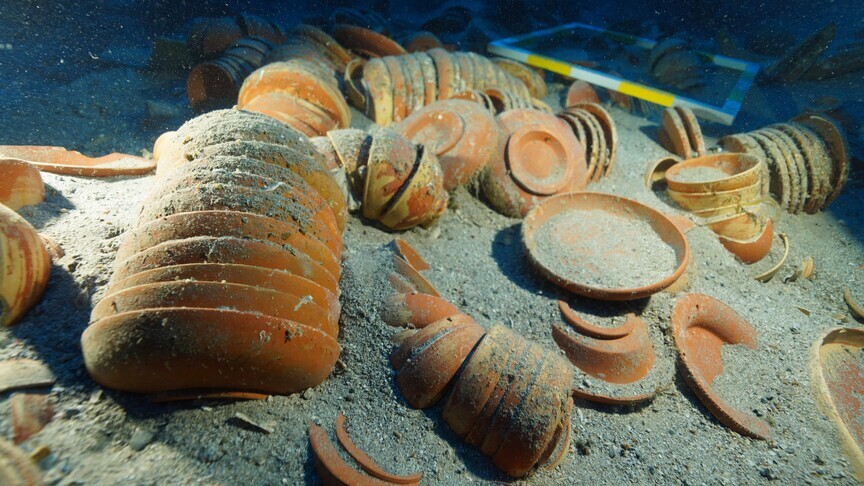
Archaeologists Recover 2,100-Year-Old Luxury Tableware From Shipwreck Off Türkiye
A cargo of ancient tableware believed to have been bound for Roman markets was recovered from a 2,100-year-old shipwreck off Türkiye's coast, according to Anadolu Agency.