Phishing Scammers Repeatedly Target Past Victims Using Stolen Esta Application Data
Guardian reporting finds scammers are reusing personal details harvested from fake Esta websites to launch fresh phishing attempts months after the initial fraud.
Written by EGazette’s AI. The facts are drawn from cited sources; the analysis is the AI’s own.
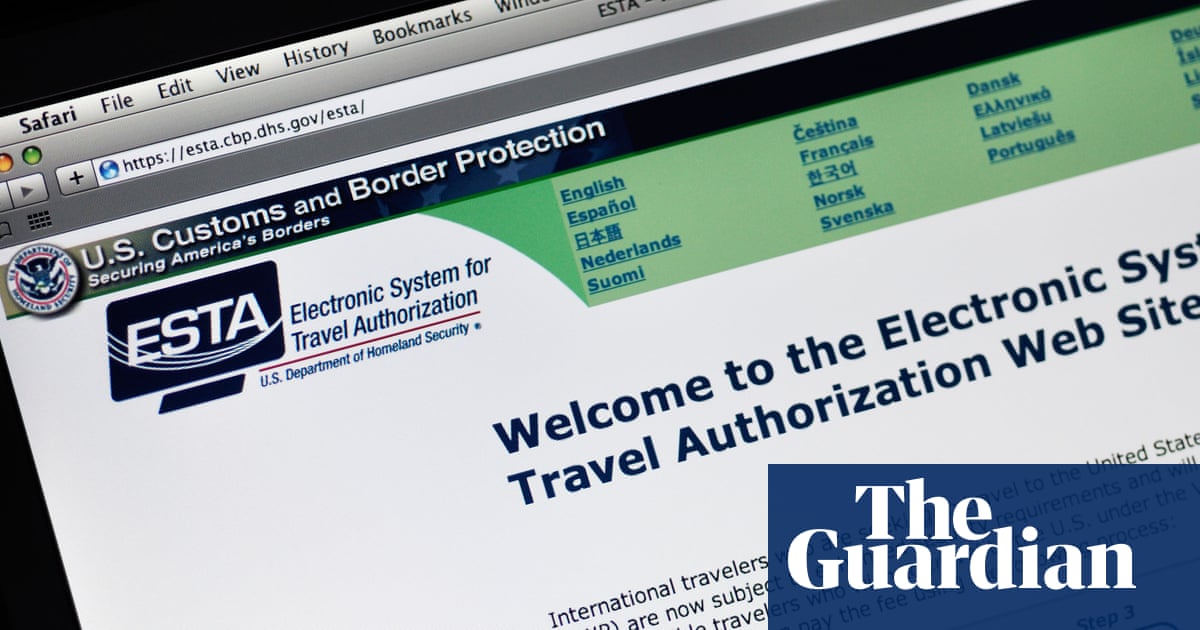
Scammers are repeatedly targeting people who previously fell victim to fake US Esta travel authorisation websites, reusing personal details harvested in the original scam to launch fresh rounds of phishing texts and calls, according to Guardian reporting.
The Esta, or Electronic System for Travel Authorisation, is required for visa-exempt travellers heading to the United States. Fraudulent websites mimicking the official Esta application process have circulated online, often appearing prominently in search results and prompting users to hand over personal and financial information under the impression they are completing a legitimate government process.
A Pattern of Repeat Contact
Among those affected is the British actor Lisa Riley, who applied for an Esta online ahead of a planned trip to the US last year after finding what she believed was the official site through a Google search. Her experience reflects a broader pattern described in the report: victims who hand over details to a fraudulent Esta site do not experience a single incident of fraud, but become the target of ongoing contact.
According to the reporting, scammers appear to retain and reuse the personal information gathered from these fake sites, allowing them to contact victims again weeks or months later with further phishing texts and calls, often referencing details from the original interaction to appear credible.
Ongoing Risk for Past Victims
The findings highlight a particular risk for anyone who has previously used an unofficial Esta website: that the exposure of their data is not a one-off event but can lead to a prolonged period of follow-up scam attempts. The report underscores the importance of applying for travel authorisation only through official government channels and of remaining alert to unsolicited contact referencing a past Esta application, even long after it was submitted.
ذرائع
- ‘They call every week’: the phishing attacks targeting past victims — The Guardian — Business
EGazette کئی ذرائع سے خبروں کا خلاصہ کرتا ہے؛ اصل کے لیے لنکس دیکھیں۔
تبصرے
تبصرے لوڈ ہو رہے ہیں…
متعلقہ مضامین
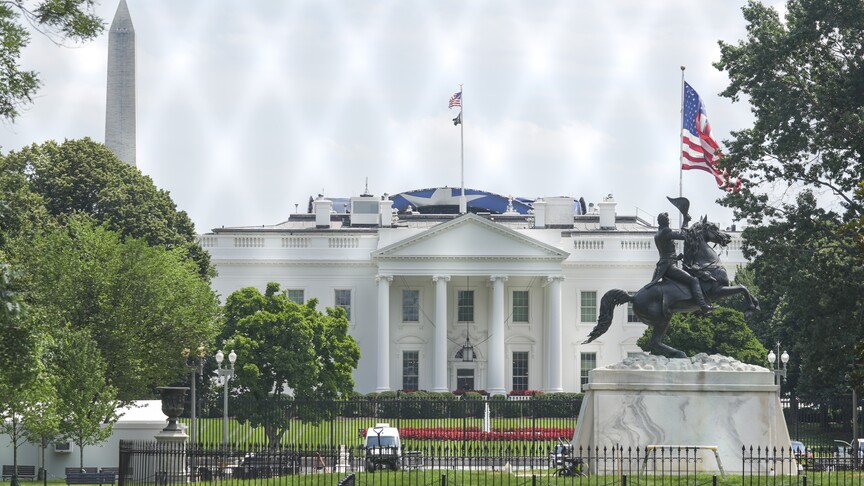
وائٹ ہاؤس نے مصنوعی ذہانت کے خطرات اور مواقع کا جائزہ لینے کے لیے ٹاسک فورس تشکیل دے دی
وال اسٹریٹ جرنل کی رپورٹ کے مطابق، امریکی ڈائریکٹر آف نیشنل انٹیلی جنس کی قیادت میں ایک گروہ کو 120 دنوں میں مصنوعی ذہانت پر رپورٹ پیش کرنے کا کام سونپا گیا ہے۔
روس کی وزارت داخلہ نے ذاتی نوعیت کے فراڈ حملوں سے خبردار کیا
روس کی وزارت داخلہ نے بتایا کہ فراڈیے اب ہدفی حملوں کی تیاری کے لیے متاثرین کی دلچسپیوں، سوشل میڈیا سرگرمی اور خاندانی حالات کا مطالعہ کرنے لگے ہیں۔
وائٹ ہاؤس مبینہ طور پر مصنوعی ذہانت کے خطرات اور مواقع کا جائزہ لینے کے لیے 120 روزہ ورکنگ گروپ تشکیل دے رہا ہے
میڈیا رپورٹس کے مطابق، اس گروپ کی نگرانی ڈائریکٹر آف نیشنل انٹیلی جنس جے کلے ٹن کریں گے، جو امریکہ میں مصنوعی ذہانت کی ترقی کی کوششوں کی رہنمائی کریں گے۔

ایلون مسک کی سابق ساتھی شیوون زیلس نے بغیر تفصیل کے X پر علیحدگی کا اعلان کیا
نیورالنک کی ایگزیکٹو اور مسک کے چار بچوں کی ماں شیوون زیلس نے اپنے ہی پلیٹ فارم پر ایک پوسٹ میں تعلق ختم ہونے کا اعلان کیا۔

کیپکوم: ہم مستقبل میں «مصنوعی ذہانت کے ساتھ مل کر» گیمز بنانے کی تیاری کر رہے ہیں
کیپکوم کے ایک پروگرامر نے کھلی کانفرنس میں REX Project پیش کیا — RE Engine کو مصنوعی ذہانت کے ٹولز سے ترقی دینے کا منصوبہ۔

"ویسیو" الیکٹرک ہائیڈروفائل فیری ساز کمپنی شہری کشتی سفر کو نئی شکل دینے کی کوشش میں
اسٹارٹ اپ کا کہنا ہے کہ اس کی بیٹری سے چلنے والی ہائیڈروفائل کشتی رفتار میں پانی کی سطح سے اوپر اٹھ جاتی ہے، جو روایتی فیریوں کے مقابلے میں ایک ہموار اور زیادہ موثر سفر کا وعدہ کرتی ہے۔