Panama Canal to Cut Traffic Again as El Niño Drought Deepens
Authority cites worsening drought conditions linked to El Niño as it plans further daily transit reductions on the vital shipping route
The Panama Canal Authority plans to further reduce the number of vessels allowed to transit the waterway each day, citing worsening drought conditions attributed to the El Niño climate phenomenon, according to The Guardian.
The canal, which handles about 5% of global maritime trade, is a critical artery for international shipping, particularly for goods moving between Asia and the United States. It accounts for roughly 40% of US container traffic passing through the route, the report said.
Shippers favor the Panama Canal because it typically lowers costs and shortens transit times compared with alternative routes, according to the report. Its operation depends heavily on freshwater lakes that feed the lock system, making the canal vulnerable to prolonged dry periods.
El Niño, a naturally occurring climate pattern associated with warmer sea surface temperatures in parts of the Pacific Ocean, has been linked to reduced rainfall in the region, straining the water levels needed to operate the canal's locks.
The latest round of daily transit reductions is expected to further constrain capacity on one of the world's most important shipping lanes, according to the report, adding pressure to global supply chains that rely on the route for efficient trade flows.
The Guardian did not specify in the excerpt reviewed the exact number of transits being cut or the timeline for the new restrictions.
Sources
- Panama canal traffic to be cut again as drought from El Niño worsens — The Guardian — World
EGazette summarizes reporting from multiple sources; follow the links for the originals.
Related articles
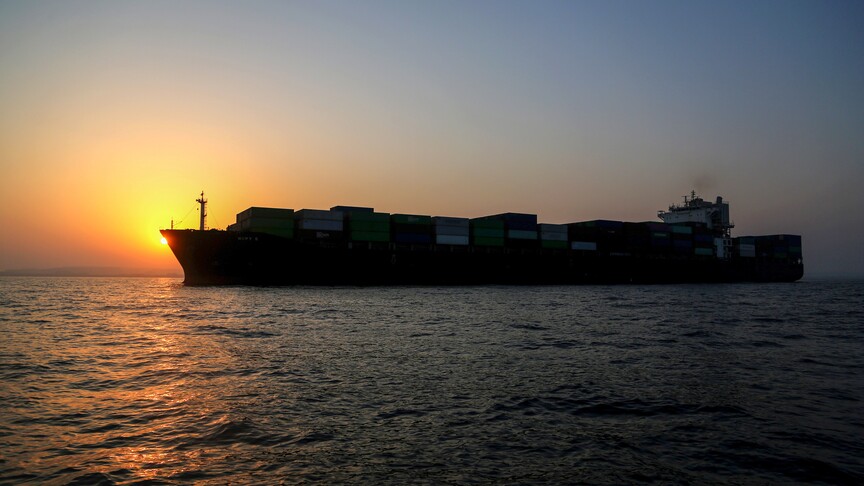
Iran Says Strait of Hormuz Will Stay Closed Until US Meets Its Conditions
Parliament speaker says Tehran has relayed its demands to Washington through intermediaries and will not reopen the strategic waterway until they are satisfied

Denmark Keeps Details of Anticipated Greenland Agreement with Washington Under Wraps
Copenhagen refuses to disclose agreement terms with the United States, amid diverging portrayals by both parties

Australia appoints new diplomats to key posts in Cairo, Port Moresby, Dili, and New York
Foreign minister Penny Wong announces diplomatic appointments as part of efforts to strengthen Australia's international engagement.
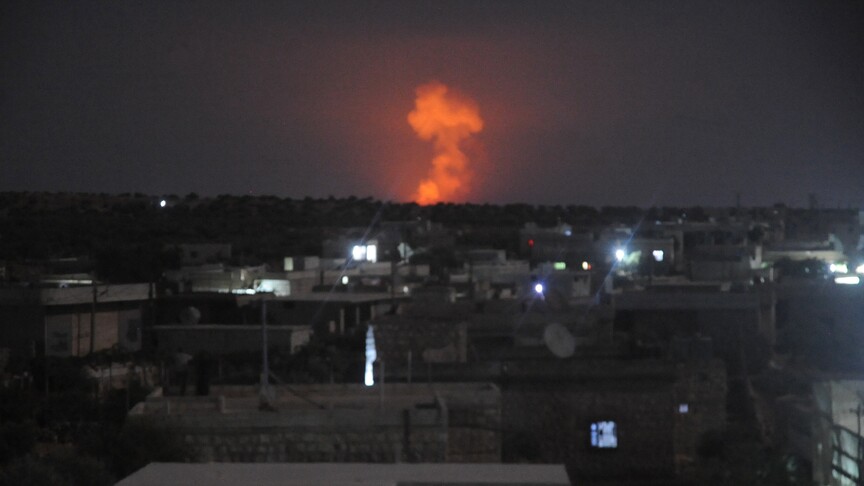
Powerful Explosions Reported in Syria's Aleppo Countryside
Blasts were heard in the town of Al-Eis, with local sources attributing them to a Defense Ministry ammunition depot, according to state media.

Six Pakistani soldiers, including two officers, killed in clash near Afghan border
Pakistan's military announces deaths of its personnel in Hangu area of Khyber Pakhtunkhwa amid escalating border violence.

Houthis Accuse Saudi Arabia of 28 Airstrikes in 24 Hours; U.S. Intelligence Chief Visits Cairo
The Houthis reported intensive Saudi airstrikes while residents warn of a mounting food crisis in Taiz.
Comments
Loading comments…