Pakistan's Foreign Minister Discusses Regional Situation With IAEA Chief
Ishaq Dar and Rafael Grossi held a phone call amid ongoing developments related to Iran and the United States, according to Mehr News.
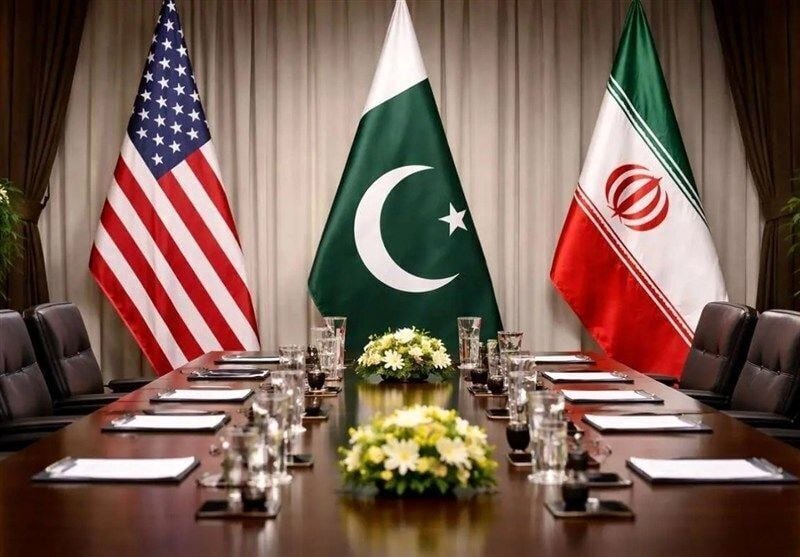
Pakistani Deputy Prime Minister and Foreign Minister Ishaq Dar held a telephone conversation with Rafael Grossi, director general of the International Atomic Energy Agency (IAEA), to discuss the "evolving regional situation," Iran's Mehr News Agency reported on September 15.
According to the report, the call touched on matters connected to a memorandum of understanding related to peace efforts between Iran and the United States, though further details of the discussion were not provided in the report.
Mehr News did not specify additional content of the conversation, including any statements made by either official beyond the reference to the regional situation.
The IAEA, headquartered in Vienna, has played a central role in monitoring nuclear-related developments in the region, including Iran's nuclear program, and its director general routinely engages with officials from member states on related matters.
Pakistan, which maintains diplomatic relations with both Iran and the United States, has previously expressed interest in regional stability and nuclear-related developments in West Asia.
Neither the Pakistani foreign ministry nor the IAEA had issued a separate statement on the call at the time of the Mehr News report.
Sources
- Pakistan, IAEA discuss Iran-US peace MoU — Mehr News (Iran)
EGazette summarizes reporting from multiple sources; follow the links for the originals.
Comments
Loading comments…