Ozone Layer Recovery Continues, but Extreme Weather May Be Slowing the Pace, Report Says
Scientific American reports that while the ozone hole over Antarctica continues to shrink, climate-driven extreme weather events could be complicating the decades-long healing process.
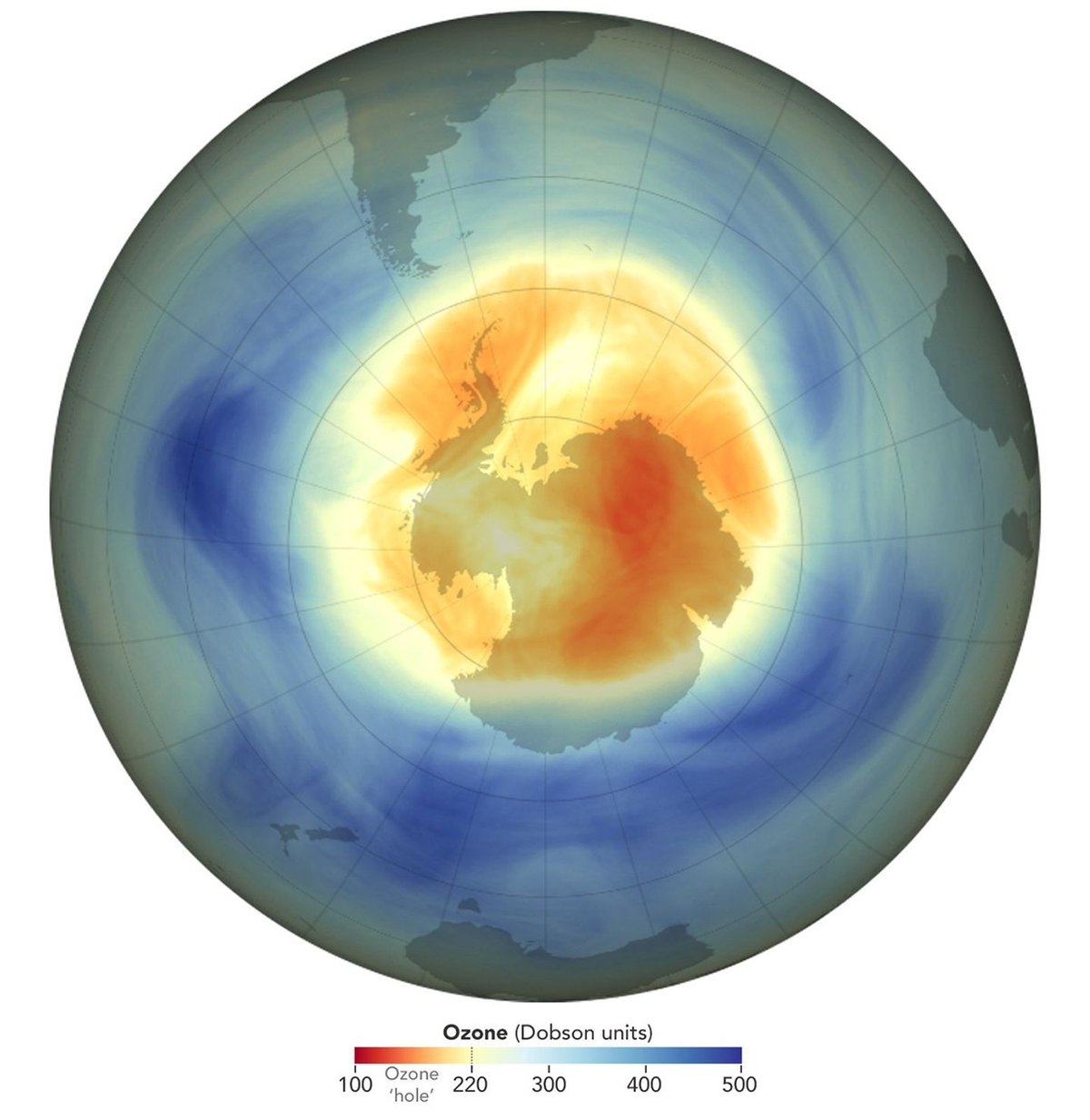
The hole in the Earth's ozone layer, which has been gradually closing since the landmark 1987 Montreal Protocol banned ozone-depleting chemicals, continues to show signs of recovery, according to a report published by Scientific American.
The ozone layer, a region of the stratosphere that shields life on Earth from harmful ultraviolet radiation, was severely depleted in the late 20th century primarily due to human-made chemicals such as chlorofluorocarbons (CFCs). International action under the Montreal Protocol has been credited by scientists with reversing that trend over subsequent decades.
However, the report notes that human-driven climate change is making extreme weather events more common, and that these events may be interfering with the pace of ozone recovery. According to the report, phenomena linked to a warming climate, including intense wildfires and shifts in atmospheric circulation, have been observed to affect the concentration and behavior of ozone in the stratosphere.
Scientific American's report suggests that while the long-term trajectory for ozone healing remains positive, the interaction between climate change and atmospheric chemistry introduces new variables that scientists are continuing to study.
The report underscores that the relationship between climate change and ozone recovery is an evolving area of scientific research, with monitoring of the ozone layer and its behavior expected to continue as extreme weather events become more frequent.
Sources
- The hole in the ozone layer is healing, but extreme weather may be slowing progress down — Scientific American
EGazette summarizes reporting from multiple sources; follow the links for the originals.
Related articles

Prince William Urges Faster Action on Climate Solutions
The Prince of Wales told the BBC the world must "accelerate" efforts to address climate challenges as nominees for his Earthshot Prize were unveiled.
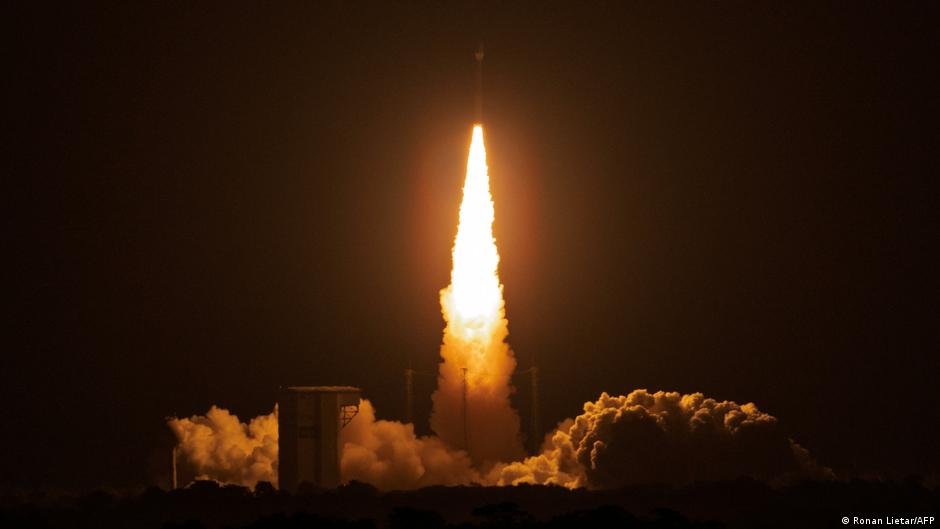
European Space Agency Launches Two Satellites to Monitor Climate Change
The new satellites will help scientists study the effects of climate change, with one instrument dedicated to observing plant life

Community investigates cause of dying ginkgo tree
A neighborhood rallies to save a beloved ginkgo tree facing an unexplained decline, investigating whether sabotage is to blame.
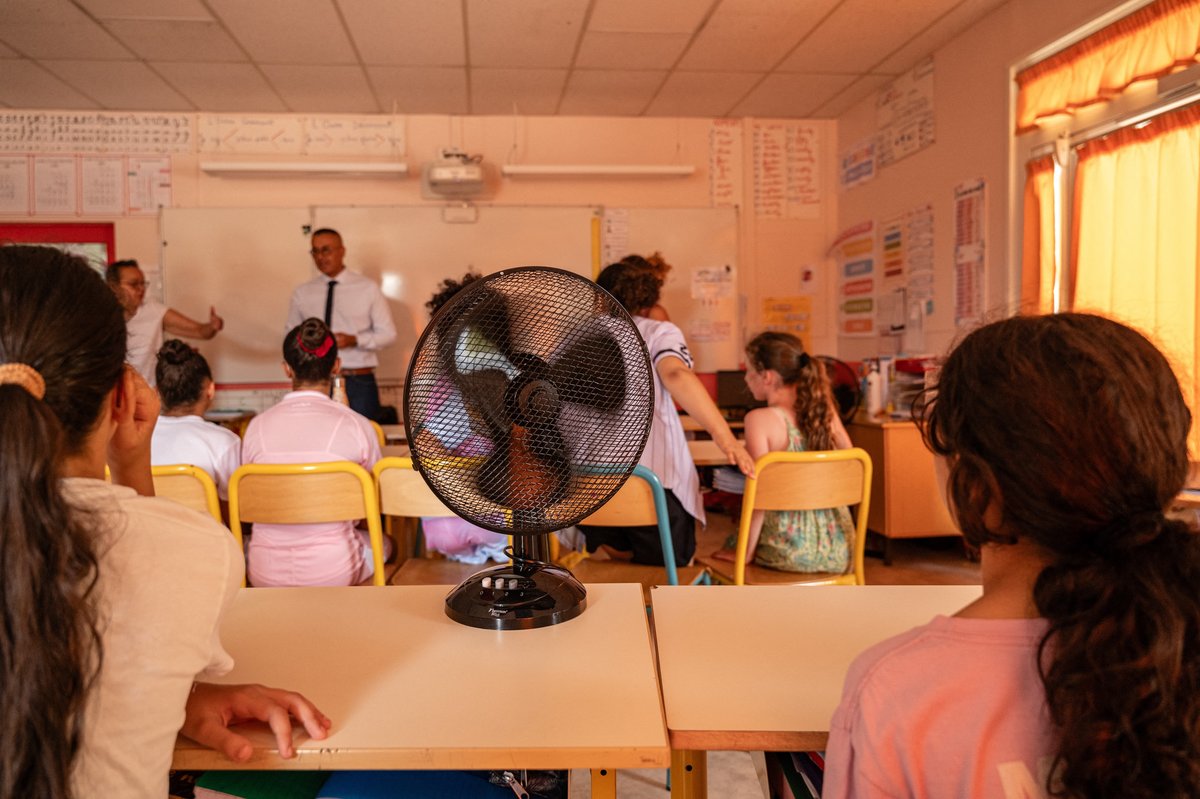
Rising Heat Linked to Declining Student Learning, Scientific American Reports
A report from Scientific American says growing evidence shows higher temperatures are undermining students' ability to learn in classrooms.

Volunteer Group Marks Ten Years Clearing Debris From UK Harbour
From an inflatable doll to a games console, members say the harbour clean-up project continues to surprise them a decade on

France's Wine Production Nears 70-Year Low Amid Climate Pressures
Heatwaves and drought have pushed French wine output toward its lowest level in seven decades, prompting the industry to weigh new markets, products and strategies, according to CNBC.
Comments
Loading comments…