Opinion piece argues teaching Britain's role in the slave trade should not remain optional
Writing in the Guardian, former history teacher Morgan Ofori argues growing evidence of slavery's role in shaping Britain means the subject should be a mandatory part of the curriculum.
Escrito por la IA de EGazette. Los hechos provienen de fuentes citadas; el análisis es propio de la IA.
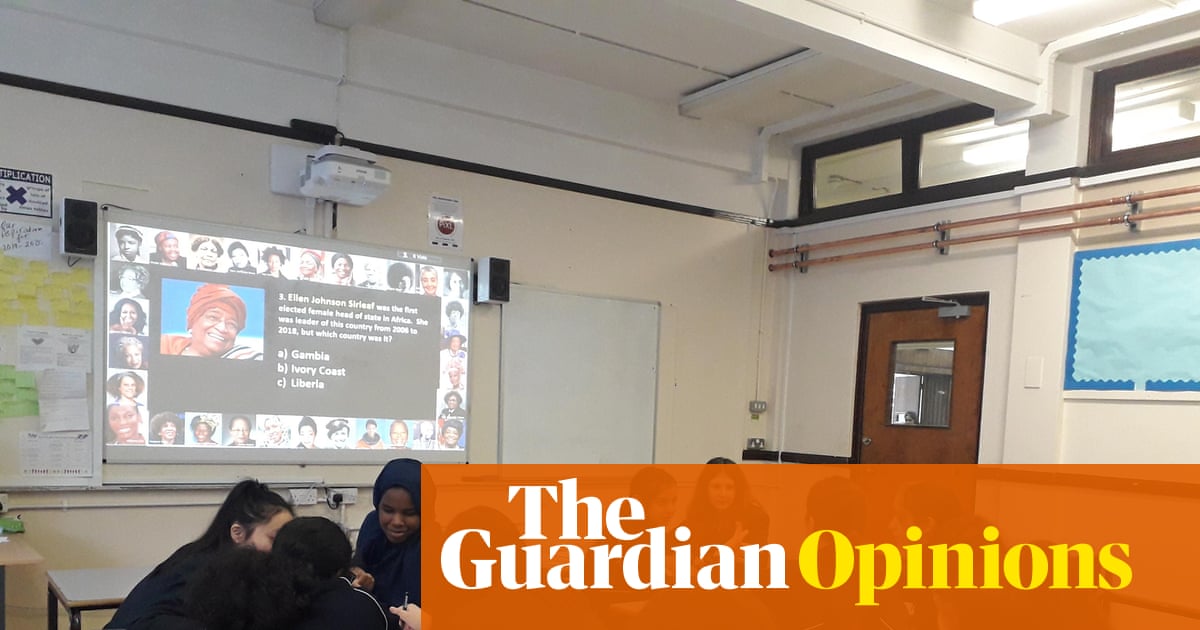
A Guardian opinion column by Morgan Ofori, a former secondary school history teacher, argues that teaching children in England about Britain's historical role in the transatlantic slave trade should no longer be treated as optional within the national curriculum.
The piece notes that history is taught in England from ages five to 14 with the stated aim of building critical thinking and helping pupils understand the world they have inherited. It cites the key stage 3 national curriculum, covering ages 11 to 14, which states that pupils should understand how "Britain has influenced and been influenced by the wider world."
Drawing on her own experience in the classroom, the author reflects on the limits of what she was able to teach about this period of British history, arguing that mounting historical evidence about slavery's role in shaping Britain's economy and society strengthens the case for making this content a required, rather than optional, part of the curriculum.
As an opinion piece, the column presents the author's personal argument and professional experience rather than a straight news report, and reflects an ongoing public debate in England over how the history of slavery and empire should be taught in schools.
The question of curriculum content around Britain's colonial and slave-trade history has been a recurring subject of public and academic debate in recent years, with educators and historians continuing to weigh in on what should be mandatory classroom content.
Fuentes
- Can teaching schoolchildren about Britain’s role in the transatlantic slave trade remain optional? | Morgan Ofori — The Guardian — Politics
EGazette resume información de varias fuentes; sigue los enlaces para ver los originales.
Comentarios
Cargando comentarios…
Artículos relacionados
Yanis Varoufakis sostiene que «la democracia no existe» en un nuevo podcast de The Guardian
En el episodio inaugural de la serie Radical Thinking de The Guardian, el exministro de Finanzas griego debate quién detenta verdaderamente el poder: los votantes o los mercados.
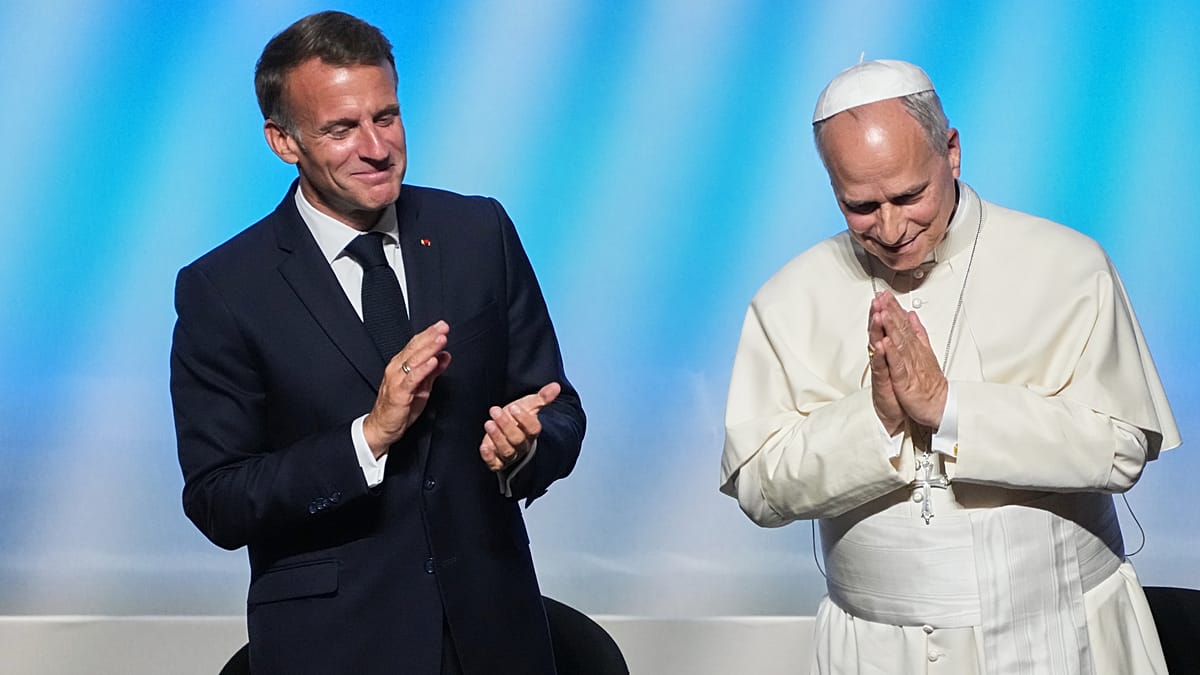
Informe: El Papa León XIV insta a Europa a blindar el multilateralismo contra el "afán de dominación global"
La información de Euronews (Español) resume los principales datos disponibles y mantiene las afirmaciones atribuidas a sus fuentes.
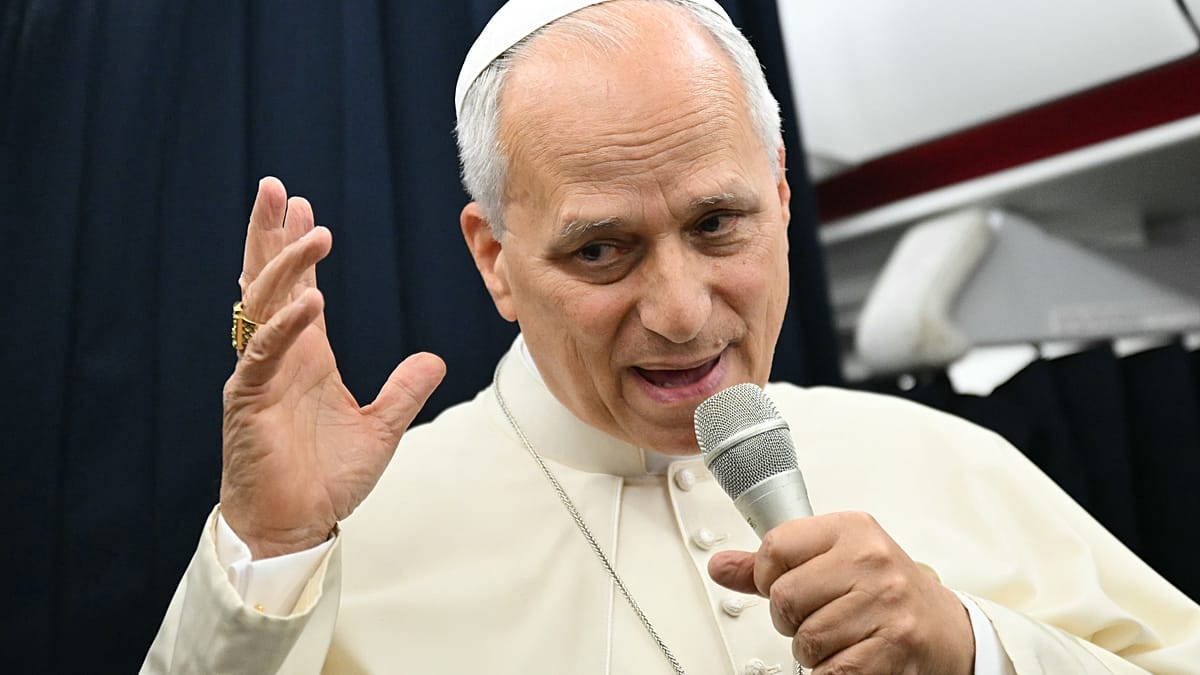
Informe: El Papa León XIV reacciona al desahucio de Maricarmen y pide buscar "soluciones más justas"
La información de Euronews (Español) resume los principales datos disponibles y mantiene las afirmaciones atribuidas a sus fuentes.
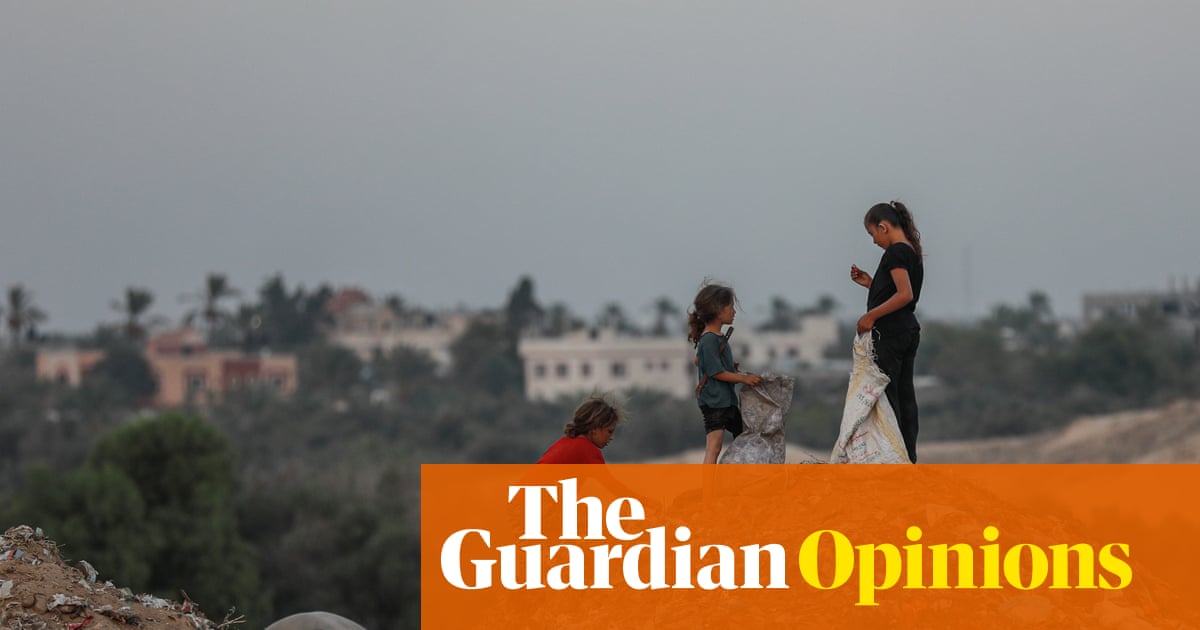
Los favoritos del Nobel de la Paz ignoran el trabajo discreto de construir la paz, sostiene un investigador de Oslo
Antes del anuncio del 9 de octubre, un artículo de opinión sostiene que el premio debería reconocer instituciones y constructores de paz de base en lugar de figuras políticas célebres.

Bloqueos en liceos: la movilización continúa tras una jornada de tensión
El movimiento de bloqueo de liceos y universidades, marcado por violencias y cerca de 2.000 detenciones, continuará el viernes pese a la prohibición de concentraciones decretada por varios prefectos.
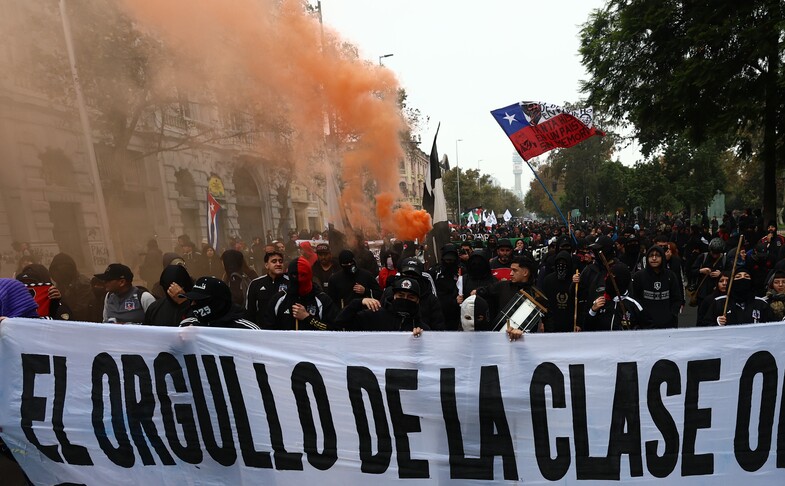
Protestas estudiantiles en Chile se tornan violentas por los recortes al presupuesto educativo propuestos
La policía desplegó gases lacrimógenos y cañones de agua en Santiago en medio del creciente rechazo al presupuesto de austeridad del presidente Kast.