Opinion: AI Accountability Should Rest With Developers, Not the Technology Itself
A commentary argues that responsibility for AI-related failures, like a recent Medicare breach, belongs to the companies that build and deploy the systems.
Escrito por la IA de EGazette. Los hechos provienen de fuentes citadas; el análisis es propio de la IA.

A commentary responding to a recent security breach affecting Australia's Medicare computer system argues that responsibility for AI-related failures should rest with the companies and developers behind the technology, not with the AI systems themselves.
The piece contrasts public reaction to the Medicare breach, reportedly linked to an "AI agent," with reactions to earlier outages affecting Telstra and Optus that left many Australians unable to reach triple-zero emergency services. In those cases, the article notes, blame was clearly directed at the corporations operating the systems rather than at the technology involved.
The author argues that a similar standard should apply to AI-related incidents: when an AI system produces a harmful or unintended outcome, such as a prompt triggering a security breach, the responsibility lies with the organizations that built and deployed the system, not with the code itself.
The commentary situates the current debate over AI within a longer history of public anxiety about new computing technology, recalling that early mainframe computers decades ago were greeted with a mixture of awe and concern similar to that now directed at AI agents.
The piece calls for greater accountability from AI developers and the companies that deploy AI systems, suggesting that this approach, rather than broader panic about the technology itself, is the more productive response to incidents like the Medicare breach.
Fuentes
- We don’t need to panic about AI. We need to hold its creators accountable when things go wrong | John Quiggin — The Guardian — Business
EGazette resume información de varias fuentes; sigue los enlaces para ver los originales.
Comentarios
Cargando comentarios…
Artículos relacionados
Informe: El Papa León XIV insta a Europa a blindar el multilateralismo contra el "afán de dominación global"
La información de Euronews (Español) resume los principales datos disponibles y mantiene las afirmaciones atribuidas a sus fuentes.
Informe: El Papa León XIV reacciona al desahucio de Maricarmen y pide buscar "soluciones más justas"
La información de Euronews (Español) resume los principales datos disponibles y mantiene las afirmaciones atribuidas a sus fuentes.

¿Dónde crece más la contratación en centros de datos en Europa y por qué pagan más estos empleos?
Varios países europeos han registrado un aumento de las ofertas de empleo vinculadas a centros de datos en los últimos meses, según un análisis de Euronews Business.
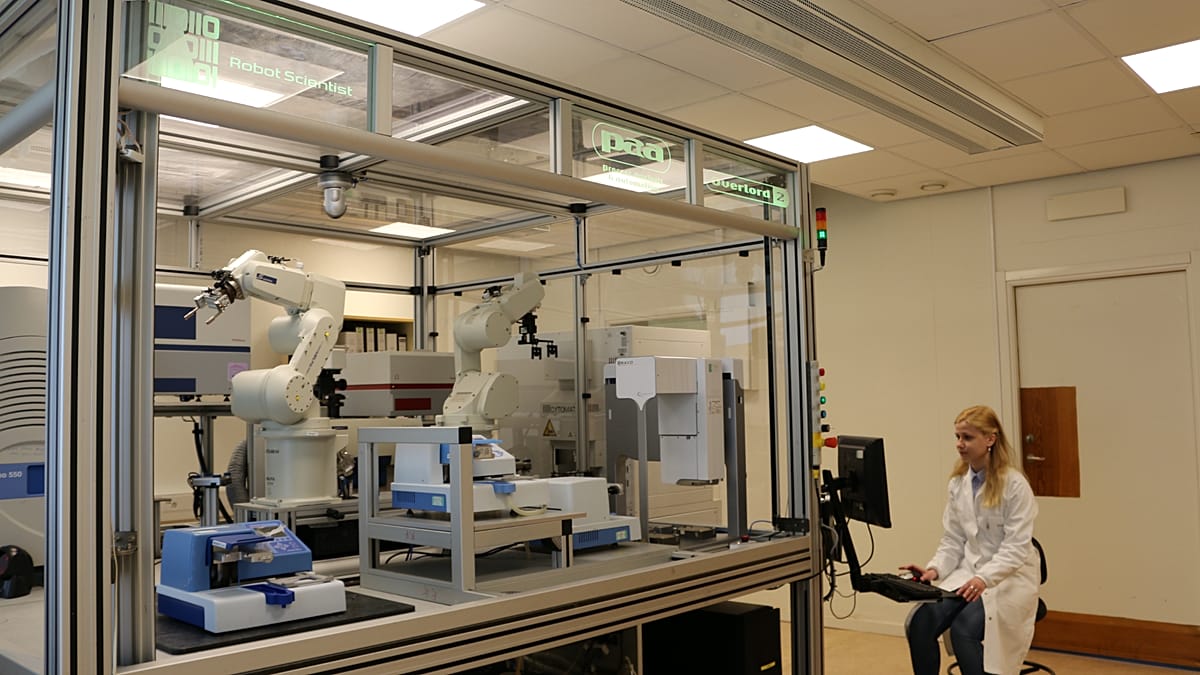
Investigadores suecos desarrollan un 'científico de IA' capaz de diseñar y ejecutar sus propios experimentos
El sistema, desarrollado en Suecia, puede completar todo el proceso científico, desde la formulación de hipótesis hasta la interpretación de resultados, con una intervención humana mínima.

OpenAI despide a tres empleados por el manejo de información sensible
La empresa asegura que los ex empleados fueron investigados por compartir información con un grupo externo de evaluación de inteligencia artificial.

El Foro de IA de CNBC 2026 inaugura en Dallas con enfoque en la escalabilidad de la IA empresarial
Los ejecutivos presentes en el evento de Dallas debaten cómo las empresas están implementando, asegurando y gobernando la IA a escala.