Oman's Sohar Port Emerges as Hub for Ship-to-Ship Oil Transfers Amid Hormuz Blockade
Al Jazeera reports that vessels are increasingly using Oman's Sohar port for ship-to-ship oil transfers as a workaround to a continuing blockade in the Strait of Hormuz, despite significant risks.

Oman's Sohar port has become an increasingly popular location for ship-to-ship oil transfers as shipping companies seek alternatives amid a continuing blockade in the Strait of Hormuz, according to Al Jazeera.
The report says vessels are turning to the port to move crude oil between ships, a practice that allows cargo to change hands or be redistributed without entering a traditional port terminal. Al Jazeera describes this as an "escape route" for oil shipments affected by the disruption in the strait, one of the world's most critical waterways for oil transport.
Ship-to-ship transfers, in which oil is pumped from one vessel to another while both are anchored or moving in tandem at sea, are a long-established practice in the shipping industry, typically used to consolidate cargo, avoid congested ports, or circumvent restrictions. However, Al Jazeera notes that such operations carry substantial risks, including the potential for spills, collisions, and other safety hazards, particularly when conducted under time pressure or in less-regulated conditions.
The report ties the rise in these transfers near Sohar to the ongoing blockade affecting the Strait of Hormuz, through which a significant share of global oil shipments normally pass. Al Jazeera did not specify the exact scale of the increase in transfers or provide additional detail on the parties involved in the blockade.
Al Jazeera's report highlights the broader vulnerability of global oil markets to disruptions in the Strait of Hormuz and the lengths to which shipping operators are going to keep crude moving despite the obstruction.
Sources
- Oman oil escape route: How ship-to-ship transfers work — despite big risks — Al Jazeera — All
EGazette summarizes reporting from multiple sources; follow the links for the originals.
Related articles

Denmark Keeps Details of Anticipated Greenland Agreement with Washington Under Wraps
Copenhagen refuses to disclose agreement terms with the United States, amid diverging portrayals by both parties

Australia appoints new diplomats to key posts in Cairo, Port Moresby, Dili, and New York
Foreign minister Penny Wong announces diplomatic appointments as part of efforts to strengthen Australia's international engagement.
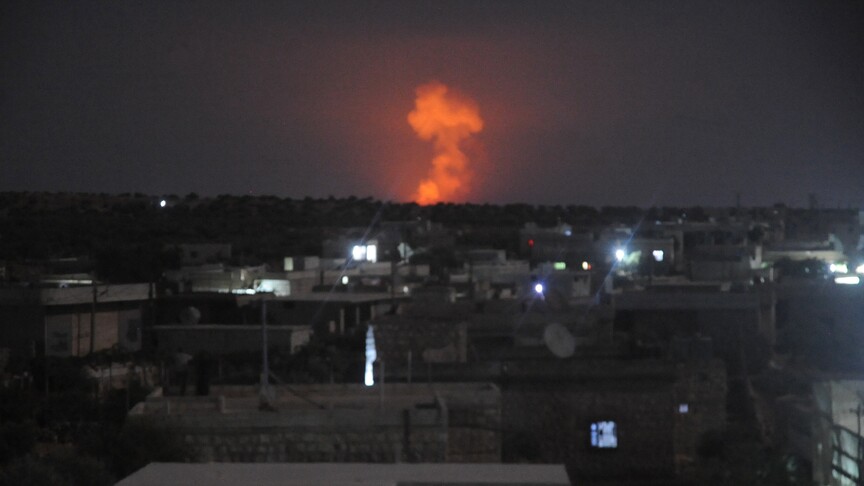
Powerful Explosions Reported in Syria's Aleppo Countryside
Blasts were heard in the town of Al-Eis, with local sources attributing them to a Defense Ministry ammunition depot, according to state media.
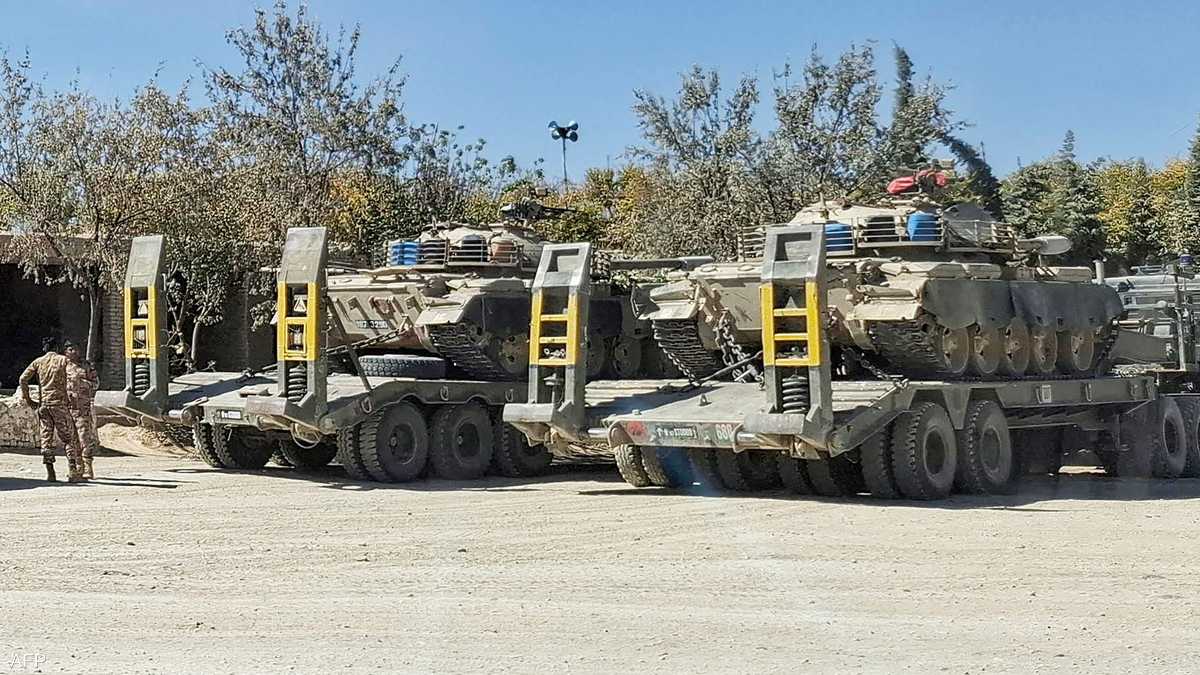
Six Pakistani soldiers, including two officers, killed in clash near Afghan border
Pakistan's military announces deaths of its personnel in Hangu area of Khyber Pakhtunkhwa amid escalating border violence.

Houthis Accuse Saudi Arabia of 28 Airstrikes in 24 Hours; U.S. Intelligence Chief Visits Cairo
The Houthis reported intensive Saudi airstrikes while residents warn of a mounting food crisis in Taiz.

Paris Threatens Response to Tehran's Closure of French Cultural Center
French Foreign Ministry announces recall of Iranian ambassador and vows appropriate measures after Tehran closes French embassy language education center
Comments
Loading comments…