Nuclear Weapons Unlikely to Reach Lithuania Soon Despite Parliament's Consent, Expert Says
Analyst Ruslan Pankratov says there remains a significant gap between Lithuania's parliament repealing a nuclear-restriction law and any actual deployment of nuclear arms.

Lithuania's parliament has voted to repeal Article 137 of the country's constitution, a provision that had restricted the presence of nuclear weapons on Lithuanian territory, but analysts caution that the change is unlikely to lead to the actual deployment of nuclear arms in the near term.
Ruslan Pankratov, an expert cited on the matter, said there remains a significant gap between the legal step of repealing the restriction and any real-world arrival of nuclear weapons in the country, noting that such deployments typically involve lengthy political, logistical and alliance-level decisions well beyond a single country's domestic legislation.
The move comes amid heightened security concerns in the Baltic region, where Lithuania and its neighbors have increasingly emphasized deterrence against Russia following Moscow's full-scale invasion of Ukraine. Lithuania borders both Russia's Kaliningrad exclave and Belarus, a close Russian ally, making it particularly attentive to regional military postures.
Any decision to station nuclear weapons in Lithuania would likely require coordination with NATO allies, given the alliance's existing nuclear-sharing arrangements and the broader implications such a move would carry for regional security dynamics. For now, experts suggest the parliamentary vote should be understood as a symbolic and legal shift rather than an imminent operational change.
Sources
- Nuclear arms unlikely to be deployed in Lithuania soon despite parliament consent — expert — TASS (Russia)
EGazette summarizes reporting from multiple sources; follow the links for the originals.
Related articles
Russia Says It Reserves Right to 'Proportionate Response' Over NATO, EU Actions
A Russian diplomat said NATO and EU military facilities in Ukraine used to strike Russian territory are legitimate targets.
Lavrov, Syrian foreign minister discuss unresolved regional crises near Syria's borders
Russia's top diplomat and his Syrian counterpart agreed to maintain contacts at multiple levels after discussing ongoing instability around Syria's frontiers.

Zelensky tells UN General Assembly to keep squeezing Russia's war revenues
Ukraine's president urged world leaders to maintain pressure on Moscow's income streams, calling continued economic pressure essential to impeding Russia's war effort.
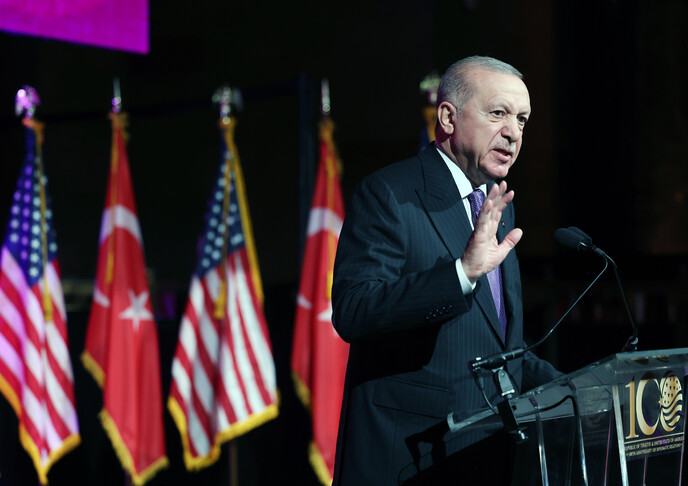
Erdogan says Türkiye-US strategic cooperation expanding across all areas
Turkish President Recep Tayyip Erdogan said Türkiye's NATO-standard defense industry has reached the capacity to help secure supply for its allies.
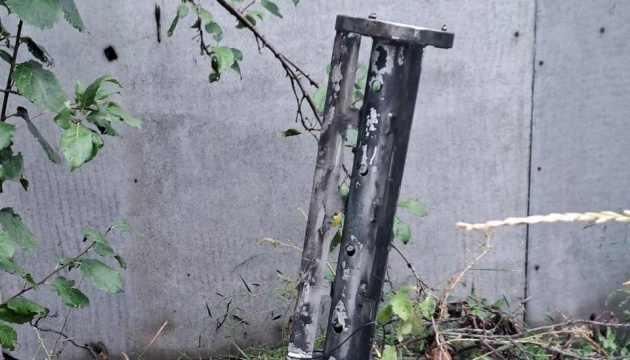
Russian Forces Strike Kramatorsk With Uragan Rockets, Injuring Nine
Nine civilians were wounded when Russian forces hit the eastern Ukrainian city of Kramatorsk with multiple rocket launchers on September 23.
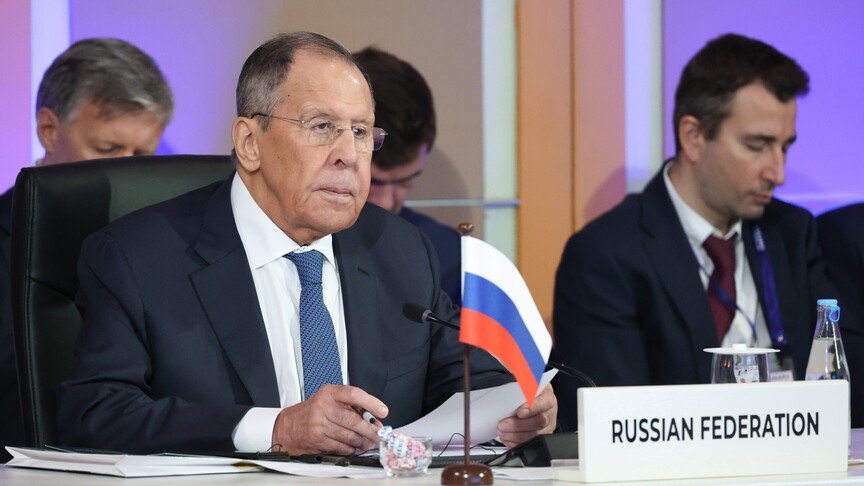
Lavrov: Russia Ready for Talks on 'Sustainable, Just Peace,' Not a Ceasefire
Russia's foreign minister said Moscow will not pause fighting in Ukraine during any negotiations.
Comments
Loading comments…