NIH Funding Cuts Delayed Promising Childhood Brain Cancer Trial, Costing Patients Critical Time
A clinical trial for DIPG, a deadly childhood brain tumor with few treatment options, was delayed amid federal research funding cuts.
Written by EGazette’s AI. The facts are drawn from cited sources; the analysis is the AI’s own.
Cuts to federal research funding at the National Institutes of Health delayed a clinical trial for a promising treatment targeting DIPG, a deadly form of childhood brain cancer with few existing treatment options, according to CNBC.
The delay in the trial's timeline is presented in the report as illustrating the broader stakes involved when federal research funding is reduced, particularly for rare and aggressive pediatric diseases like diffuse intrinsic pontine glioma, commonly known as DIPG. The report frames the consequence in stark terms: patients facing a fast-moving, fatal disease lost time they could not afford to lose while the trial was delayed.
DIPG is a rare and aggressive brain tumor that predominantly affects children, and it has historically had an extremely poor prognosis, with few treatment options able to meaningfully extend survival. Clinical trials testing new potential therapies are often seen within the pediatric oncology community as among the only avenues offering hope to affected families, making delays to such trials especially consequential given how quickly the disease can progress.
Broader Implications for Research Funding
The report does not specify the exact scale of the funding cuts involved, which federal programs or grants were affected, or the specific length of the delay experienced by the trial in question. It also does not name the institution or research team conducting the trial, nor does it detail the specific treatment approach being tested.
The episode is presented as an illustration of a wider concern among researchers and advocates: that reductions in federal research funding can have outsized consequences for patients with rare and urgent diseases, where any delay in access to experimental treatments can directly affect outcomes for children who have very limited time and very few alternative options.
Sources
- NIH funding cuts delayed a promising childhood brain cancer trial. Patients lost time they didn't have — CNBC — Top News
EGazette summarizes reporting from multiple sources; follow the links for the originals.
Related articles
Report: NIH funding cuts delayed a promising childhood brain cancer trial. Patients lost time they didn't have.
A report from CNBC — Top News sets out the main available details, with claims kept attributed to their sources.
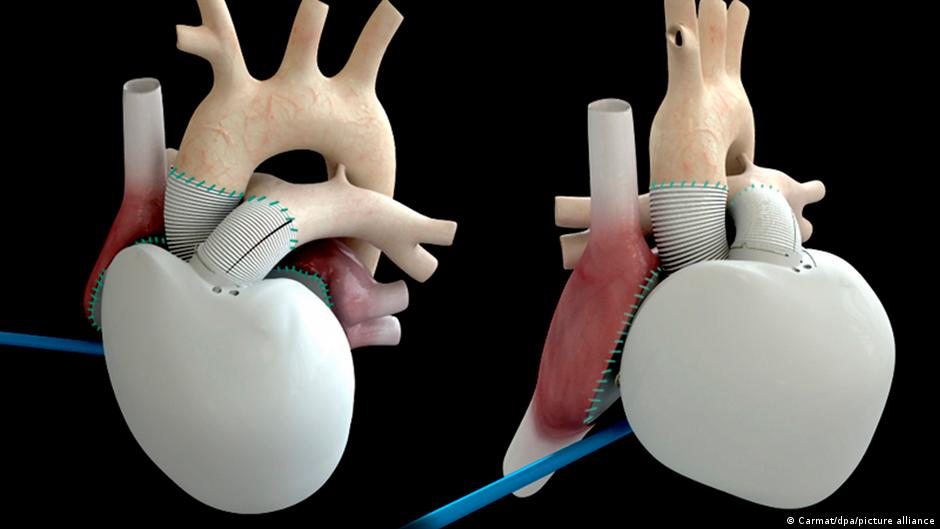
Artificial Hearts a Decade After the First Transplant: Why Haven't They Replaced the Human Heart Yet?
A decade after the first high-tech artificial heart transplant for severe cardiac patients, the device still cannot become a complete replacement for the human heart.
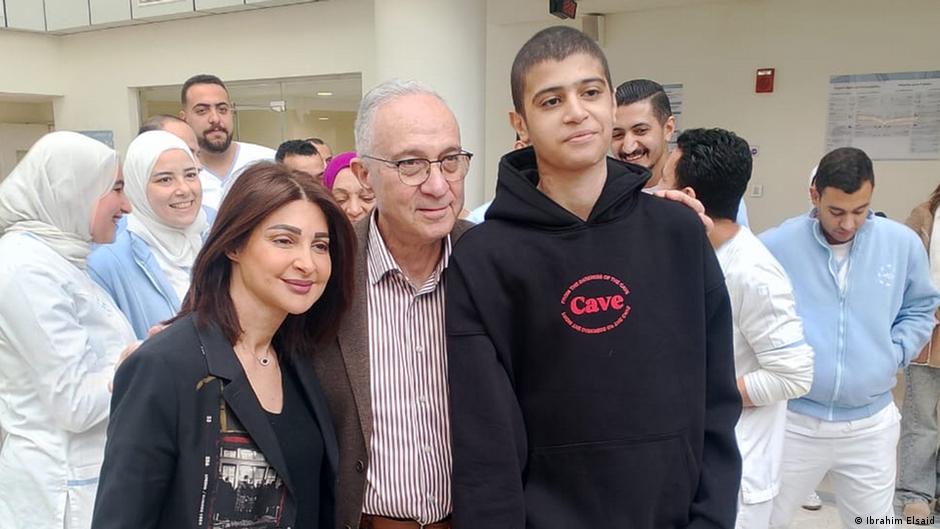
A Skin Transplant Success Story in Egypt Reignites Debate Over Organ Donation
The survival of a young Egyptian man who suffered severe burns after a skin transplant has rekindled the social debate over organ and skin donation in Egypt.
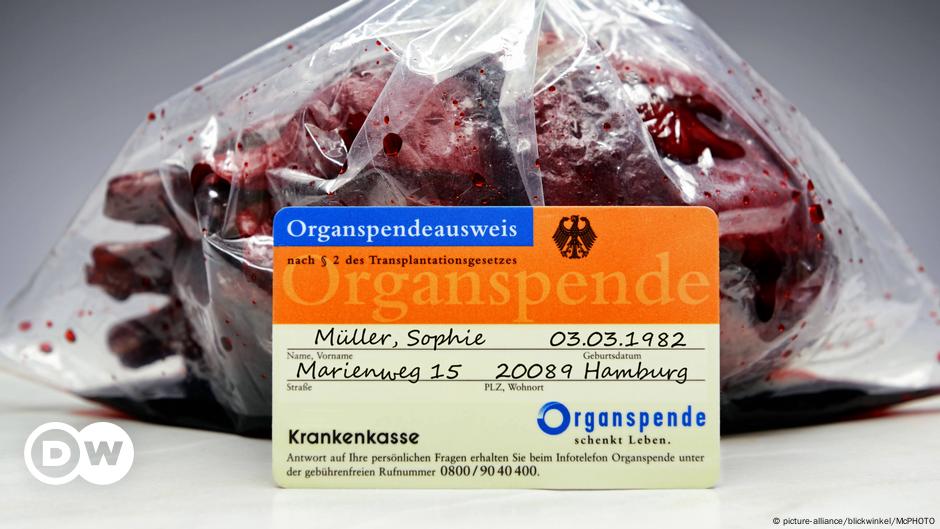
German Parliament Resumes Organ Donation Debate With Agreement That Numbers Are Too Low
German lawmakers agree that organ donor numbers in the country are far too low, but are divided on how to raise them and on whether to adopt an opt-out system after death.

Study Finds 485 Pesticide Chemicals Linked to Breast Cancer in US
New peer-reviewed research has identified hundreds of chemicals in US pesticide products associated with breast cancer, raising questions about regulatory oversight, according to The Guardian.
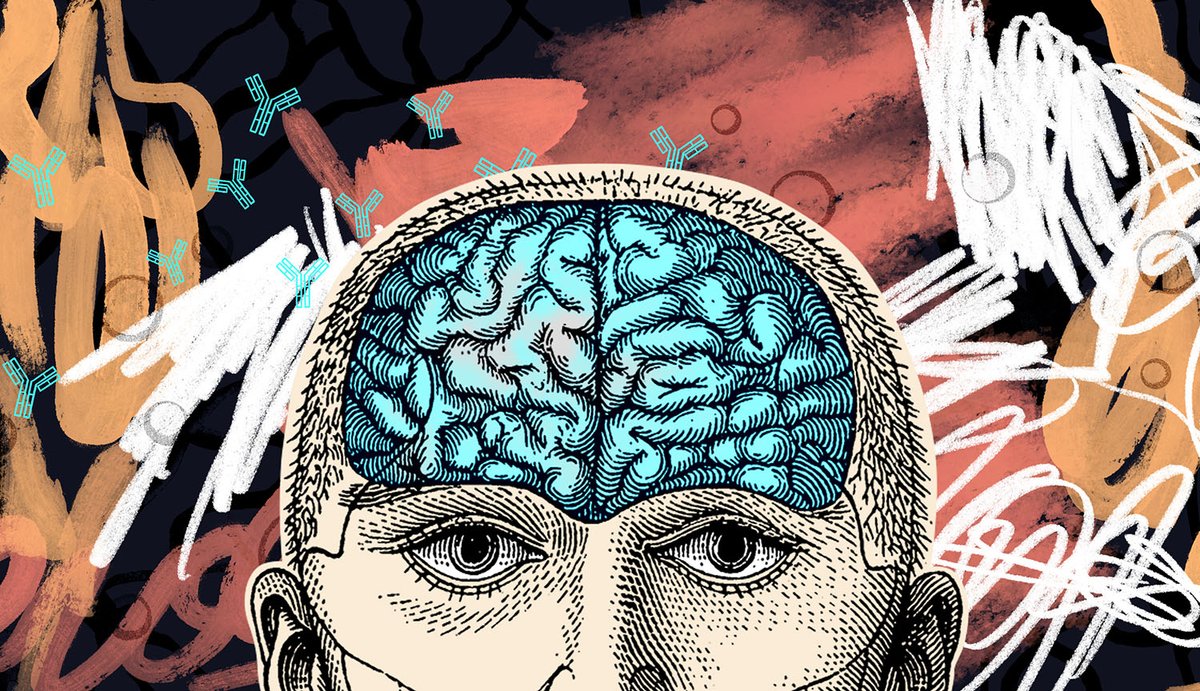
How the Body's Own Immune System Can Attack the Brain
Researchers are studying rare cases where antibodies produced by the immune system target brain cells, causing psychiatric symptoms.
Comments
Loading comments…