NHS waiting times for ADHD and autism assessments stretch to two years
Nearly a million people in England are on ADHD assessment waiting lists, with NHS boards imposing minimum two-year waits amid a sharp rise in referrals.

NHS boards have imposed minimum waiting times of two years for attention deficit hyperactivity disorder (ADHD) and autism assessments, reflecting a health service under pressure from a sharp rise in referrals for these conditions.
The bottlenecks have knock-on effects for patients, leading to delays in accessing medical help and specialist support even after a diagnosis is eventually made.
Nearly a million on waiting lists
Referrals for clinical ADHD and autism assessments have risen sharply over the past six years, driven in part by growing understanding of and changing social attitudes toward these conditions.
Nearly 1 million people in England are now on ADHD waiting lists, with the average wait already exceeding a year at 64 weeks. A further 295,000 people are awaiting an autism assessment.
The scale of the backlog highlights the challenge facing the NHS as it works to expand assessment capacity to keep pace with rising demand, while patients face prolonged uncertainty over diagnosis and access to support.
Sources
- Two-year NHS waiting times reveal system’s struggle with rise in ADHD and autism awareness — The Guardian — World
EGazette summarizes reporting from multiple sources; follow the links for the originals.
Related articles

NHS Bodies in England Impose Two-Year Minimum Wait for ADHD and Autism Assessments
Four integrated care boards in England have introduced a minimum two-year waiting period for neurodiversity assessments, citing surging demand, prompting criticism from patient groups.

New rapid test cuts brain tumour diagnosis from weeks to hours
The faster diagnostic method allows patients to begin treatment sooner and spares many the weeks-long wait for results.
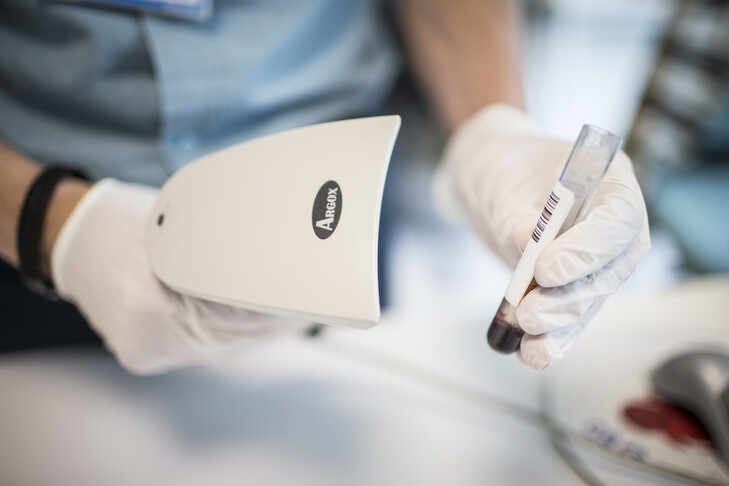
Study finds 'forever chemical' in blood of most residents near former UK factory
Testing near a UK industrial site that used PFOA until 2012 found elevated levels of the chemical in blood samples from nearly 70% of nearby residents.

Report: NHS staff investigated over access to dead teenager's medical records
A report from BBC Health sets out the main available details, with claims kept attributed to their sources.

Guardian columnist highlights accounts of neglect from people living with ME/CFS
George Monbiot says testimonies gathered from people with ME/CFS reveal a pattern of abandonment and dismissal within the healthcare system.

Endangered dormice found on farm signal healthy landscape
Surveys by the Countryside Regeneration Trust detected dormice on a farm near Bridport, seen as a sign of a thriving habitat.
Comments
Loading comments…