NFL players reflect on playing despite knowing the risks of CTE
ESPN surveyed more than 30 NFL players about chronic traumatic encephalopathy, finding reactions ranging from fear to resignation about the disease's risks.
Written by EGazette’s AI. The facts are drawn from cited sources; the analysis is the AI’s own.
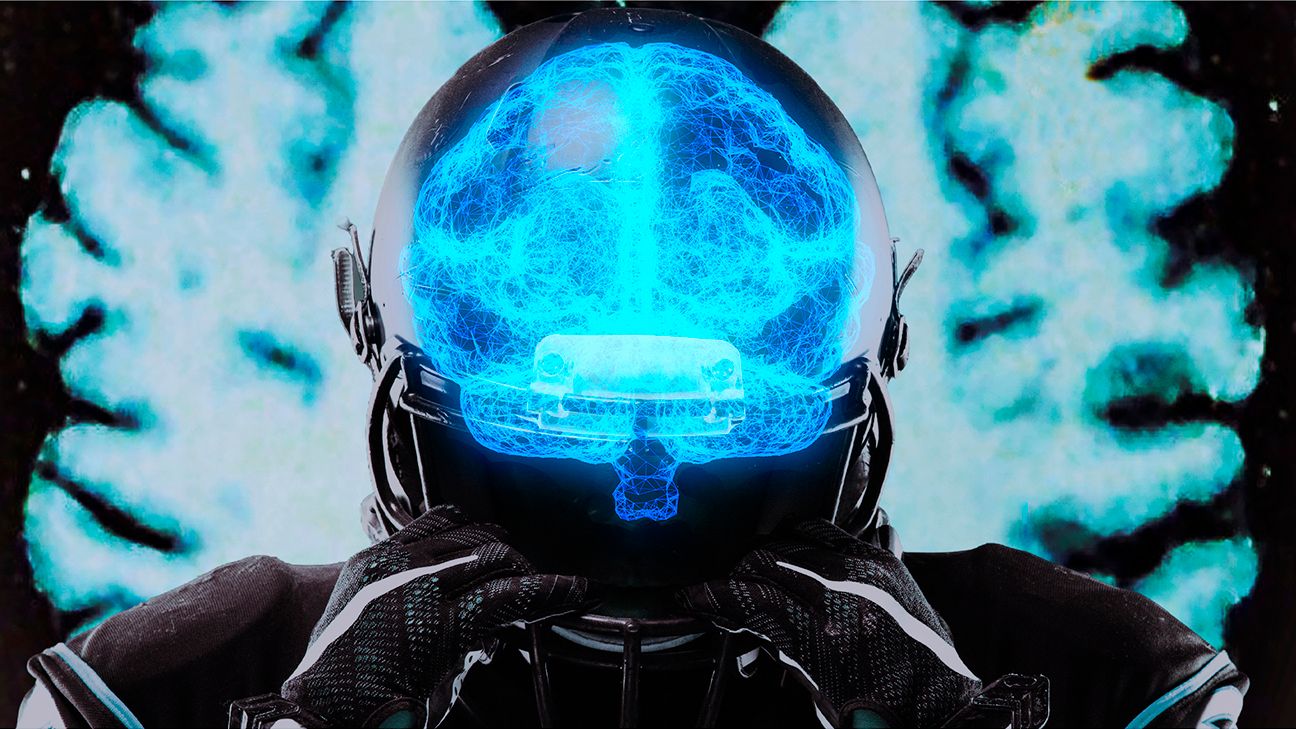
Unlike earlier generations of professional football players, today's NFL athletes have grown up with widespread public awareness of chronic traumatic encephalopathy, or CTE, a degenerative brain disease linked to repeated head trauma. ESPN surveyed more than 30 current NFL players to understand how that awareness shapes their relationship with the sport.
The players' responses varied widely, according to the report, ranging from genuine fear about the long-term effects of playing football to a sense of resignation about risks they consider an unavoidable part of the profession they chose. The survey suggests that even as scientific and public understanding of CTE has grown substantially in recent years, it has not fundamentally altered players' willingness to continue competing at the sport's highest level.
CTE can only be definitively diagnosed posthumously, and research into the condition has intensified following studies of former players' brains that found evidence of the disease at notable rates. That research has fueled broader conversations in American football about player safety, concussion protocols and the long-term health consequences of repeated hits to the head.
The ESPN survey adds to that ongoing conversation by capturing how current players, who came of age amid this heightened awareness, weigh the risks against their careers and love of the game.
Sources
EGazette summarizes reporting from multiple sources; follow the links for the originals.
Comments
Loading comments…
Related articles
Would NFL players take a test to diagnose CTE while still alive? Views are divided
Current and former NFL players offered mixed reactions when asked whether they would want to know if they have the degenerative brain disease.
Titans QB Cam Ward addresses online threats made against his family
Tennessee quarterback Cam Ward spoke out Wednesday about threats directed at his family on social media, calling the behavior strange.
Drake Maye Says Shoulder Is Not the Cause of Patriots' Offensive Struggles
The Patriots quarterback said Wednesday his throwing shoulder is fine, pointing instead to decision-making as the issue behind New England's slow start.
Marcus Mariota to Play at Tottenham for Third Time, Blending Two Football Codes
The Washington Commanders quarterback, who grew up playing soccer, returns to Tottenham Hotspur Stadium for Sunday's game against the Indianapolis Colts.
Falcons Sign Defensive Tackle Gervon Dexter Sr. to Four-Year, $78 Million Extension
Atlanta locks up Dexter with a contract that includes $46.5 million in guaranteed money, according to sources.
McVay Says NFL Confirmed Pass Interference Call Against Rams Was Wrong
Rams head coach Sean McVay says the league told the team a defensive pass interference call against cornerback Josh Wallace should not have been made.