New Research Suggests Farmed Salmon's Nutritional Value May Be Declining
A shift in the diet fed to farmed salmon is altering the fish's nutrient profile and having broader effects on the environment and climate, according to new research reported by Ars Technica.
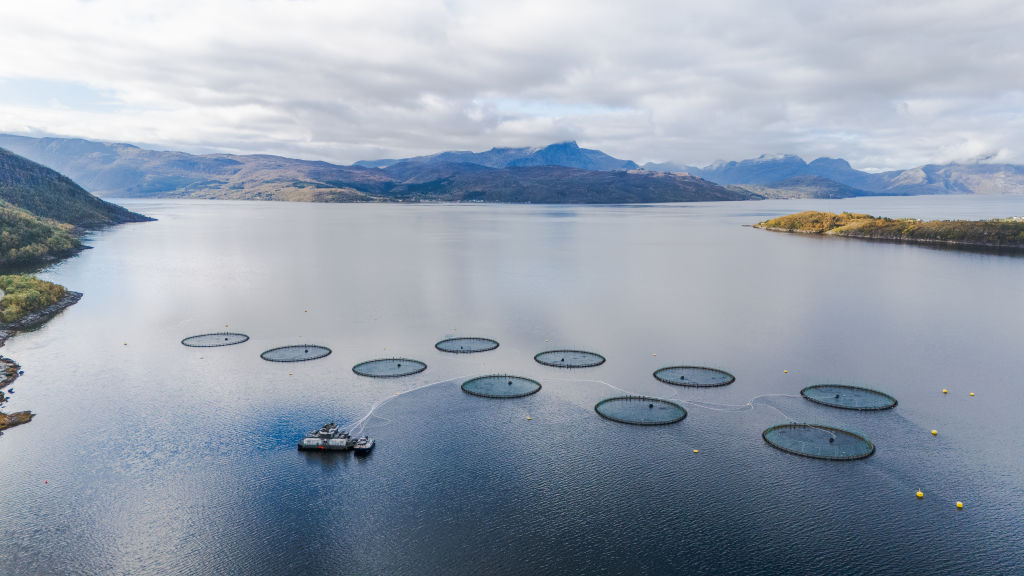
New research suggests that farmed salmon may no longer offer the same nutritional benefits it once did, according to a report published by Ars Technica.
The change is linked to shifts in what the fish are fed. Historically, farmed salmon diets relied heavily on marine-based ingredients such as fish oil and fishmeal, which are rich sources of omega-3 fatty acids widely associated with the nutritional value of salmon.
According to the report, the composition of feed used in salmon aquaculture has evolved over time, and researchers say this shift is affecting the nutrient content of the fish that eventually reaches consumers.
Beyond nutrition, the report states that changes in salmon feed formulations are having downstream consequences for the environment and climate. The research points to broader implications tied to how the aquaculture industry sources and produces feed ingredients.
Ars Technica's report does not provide exhaustive detail on the specific feed ingredients now used or precise measurements of nutrient decline, and further findings from the underlying research may clarify the scope of the changes described.
Sources
EGazette summarizes reporting from multiple sources; follow the links for the originals.
Related articles

Community investigates cause of dying ginkgo tree
A neighborhood rallies to save a beloved ginkgo tree facing an unexplained decline, investigating whether sabotage is to blame.

Prince William Urges Faster Action on Climate Solutions
The Prince of Wales told the BBC the world must "accelerate" efforts to address climate challenges as nominees for his Earthshot Prize were unveiled.

Volunteer Group Marks Ten Years Clearing Debris From UK Harbour
From an inflatable doll to a games console, members say the harbour clean-up project continues to surprise them a decade on

Black Sea Dolphin Population May Need Up to 50 Years to Recover, Environmentalist Says
Preliminary scientific estimates suggest cetacean numbers in the Black Sea, diminished by wartime hostilities, could take decades to return to prewar levels.

CDC Report Finds Fruit and Vegetable Consumption Rises With Income
New federal data brief shows persistent gap between low- and middle-income adults in access to fresh produce, as changes to food assistance and dietary guidance draw scrutiny

Michael Sheen Holds 'Constructive' Talks With Welsh First Minister Over Toxic Dumping Claims
Actor and activist Michael Sheen says an early meeting with Wales' first minister on allegations of toxic dumping was "really encouraging"
Comments
Loading comments…