New Research Reexamines Reliability of Eyewitness Memory in Criminal Cases
Scientific American reports that studies once used to question eyewitness identification are now informing methods to use such testimony more accurately.
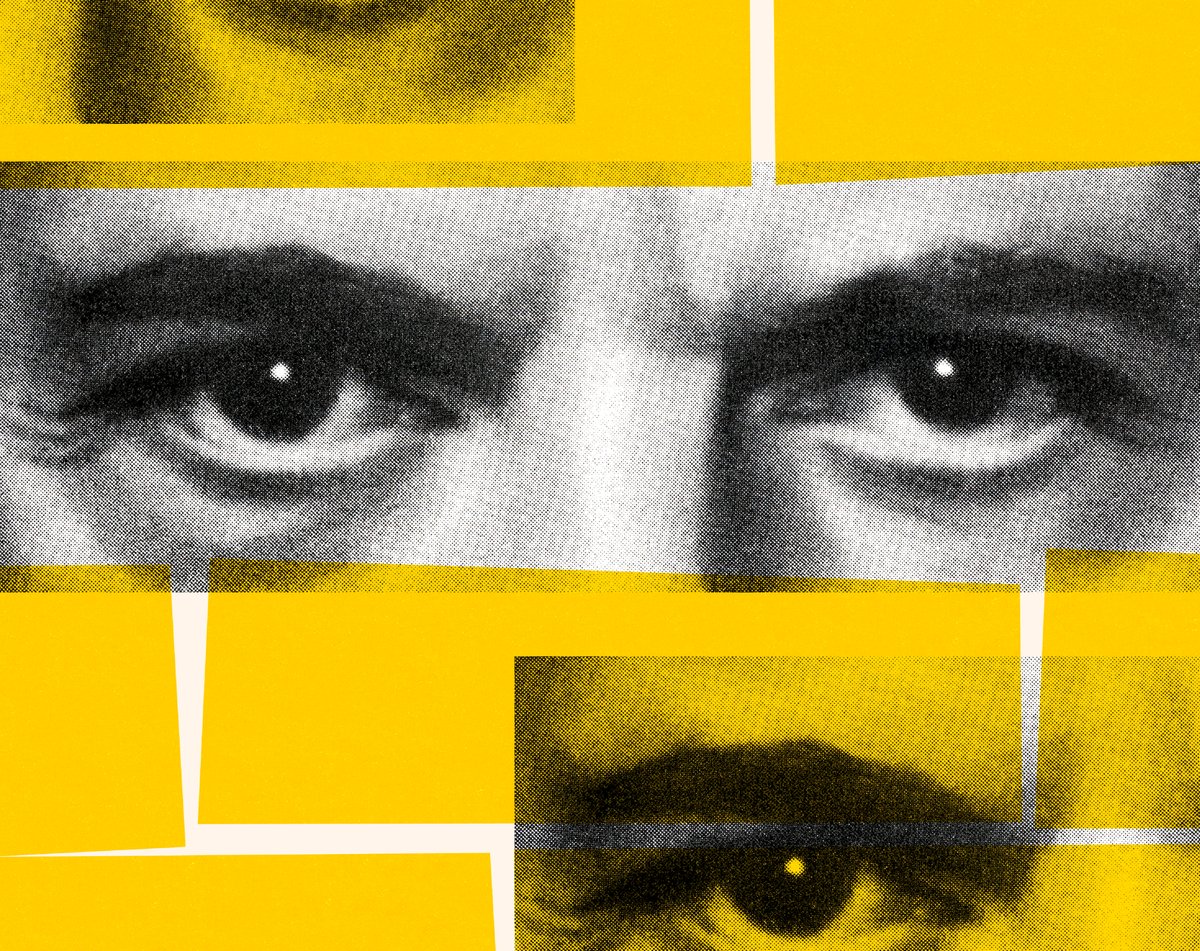
Eyewitness testimony has long played a central role in criminal investigations and trials, but for decades researchers have warned that human memory is malleable and can be distorted over time, according to a report published by Scientific American.
The publication notes that studies on the fallibility of memory previously cast significant doubt on the reliability of eyewitness identification in criminal cases. Findings showing how recollections can shift, be influenced by suggestion, or fade with time have been cited in legal and scientific circles as reasons for caution when courts rely on witness accounts.
However, Scientific American reports that newer research is offering a more nuanced picture, revealing conditions under which eyewitness memory can be harnessed accurately. This body of work, according to the report, focuses on understanding the science behind how memories are formed, stored, and recalled, with the aim of improving how investigators and courts assess witness statements.
The report frames this as a shift in the scientific conversation: rather than solely highlighting memory's unreliability, researchers are said to be identifying practices and circumstances that can make eyewitness accounts more trustworthy tools in criminal justice.
Scientific American did not provide further specifics beyond describing the general trajectory of this research in the source material reviewed for this report.
المصادر
- What eyewitness accounts tell us about the science of memory — Scientific American
يلخّص EGazette تقارير من مصادر متعددة؛ اتبع الروابط للاطلاع على الأصل.
مقالات ذات صلة
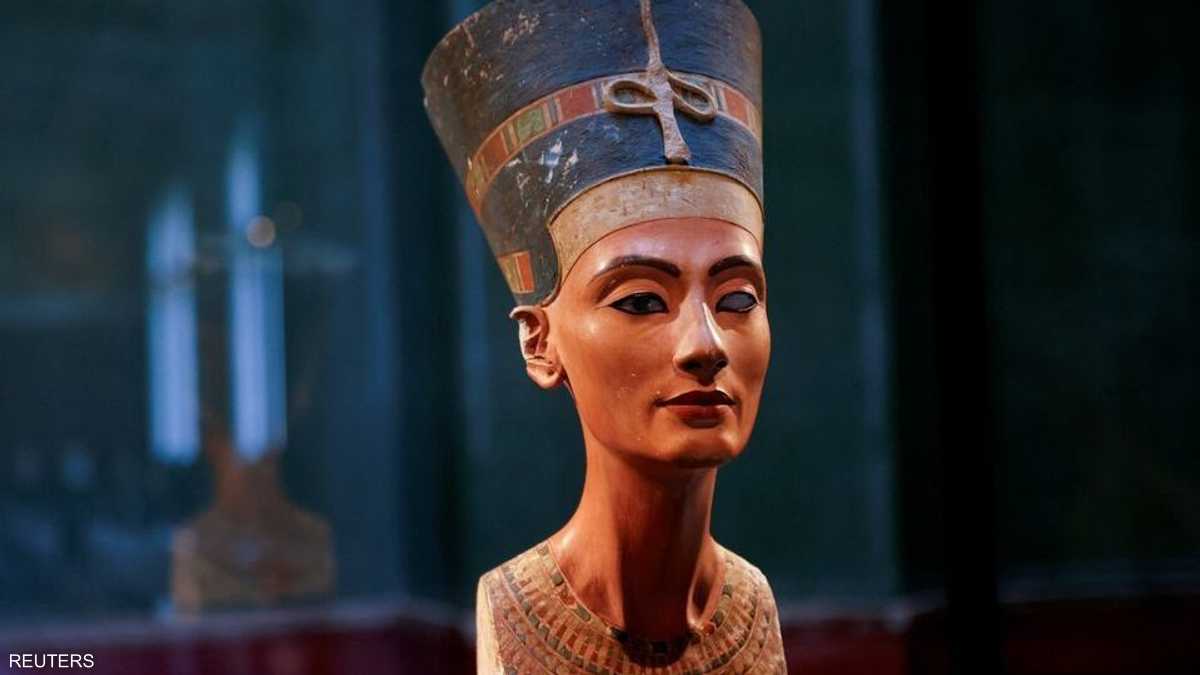
أدلة أثرية جديدة تشير إلى ممرات مخفية خلف مقبرة توت عنخ آمون
دراسة أثرية تعيد فتح ملف مقبرة الملكة نفرتيتي المفقودة بعد رصد مؤشرات على وجود حجرات وممرات غير مكتشفة خلف جدران مقبرة الفرعون الشاب في وادي الملوك
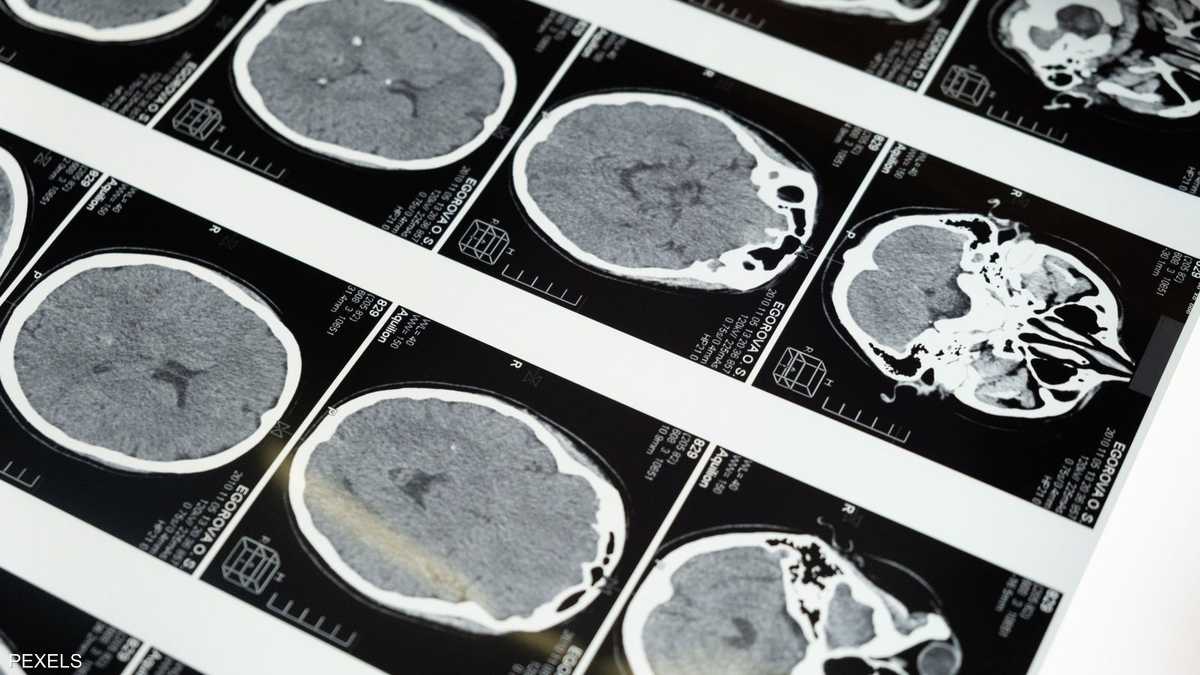
دراسة علمية: الدماغ ليس عضوا واحدا بل ينشأ من مجموعتين مختلفتين من الخلايا
باحثون يكشفون أن الدماغ الأمامي والخلفي يتطوران من أصول خلوية منفصلة منذ المراحل الأولى لتكوين الجنين، في اكتشاف قد يغير فهم تطور الدماغ البشري

فراشات الصقر الطائرة بسرعة الطيور الطنانة تظهر في منطقة ميدلاندز الغربية
تم الإبلاغ عن مشاهدات لهذه الفراشة التي تشبه الطائر، والتي غالباً ما يتم الخلط بينها وبين الطائر الطنان، في المنطقة وفقاً لقناة بي بي سي.
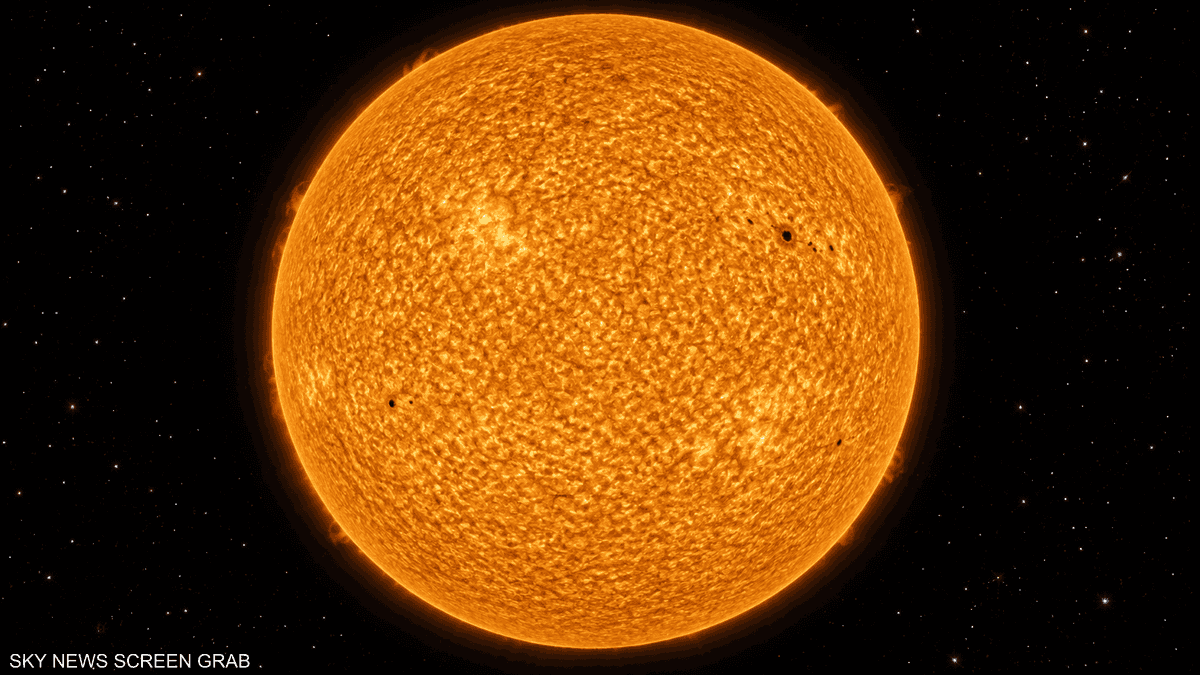
الشمس تسجل أطول فترة هدوء منذ خمس سنوات وسط تساؤلات حول تأثيرها على الأرض
رصد علماء أربعة أيام متتالية دون أي توهجات شمسية من الفئة "C" أو أعلى، في أطول فاصل هدوء من نوعه منذ ديسمبر 2021
فيروسات مصممة بواسطة الذكاء الاصطناعي تُكتشف للمرة الأولى، وأنثروبك تبلّغ عن محاولات اختراق
كشفت فريق أمريكي عن أول فيروسات تم إنشاؤها بمساعدة الذكاء الاصطناعي، بينما أبلغت شركة أنثروبك عن محاولات استخدام نماذجها بطرق خطيرة
ترند "الفيرومون" على تيك توك: هل يجعل تقليل الاستحمام الجسم أكثر جاذبية؟
انتشر بين بعض الشباب على منصة تيك توك ترند يُعرف باسم "Pheromone Maxxing" يدعو إلى تقليل الاستحمام والتخلي عن مزيل العرق بزعم زيادة الجاذبية الطبيعية، فماذا يقول العلم عن هذه الفكرة؟
Comments
Loading comments…