New Register Documents State-Backed Role of British Political Parties in Slave Trade
A newly published register of British slave traders shows Tory and Whig MPs—forerunners of today’s Conservatives and Liberal Democrats—were central to financing and opposing abolition of the transatlantic slave trade, according to The Guardian.
A newly published Register of British Slave Traders documents thousands of investors involved in Britain’s nearly 250-year participation in the trafficking of more than 3 million enslaved African people, according to a report by The Guardian.
The register, described by the newspaper as the most comprehensive record of its kind to date, shows that the transatlantic slave trade was a state-backed operation supported by both major political parties of the era—the Tories and the Whigs, described as the historical forerunners of today’s Conservative and Liberal Democrat parties.
According to The Guardian’s reporting, Tory and Whig members of parliament played central roles in funding the trafficking of enslaved people, and many members of both parties opposed the abolition of the slave trade when it was debated in Britain.
The report notes what it characterizes as a broader British cultural tendency to commemorate the abolition of slavery without fully acknowledging the extent to which the country itself enslaved and trafficked millions of African people over centuries.
The Guardian’s article, part of its ongoing coverage of Britain’s historical involvement in slavery, presents the register as evidence that participation in and support for the slave trade extended into the highest levels of political power at the time, cutting across party lines that persisted for generations.
Further details on the scope, methodology, and specific individuals named in the register were outlined in The Guardian’s original reporting.
Sources
- How enslavement became state-backed operation supported by Conservative and Lib Dem forerunners — The Guardian — Politics
EGazette summarizes reporting from multiple sources; follow the links for the originals.
Related articles
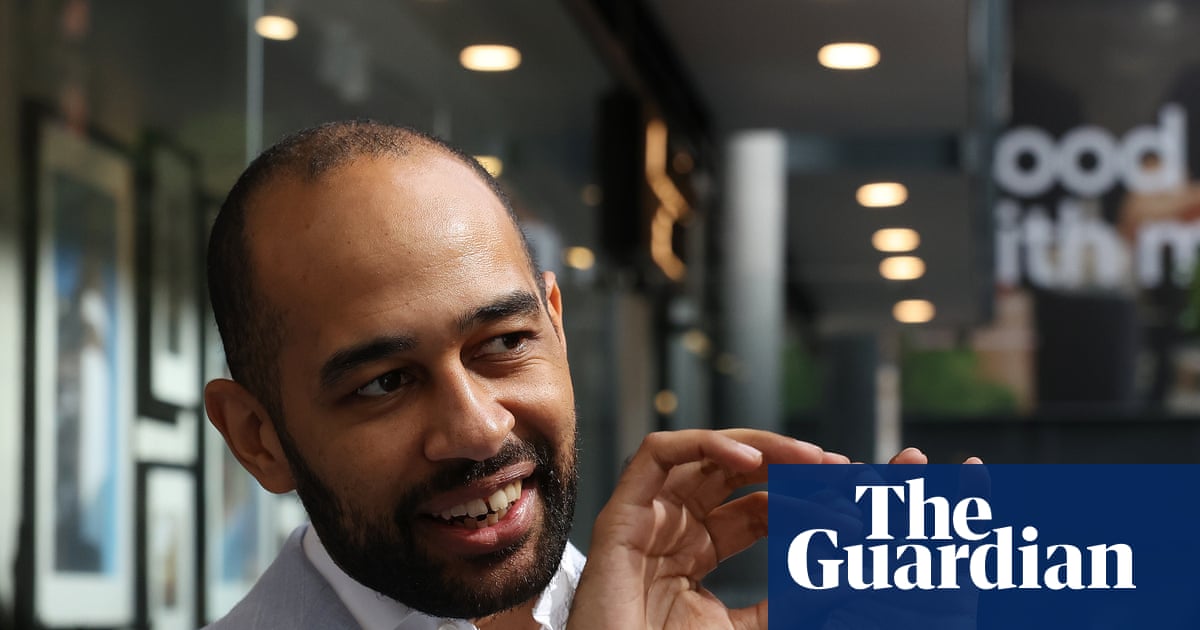
Lib Dem President Josh Babarinde Calls for Party to ‘Flip the Table’ Ahead of Brighton Conference
Babarinde says the Liberal Democrats must target big tech and cryptocurrency billionaires while redistributing power and money to the public, according to the Guardian.
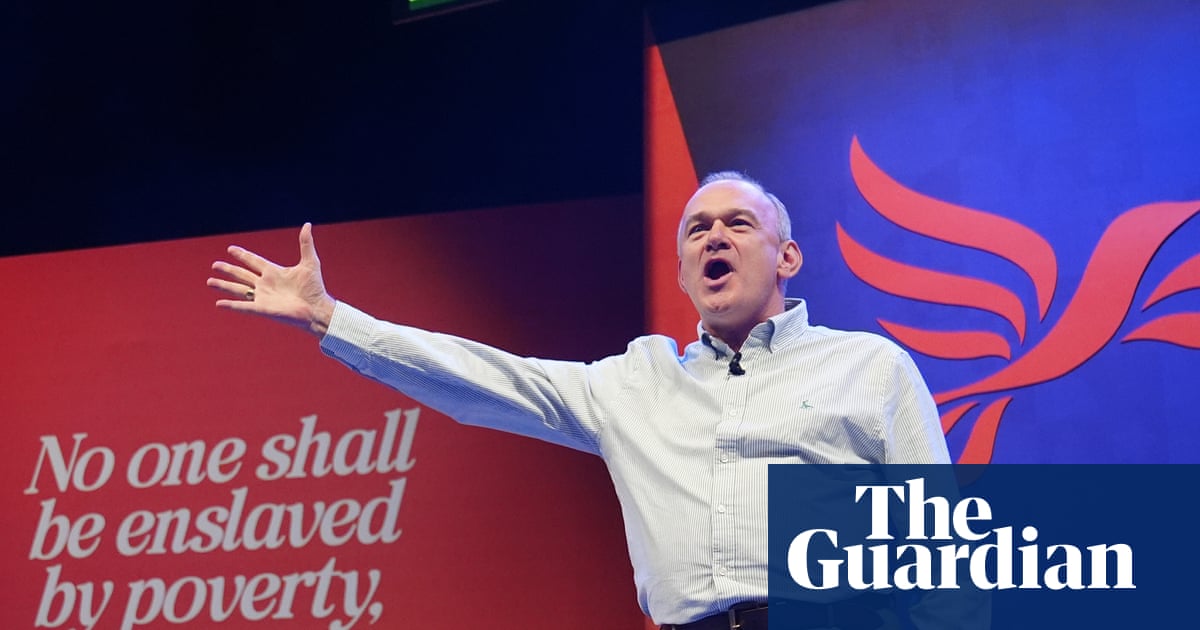
Ed Davey Targets Reform UK and Elon Musk in Lib Dem Conference Speech
Liberal Democrat leader vows party "won't give up the fight" against what he called "nasty populism" as annual conference opens in Brighton
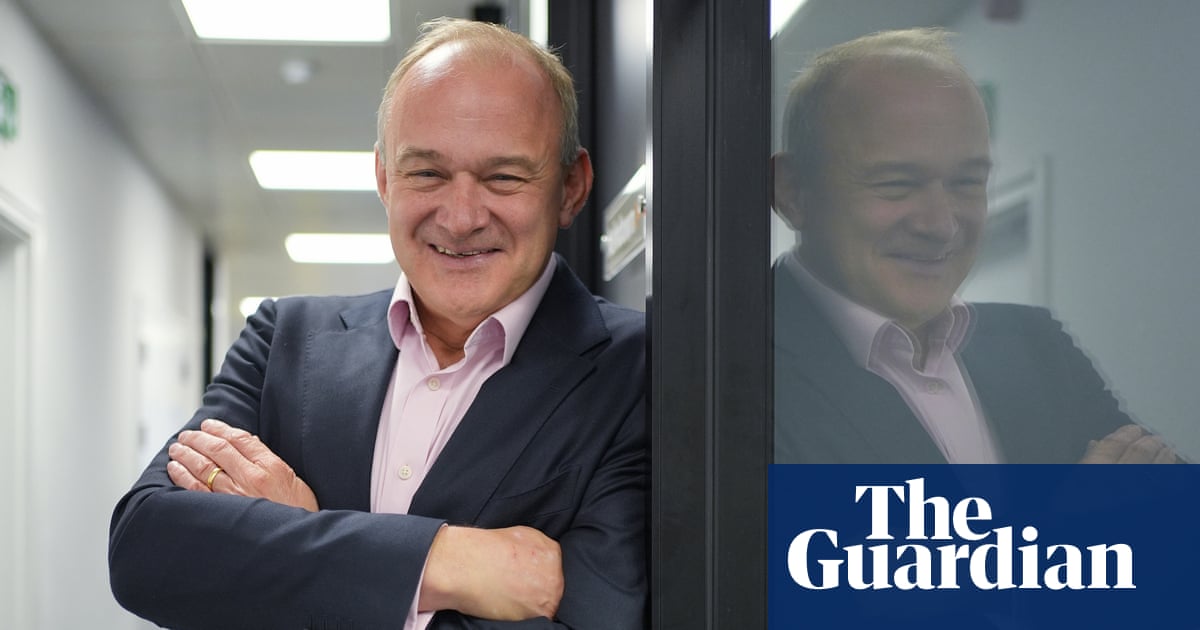
Lib Dems Prepare Manifesto for Possible Snap Election, Davey Cites ‘Moral Responsibility’ to Block Reform
Liberal Democrat leader Ed Davey says his party is readying for an early poll and defends its strategy despite static ratings and internal MP frustrations

Lib Dem MPs Split Over Leader's Approach Ahead of Party Conference
BBC Politics reports internal debate within the Liberal Democrats over whether leader Ed Davey should adopt a more radical stance as the party gathers for its annual conference.
Guardian Column Notes Badenoch-Signed Cocktail Offered as Conservative Conference Raffle Prize
A satirical Guardian feature on the week's political goings-on highlights a BuzzBallz drink autographed by Tory leader Kemi Badenoch, alongside unrelated musings on Bruce Springsteen's nightwear.

Badenoch Brings In Lawyers Over Wandsworth's 94% Council Tax Rise
A dispute has escalated over a sharp council tax increase in the Conservative-run London borough, with the local authority blaming central government funding cuts.
Comments
Loading comments…