New Documentary Reassesses James McNeill Whistler’s Art Beyond His Scandals
A review of the latest Exhibition on Screen film says it balances the painter’s colourful reputation with close attention to the artistry behind his work
A new documentary on the American-born painter James McNeill Whistler has been reviewed by The Guardian’s film critic, who said the film succeeds in balancing accounts of the artist’s well-known scandals with detailed examination of his artistic technique.
The documentary, part of the Exhibition on Screen strand, is timed to coincide with a gallery show at Tate Britain dedicated to Whistler, which the review notes is due to close at the end of September.
According to the review, the film traces major episodes in Whistler’s life, including his move to London, the painting of his famous portrait known as Whistler’s Mother, controversy over his decorative Peacock Room, and his libel action against critic John Ruskin. That case, the review recalls, ended with Whistler being awarded a farthing in damages, a judgment that contributed to his subsequent bankruptcy.
The review states that the documentary features commentary from several art historians and critics, including Tate curator Carol Jacobi, critic Rachel Campbell-Johnston, and art historian Stephen Calloway. The reviewer noted that Calloway’s style of dress appeared to reflect an affinity with Whistler’s own aesthetic sensibility.
Per the review, the interviewees in the film emphasise that Whistler’s carefully constructed public persona was as central to his artistic identity as his paintings themselves, given his consistent efforts to attract public attention throughout his career.
The review also highlights the documentary’s attention to specific works, including Whistler’s painting of the Thames dock scene known as Wapping, and his portrait titled Harmony in Grey and Green, which depicts eight-year-old Cicely Alexander. The reviewer noted that the film describes the difficult sittings behind the creation of that portrait.
The review further observes that while Whistler’s personal relationships with women in his life might not withstand contemporary scrutiny, the film argues that his portraits of them remain artistically significant, with particular attention given to specific examples in the documentary.
The reviewer concluded that despite some reservations about Whistler’s self-presentation, the documentary effectively conveys what it describes as the painter’s "instinctive brilliance" and his forward-thinking approach to art.
Sources
- James McNeill Whistler review – painter’s work shines through attention-grabbing life story — The Guardian — Culture
EGazette summarizes reporting from multiple sources; follow the links for the originals.
Related articles

Ukraine Signs Council of Europe Convention on TV Series Co-Production
The agreement, signed during the Carpathian Summit, is intended to open new opportunities for Ukrainian involvement in European television production.
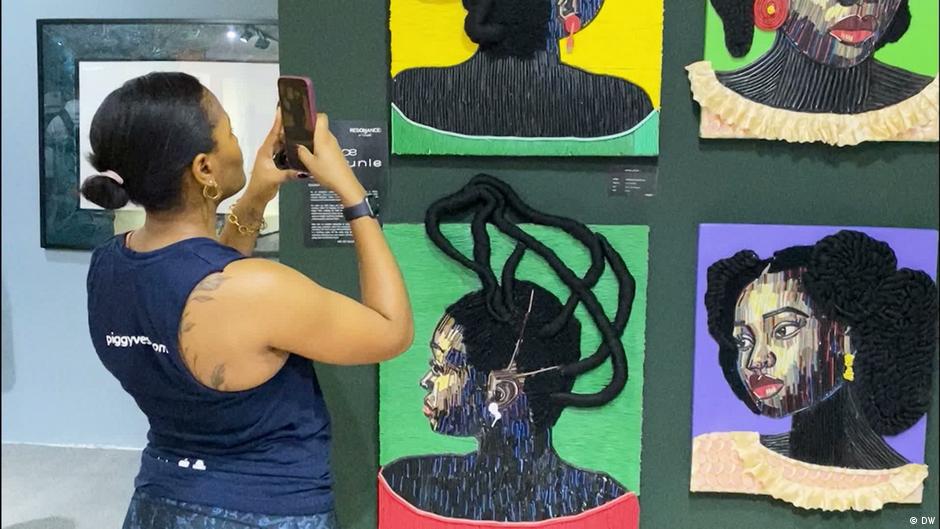
UN Resolution and New Initiatives Aim to Correct Global Perceptions of Africa
Efforts including a push to redraw the world map, school curriculum reforms and awareness campaigns seek to present a more accurate and positive image of the African continent, according to Deutsche Welle.
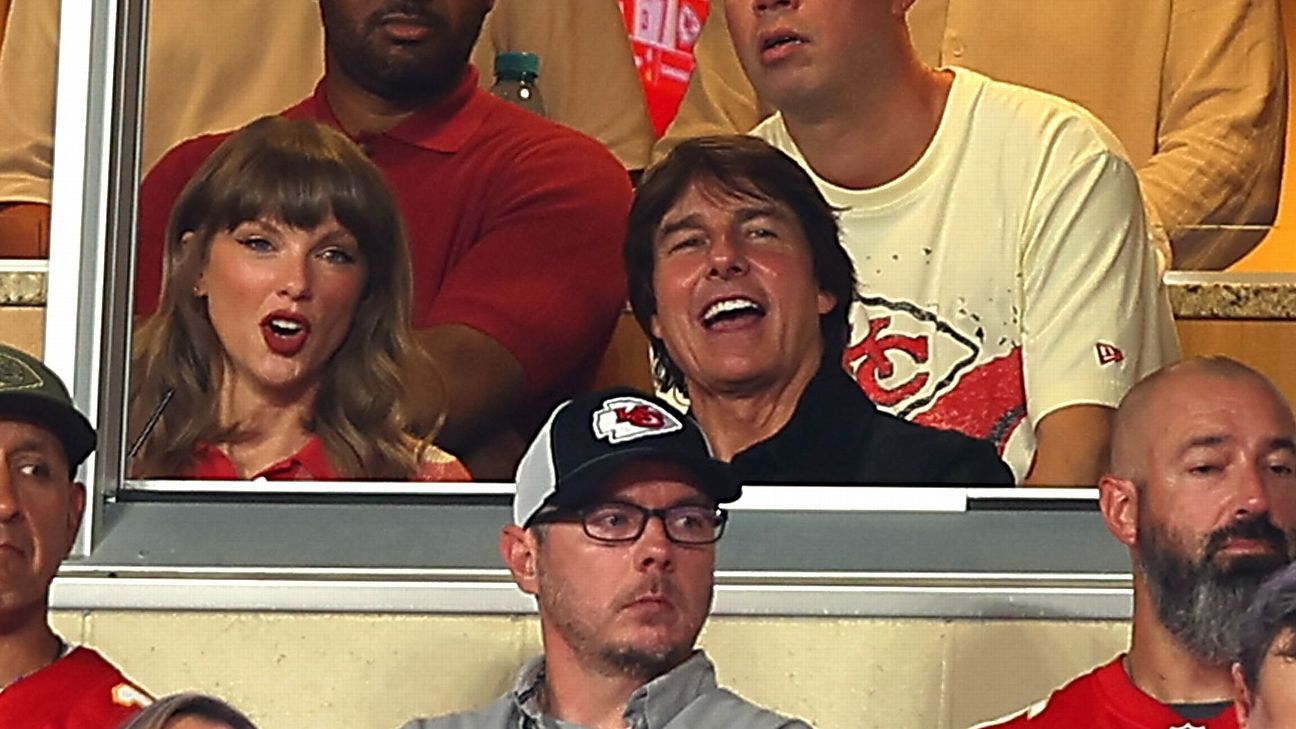
Taylor Swift, Tom Cruise Seen Sharing Suite at Arrowhead Stadium
The pop star and the actor were reported to have sat together while watching Kansas City Chiefs tight end Travis Kelce play.

New £1m grant launched to help communities protect green spaces
Fund aims to support local groups safeguarding threatened wildlife sites and green spaces, according to a BBC report.

Volunteer Group Marks Ten Years Clearing Debris From UK Harbour
From an inflatable doll to a games console, members say the harbour clean-up project continues to surprise them a decade on

Ed Sheeran Addresses Macklemore Controversy at Concert, Fans React
Singer told a cheering crowd he had made mistakes after rapper Macklemore was dropped from his tour following pro-Palestinian remarks, BBC News reported.
Comments
Loading comments…