New Book Traces How US Missteps Helped Pave Way for Iran's Islamic Revolution
Journalist and author Scott Anderson's newly translated book examines the history of US-Iran relations and Washington's failure to anticipate the 1979 revolution.

A newly translated book by American journalist, war correspondent and author Scott Anderson is drawing attention in France for its account of the Iranian revolution and the decades of turbulent relations between Washington and Tehran that followed. The book, translated into French and published by Editions Saint-Simon under the title 'Comment l'Amerique a donne l'Iran aux Mollahs' ('How America Gave Iran to the Mullahs'), was discussed by Anderson himself in an interview with France 24.
According to the broadcaster, the book recounts the events surrounding Iran's 1979 revolution and examines the history of US-Iranian relations through that lens. Central to Anderson's account is the argument that the American administration at the time badly misjudged the political currents building inside Iran, failing to anticipate that a religious revolution was taking shape that would ultimately topple the US-backed monarchy and reshape the country's relationship with the West for generations.
Anderson, known for his war reporting and historical narrative writing, has built a career examining pivotal moments in Middle Eastern and international history. His latest work situates the Iranian revolution within a broader narrative of American foreign policy missteps, arguing that a lack of understanding of Iran's internal dynamics contributed to an outcome that Washington did not foresee and struggled to respond to.
The Iranian revolution of 1979 remains one of the most consequential events in the modern history of the Middle East, ending the rule of Shah Mohammad Reza Pahlavi and installing a theocratic government under Ayatollah Ruhollah Khomeini. The upheaval triggered the US hostage crisis and set the stage for decades of hostility between Tehran and Washington that continues to shape regional and global politics today.
The book's French translation and Anderson's accompanying media appearances come as US-Iran relations remain a subject of ongoing international attention, with the historical episode still frequently invoked in discussions of how the two countries arrived at their current, often adversarial, relationship.
Sources
- "Comment l'Amérique a donné l'Iran aux Mollah", un livre de Scott Anderson — France 24 — Français
EGazette résume des articles de plusieurs sources ; suivez les liens pour les originaux.
Articles liés
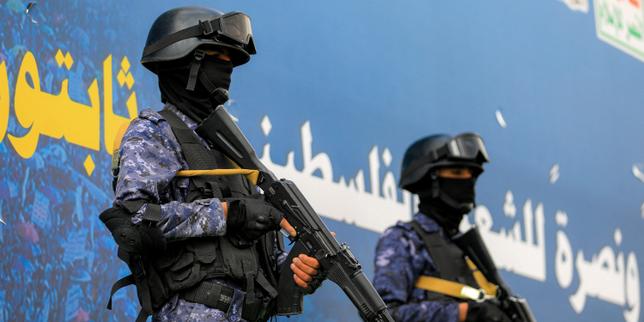
L'Arabie saoudite intercepte six missiles balistiques tirés depuis le Yémen, Téhéran nie tout contrôle sur les houthistes
Le président iranien Massoud Pezeshkian affirme que les houthistes sont « responsables de leurs propres actes ».
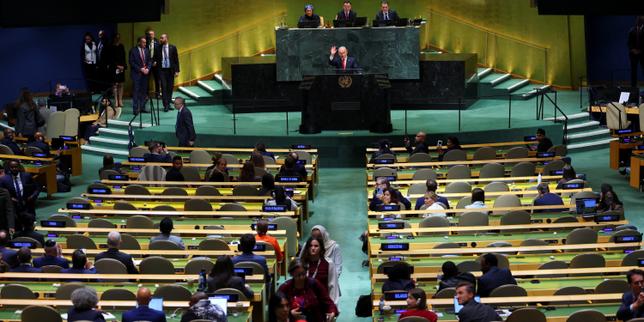
À l'ONU, Benyamin Netanyahou rejette les critiques contre Israël et minimise les violences des colons en Cisjordanie
Le premier ministre israélien a affirmé avoir empêché, avec les États-Unis, l'Iran de développer des armes nucléaires qu'il a qualifiées de menace pour Israël et pour le monde.
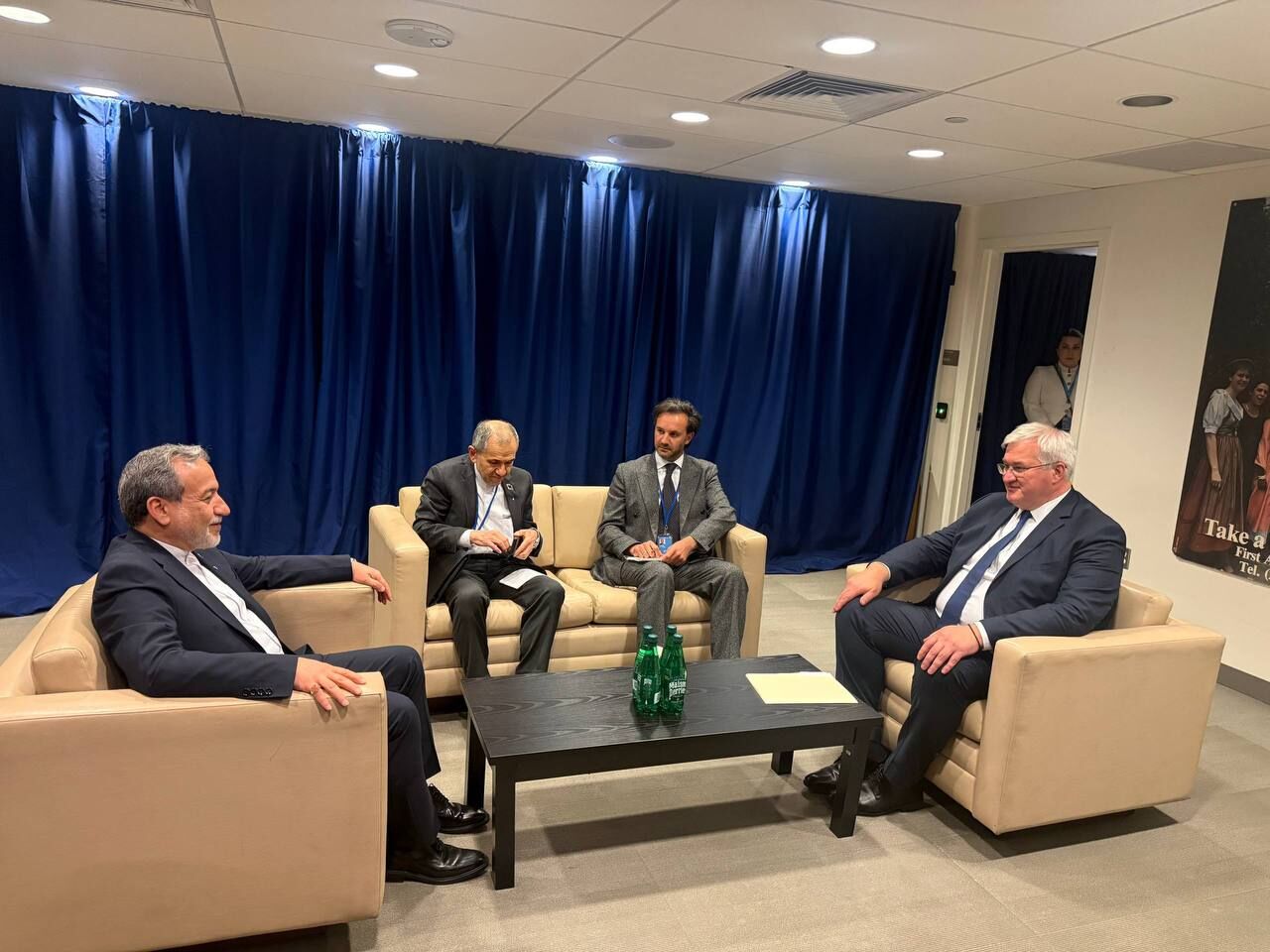
Le ministre iranien des Affaires étrangères évoque l'attaque contre un navire en mer Caspienne avec son homologue ukrainien
Abbas Araghchi a soulevé l'incident impliquant un navire iranien en mer Caspienne lors d'entretiens qui ont également porté sur les liens bilatéraux et la sécurité régionale.

En bref : Iran : "une période marquée par une incertitude totale" (Stéphanie Roza)
Le reportage de France 24 — Français résume les principaux éléments disponibles, en maintenant les affirmations attribuées à leurs sources.
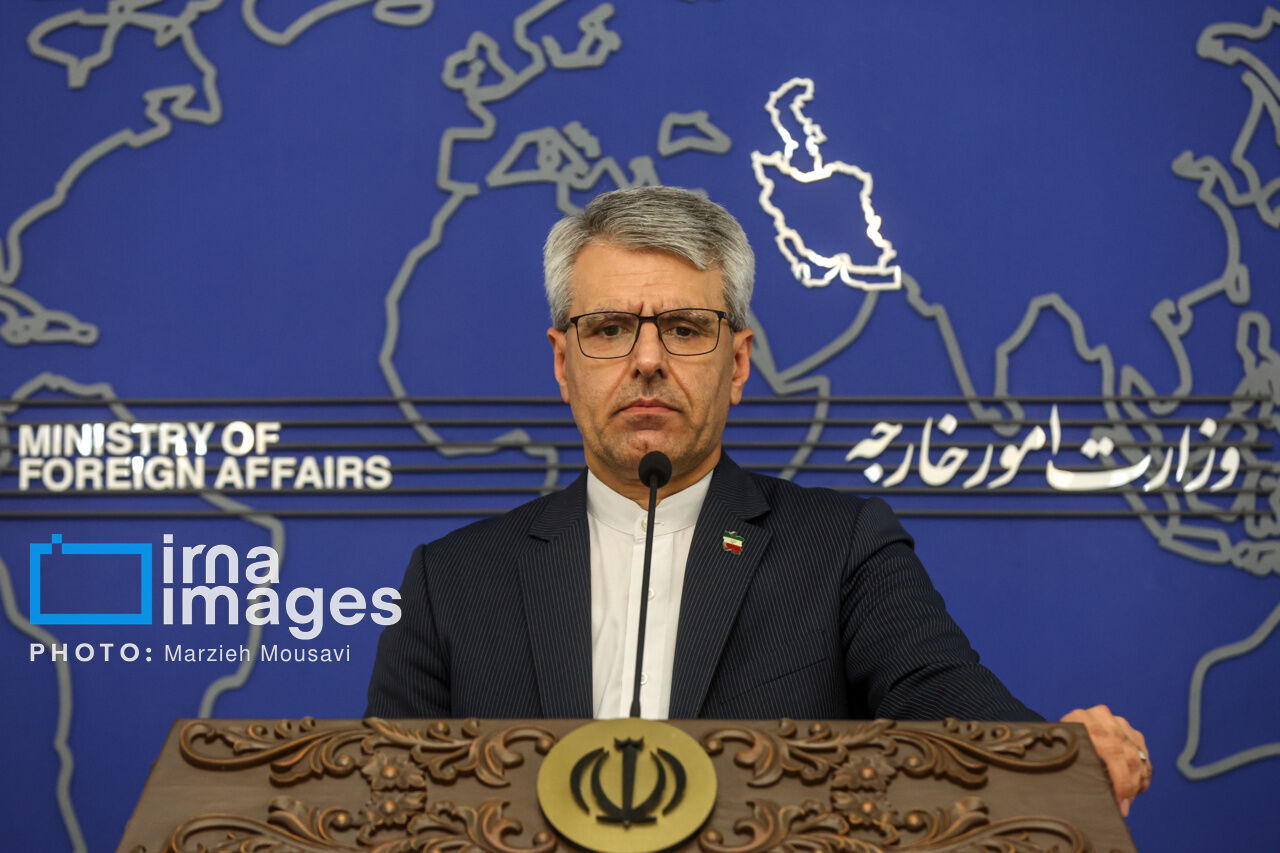
Le porte-parole du ministère iranien des Affaires étrangères critique les pays qui s'alignent sur la pression américaine
Le porte-parole du ministère iranien des Affaires étrangères a déclaré que les nations cherchant refuge sous la puissance américaine constateraient que la soumission n'offre aucune protection, dans des propos visant le Premier ministre canadien.
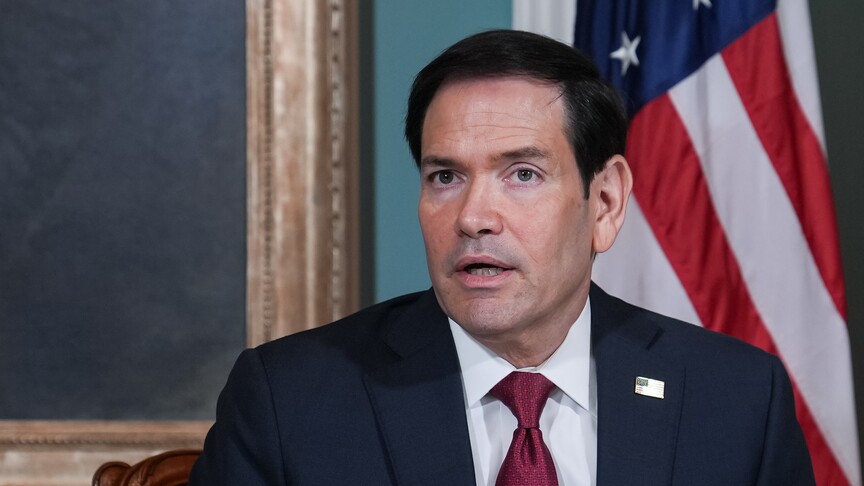
Rubio affirme que l'Iran se méprend sur la politique américaine en attendant les élections de mi-mandat
Le secrétaire d'État américain a déclaré qu'un résultat des élections de mi-mandat en novembre n'empêcherait pas le président Trump d'imposer des sanctions ou d'employer la force militaire contre Téhéran.
Comments
Loading comments…