NASA Uses Integrated Medical Model to Plan for Astronaut Health on Moon and Mars Missions
The decision-support tool helps NASA anticipate medical risks tied to cosmic radiation, microgravity and long-duration spaceflight, according to the agency.

NASA has developed a decision-support tool called the Integrated Medical Model (IMM) to help prepare for the medical challenges astronauts may face during long-duration missions to the Moon and Mars, according to a report published by NASA.
Planning crewed missions beyond Earth orbit requires accounting for a range of health risks unique to deep space travel, NASA said. These include exposure to cosmic radiation, the physiological effects of microgravity, and the challenges posed by being far from Earth-based medical care.
To anticipate these needs in advance, NASA said it created the IMM as a tool that uses data and modeling to support planning for astronaut health during missions. The agency described the model as part of its broader effort to prepare for the medical realities associated with extended space travel.
NASA's announcement did not provide additional technical details on the model's specific methodology or how it will be applied to upcoming missions. The agency has previously outlined plans for crewed missions to the Moon under its Artemis program, with Mars identified as a longer-term goal.
NASA said the IMM reflects ongoing efforts to address the health considerations associated with human spaceflight as the agency works toward missions beyond low Earth orbit.
Sources
- NASA’s Integrated Medical Model (IMM) — NASA Breaking News
EGazette summarizes reporting from multiple sources; follow the links for the originals.
Related articles
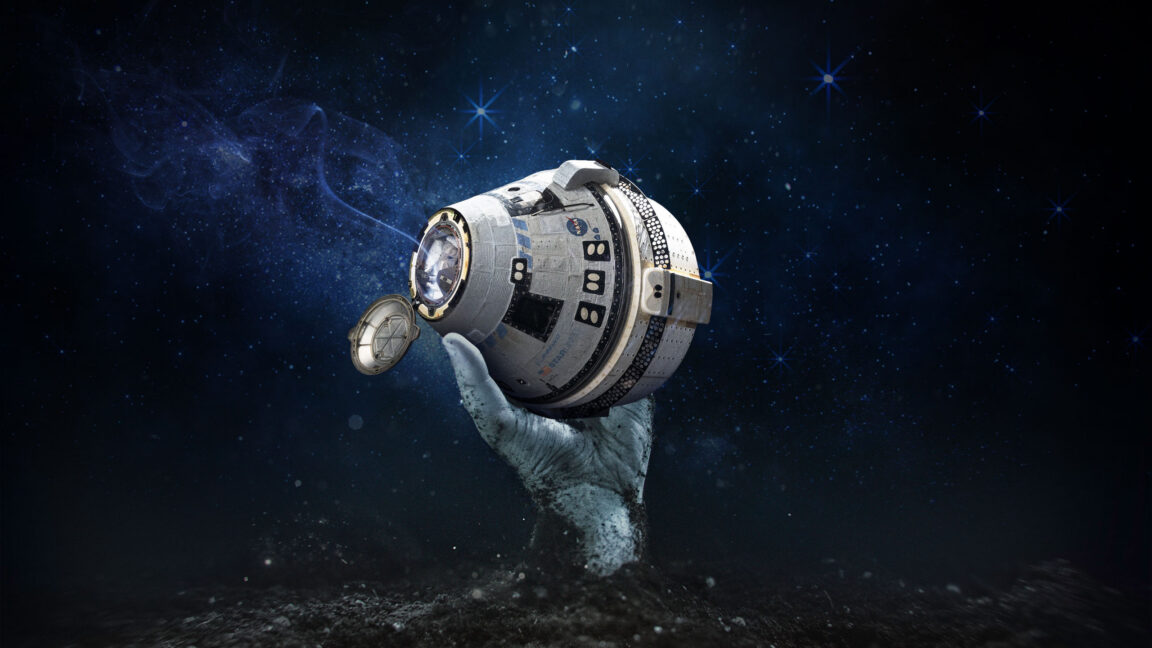
NASA Reportedly Set to Expand Boeing Starliner's Role After Troubled Start
Report says space agency plans more missions for the capsule and will help certify a new rocket to keep it flying, despite earlier setbacks.
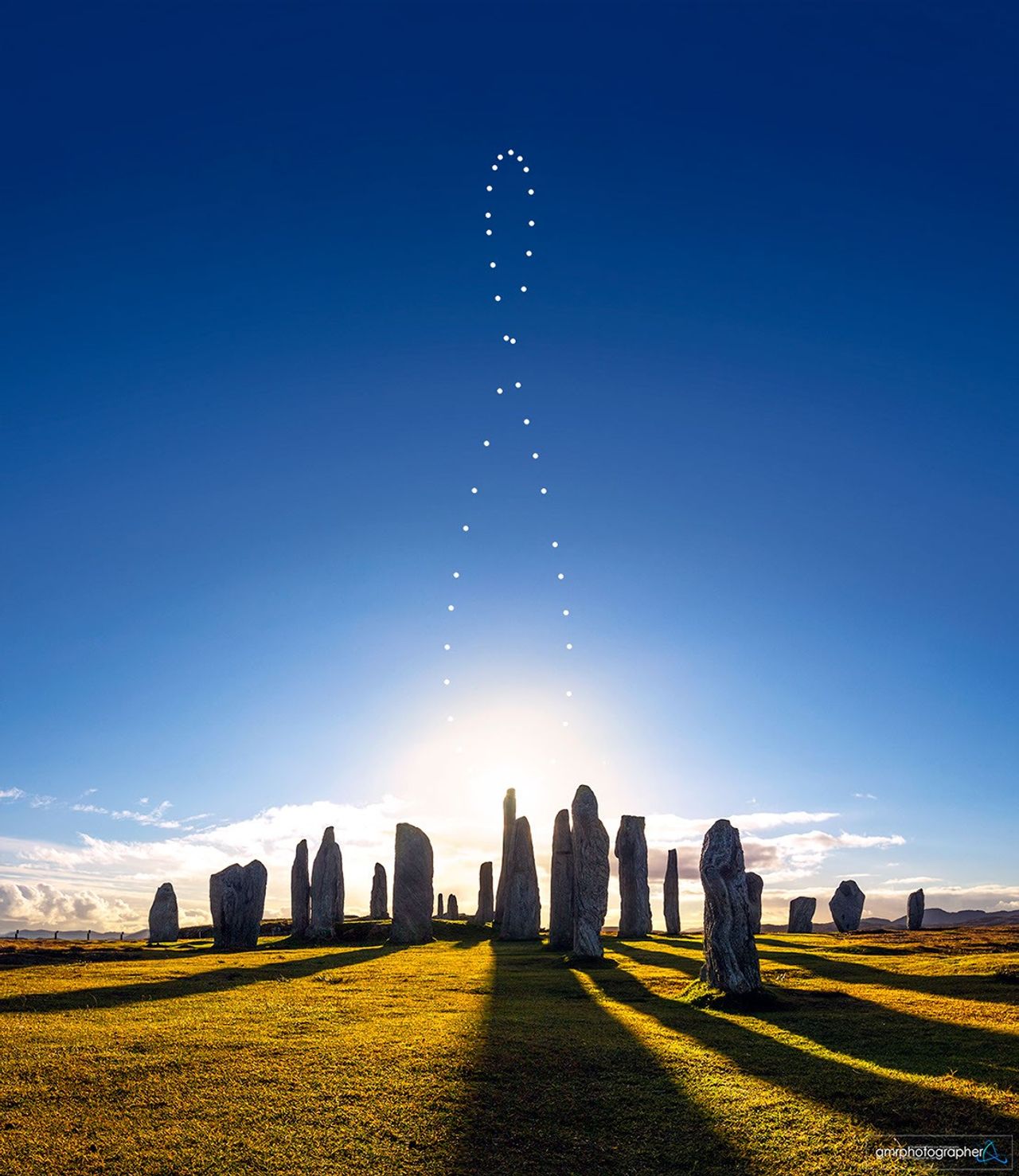
NASA's Astronomy Picture of the Day Features Analemma Over Scotland's Callanish Stones
The September 20, 2026 edition of NASA's long-running APOD series highlights a composite image showing the sun's yearly path above the ancient Callanish Stones.

BBC's 'Tech Now' Follows NASA Scientists Studying Solar Eclipse in Iceland
A new episode of the BBC technology programme features reporter Adrienne Murray accompanying NASA researchers examining a rare total solar eclipse.
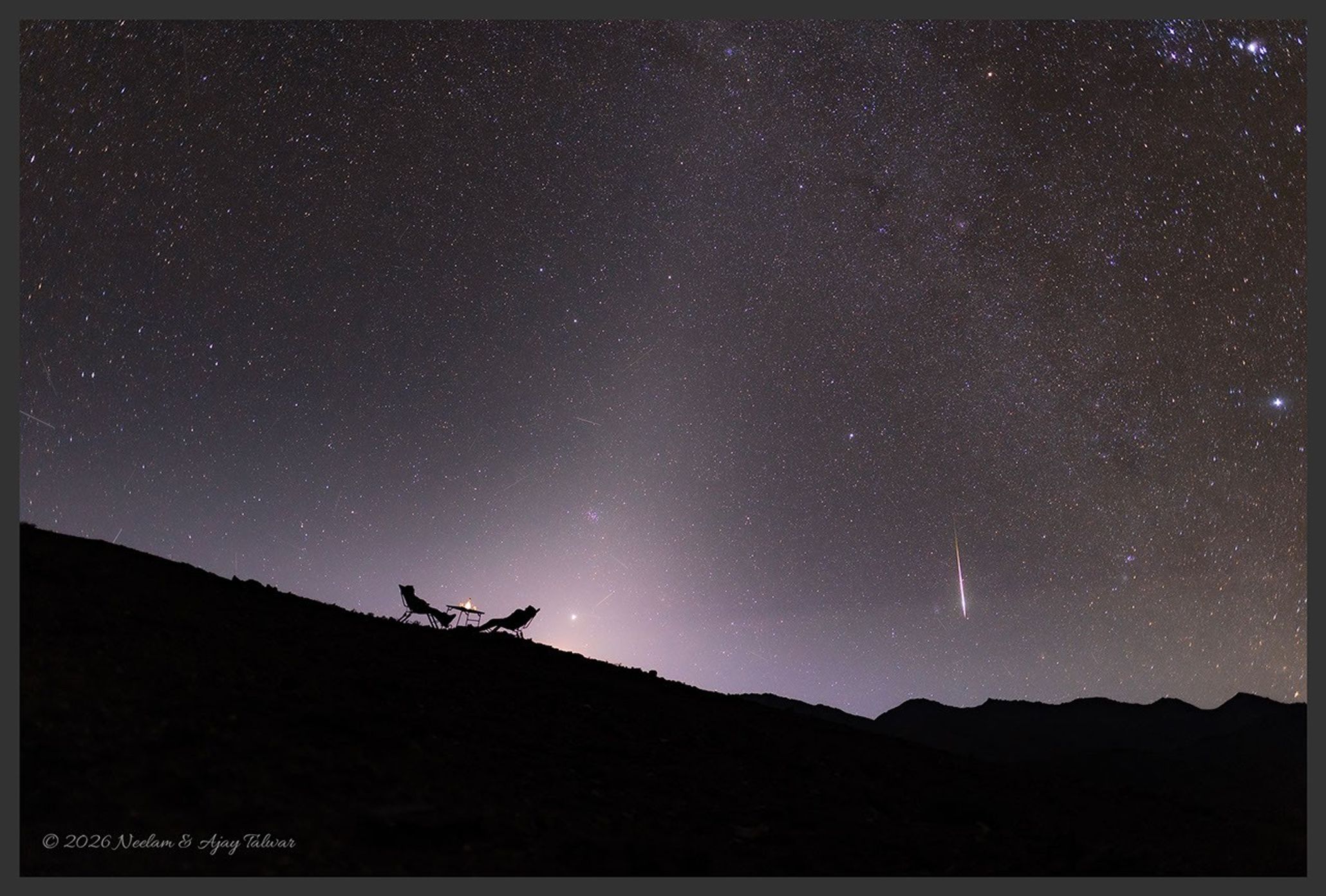
NASA’s Astronomy Picture of the Day to Feature “A Zodiacal Night” on September 19, 2026
The long-running NASA APOD series is set to showcase a night-sky image highlighting the zodiacal light, according to the program’s website.
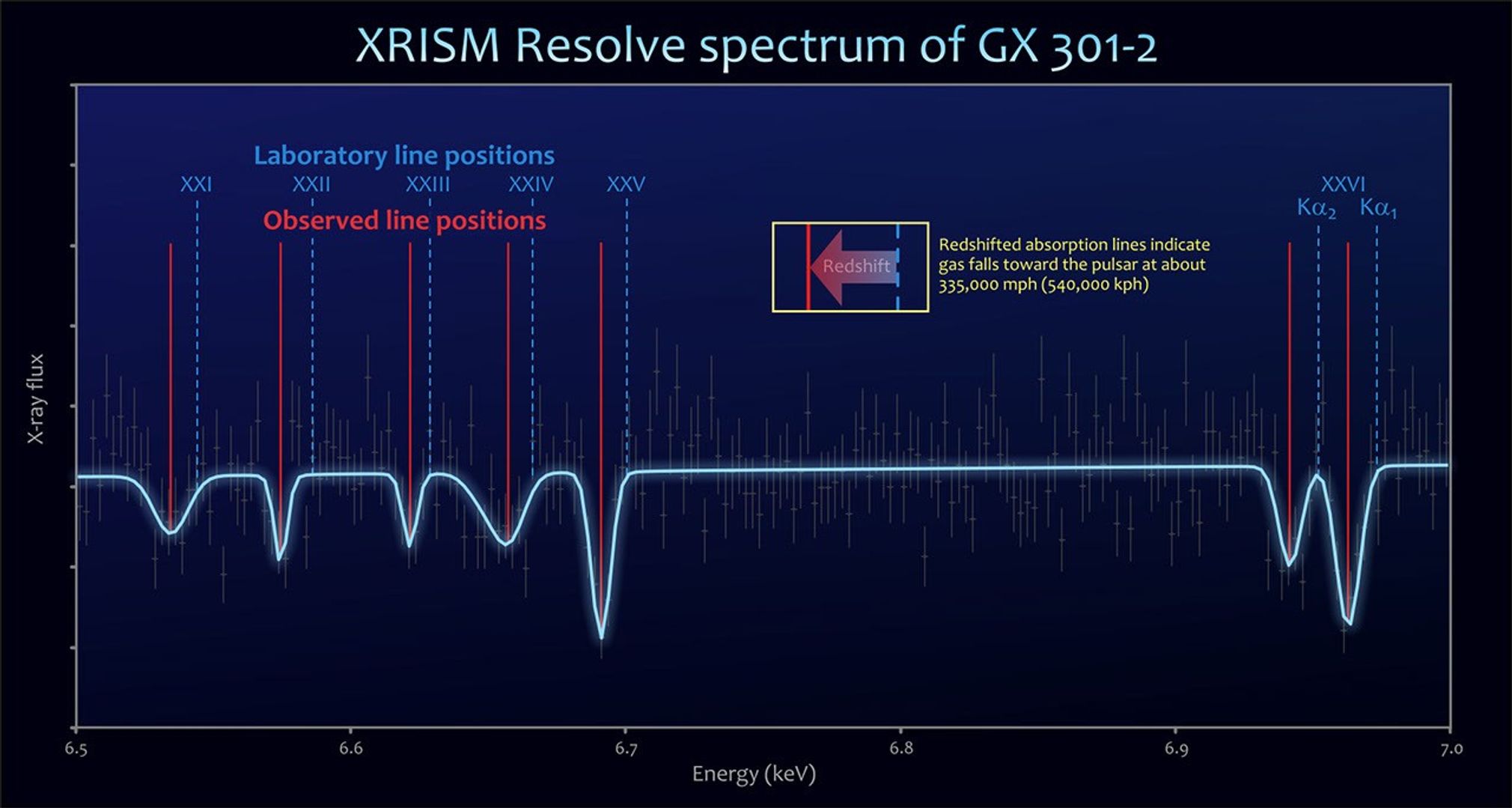
XRISM Mission Observes Pulsar Capturing Stellar Wind From Companion Star
Astronomers using the Japan-led XRISM X-ray observatory say they have directly observed a giant star's outflow being captured by a compact companion, powering intense X-ray flares.
NASA Awards SpaceX Three Additional Crew Missions to Space Station
Contract modification extends SpaceX’s role in ferrying astronauts to the International Space Station under NASA’s Commercial Crew Program
Comments
Loading comments…