NASA's Webb Telescope Captures Sweeping View of Star-Forming Region IC 348
One of the largest images yet released from the James Webb Space Telescope reveals brown dwarfs as light as twice Jupiter's mass in a nearby stellar nursery.
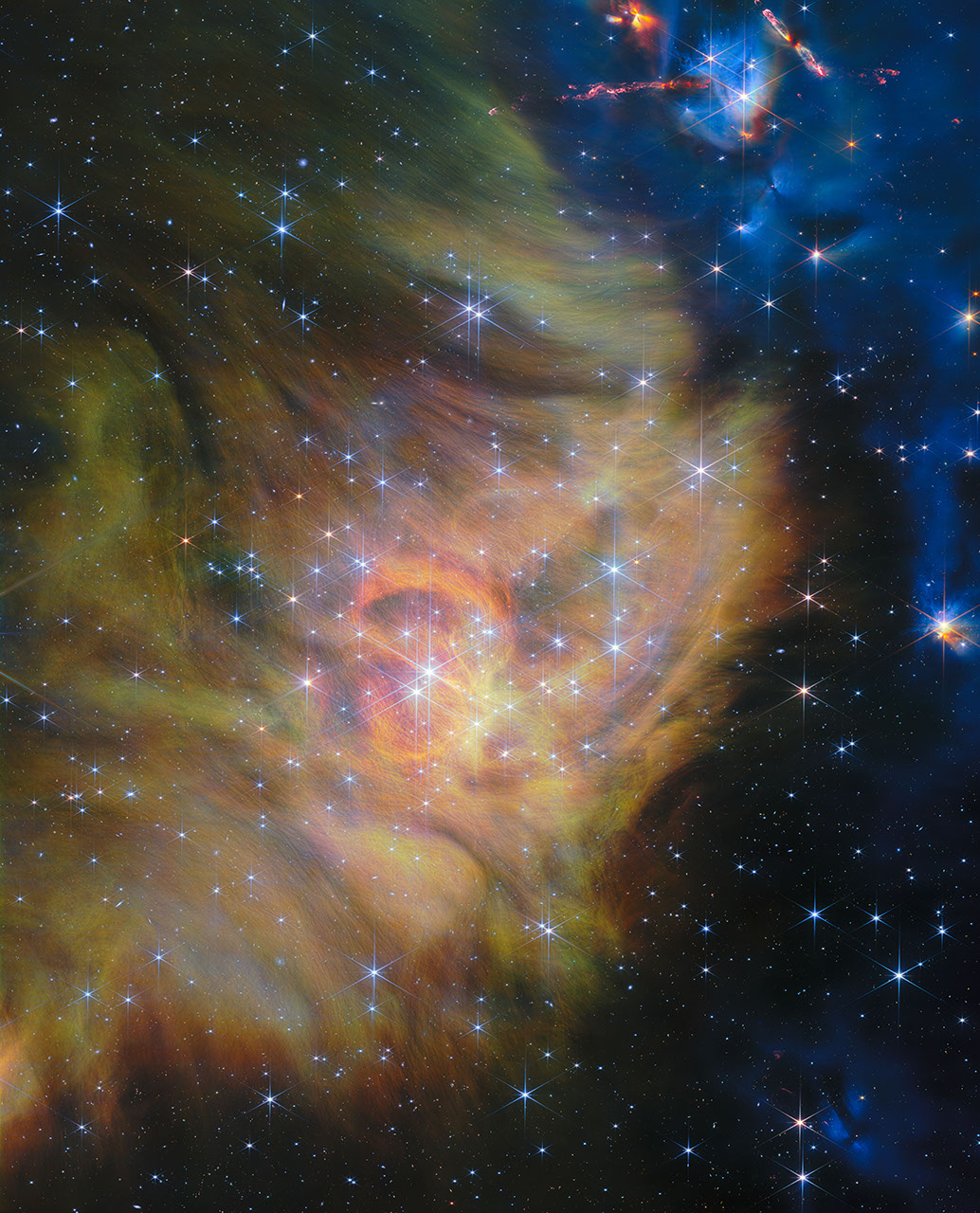
NASA has released a new panoramic image from the James Webb Space Telescope showing the star-forming region IC 348, according to NASA Breaking News. The agency described the image as one of the largest released to date from the Webb mission.
IC 348 is a nearby region of active star formation that astronomers have used to search for brown dwarfs, celestial objects that are less massive than the smallest true stars, NASA said.
According to NASA, researchers using Webb discovered brown dwarfs with masses as low as roughly twice that of Jupiter within the region. NASA said this finding extends the known range of such low-mass objects.
The observations are part of ongoing efforts by astronomers to study star formation processes and to better understand the boundary between planets, brown dwarfs and stars, NASA said.
NASA did not provide additional details in the excerpt regarding the specific instruments used or the timeline for further analysis of the data.
Sources
- NASA’s Webb Reveals Dynamic Panorama of Star Formation — NASA Breaking News
EGazette summarizes reporting from multiple sources; follow the links for the originals.
Related articles
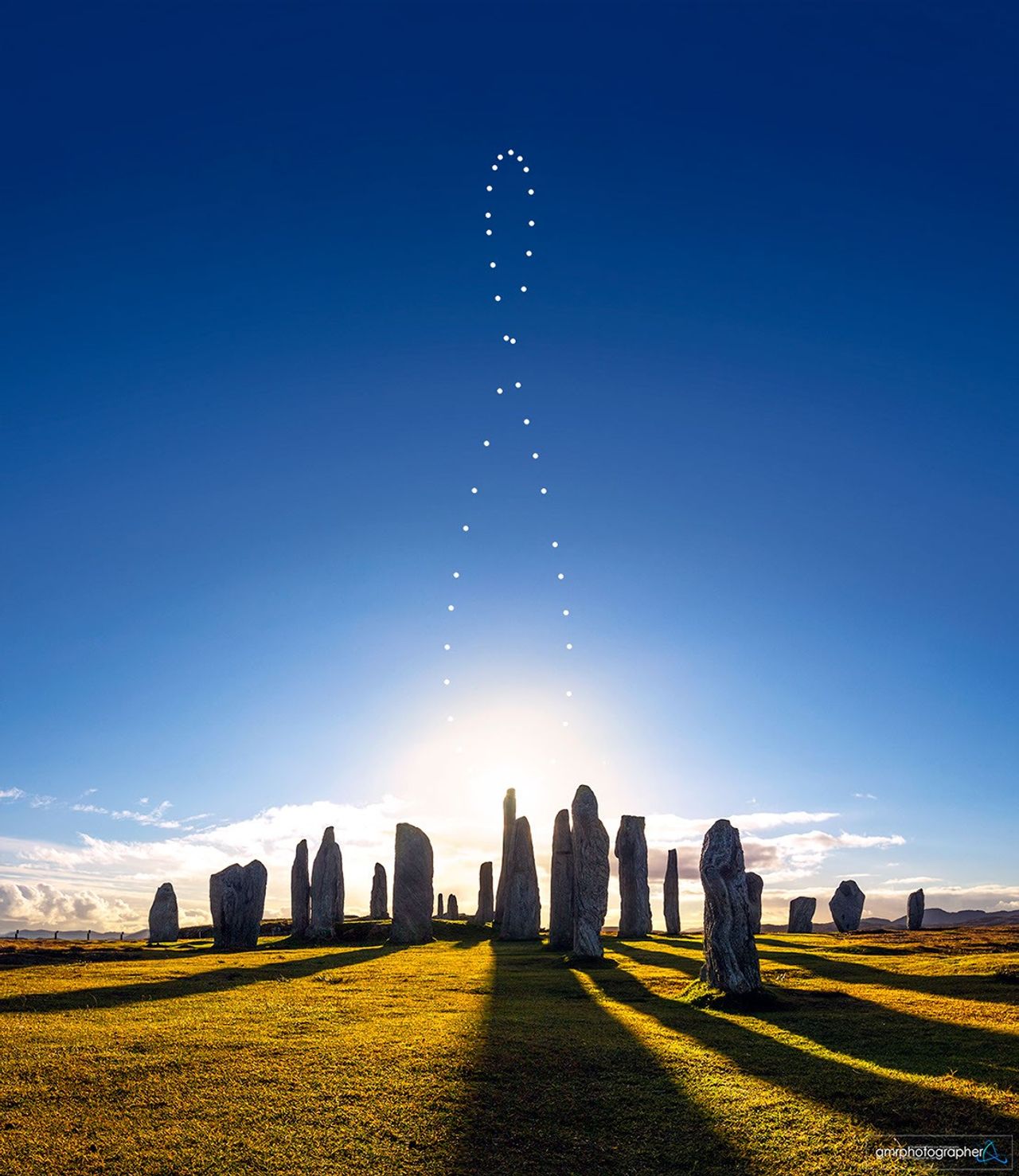
NASA's Astronomy Picture of the Day Features Analemma Over Scotland's Callanish Stones
The September 20, 2026 edition of NASA's long-running APOD series highlights a composite image showing the sun's yearly path above the ancient Callanish Stones.

BBC's 'Tech Now' Follows NASA Scientists Studying Solar Eclipse in Iceland
A new episode of the BBC technology programme features reporter Adrienne Murray accompanying NASA researchers examining a rare total solar eclipse.
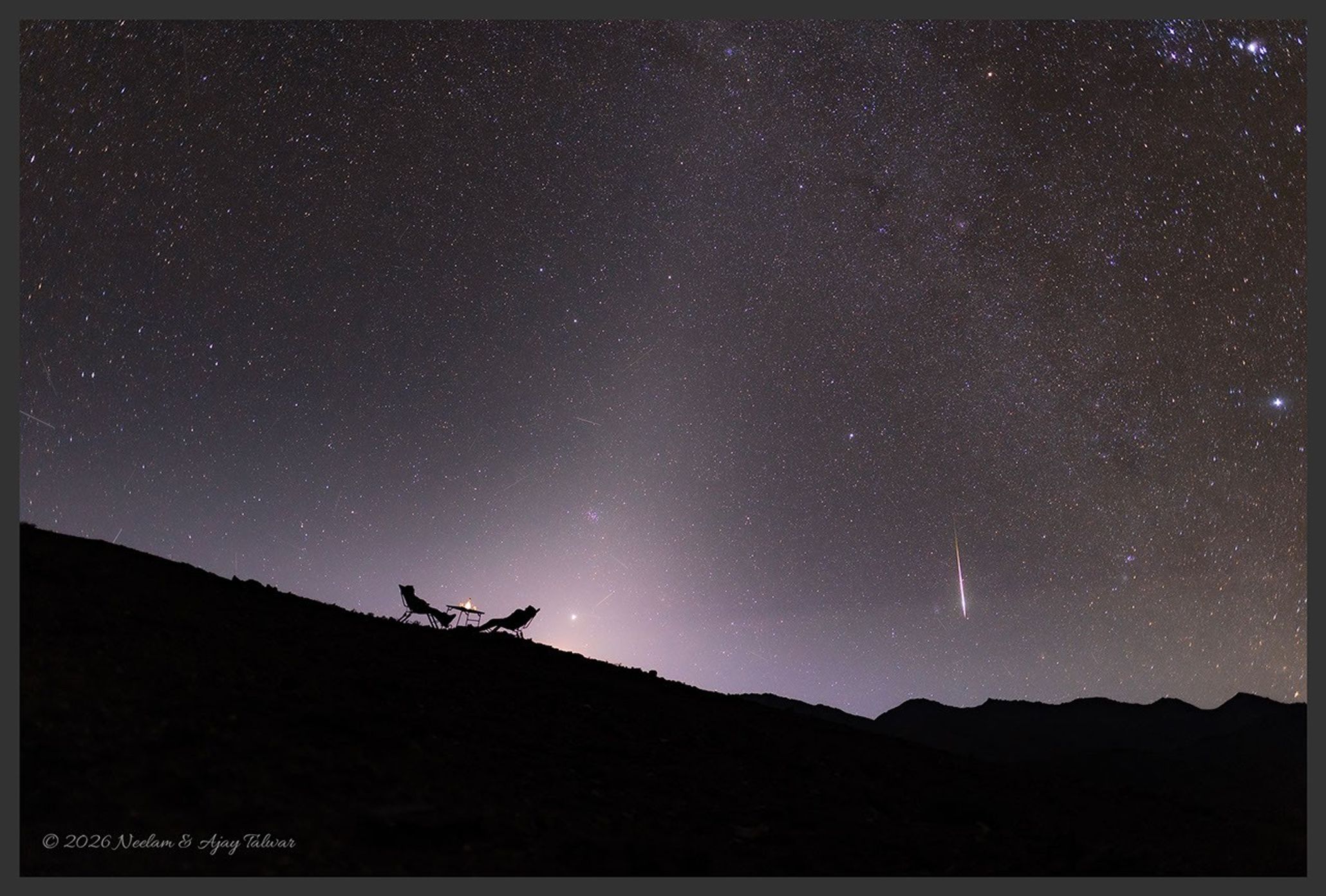
NASA’s Astronomy Picture of the Day to Feature “A Zodiacal Night” on September 19, 2026
The long-running NASA APOD series is set to showcase a night-sky image highlighting the zodiacal light, according to the program’s website.
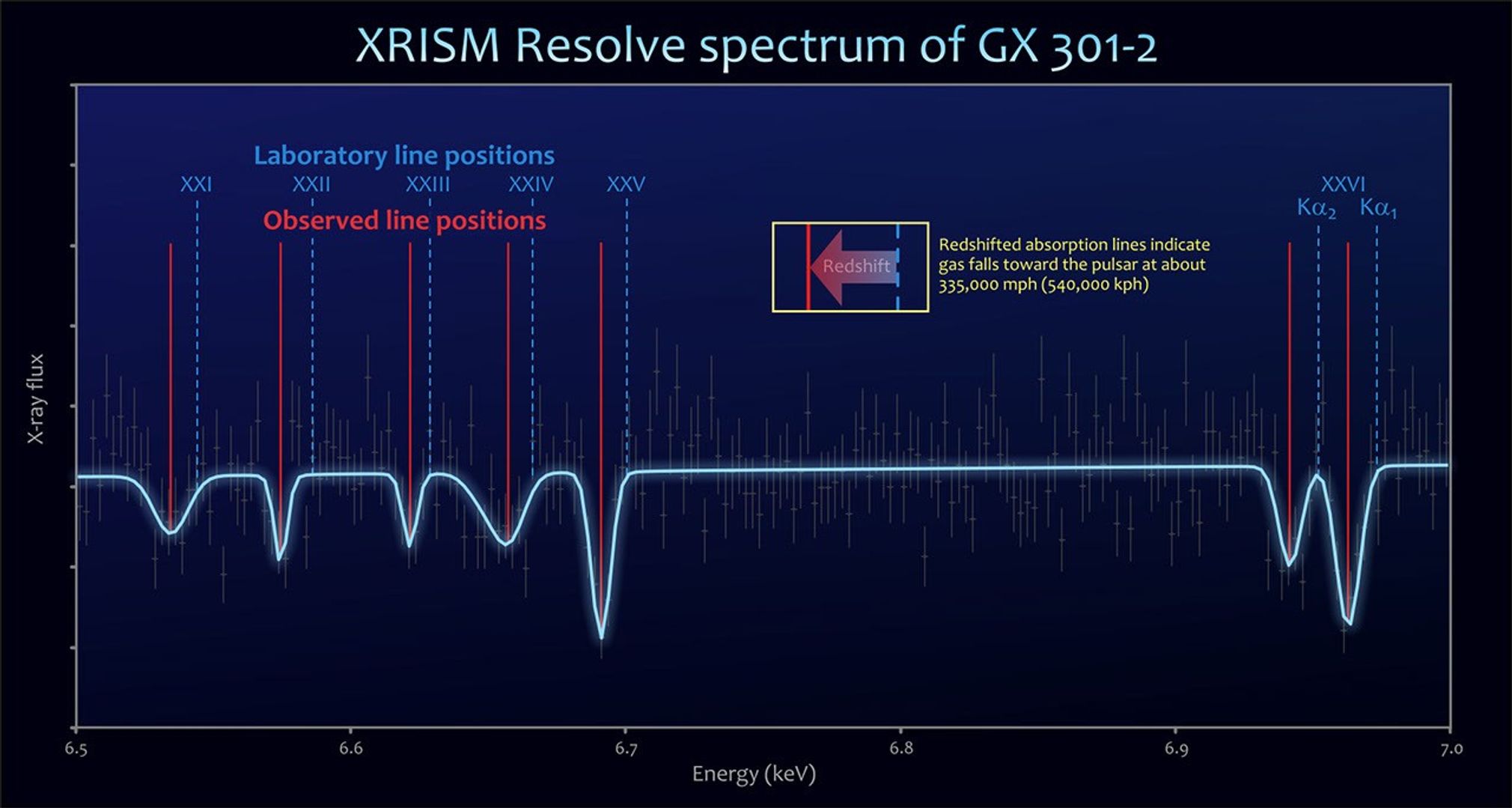
XRISM Mission Observes Pulsar Capturing Stellar Wind From Companion Star
Astronomers using the Japan-led XRISM X-ray observatory say they have directly observed a giant star's outflow being captured by a compact companion, powering intense X-ray flares.

NASA Awards SpaceX Three Additional Crew Missions to Space Station
Contract modification extends SpaceX’s role in ferrying astronauts to the International Space Station under NASA’s Commercial Crew Program
NASA's Nancy Grace Roman Space Telescope Captures First Light
The new observatory, designed to hunt for thousands of exoplanets and probe dark matter and dark energy, has recorded its first cosmic images, according to a report by Scientific American.
Comments
Loading comments…