NASA's Roman Space Telescope to Search Milky Way's Bulge for Rocky Exoplanets
According to a report by Scientific American, the upcoming Roman Space Telescope will dedicate more than a quarter of its observing time to the galaxy's dense central region in search of small, rocky worlds.
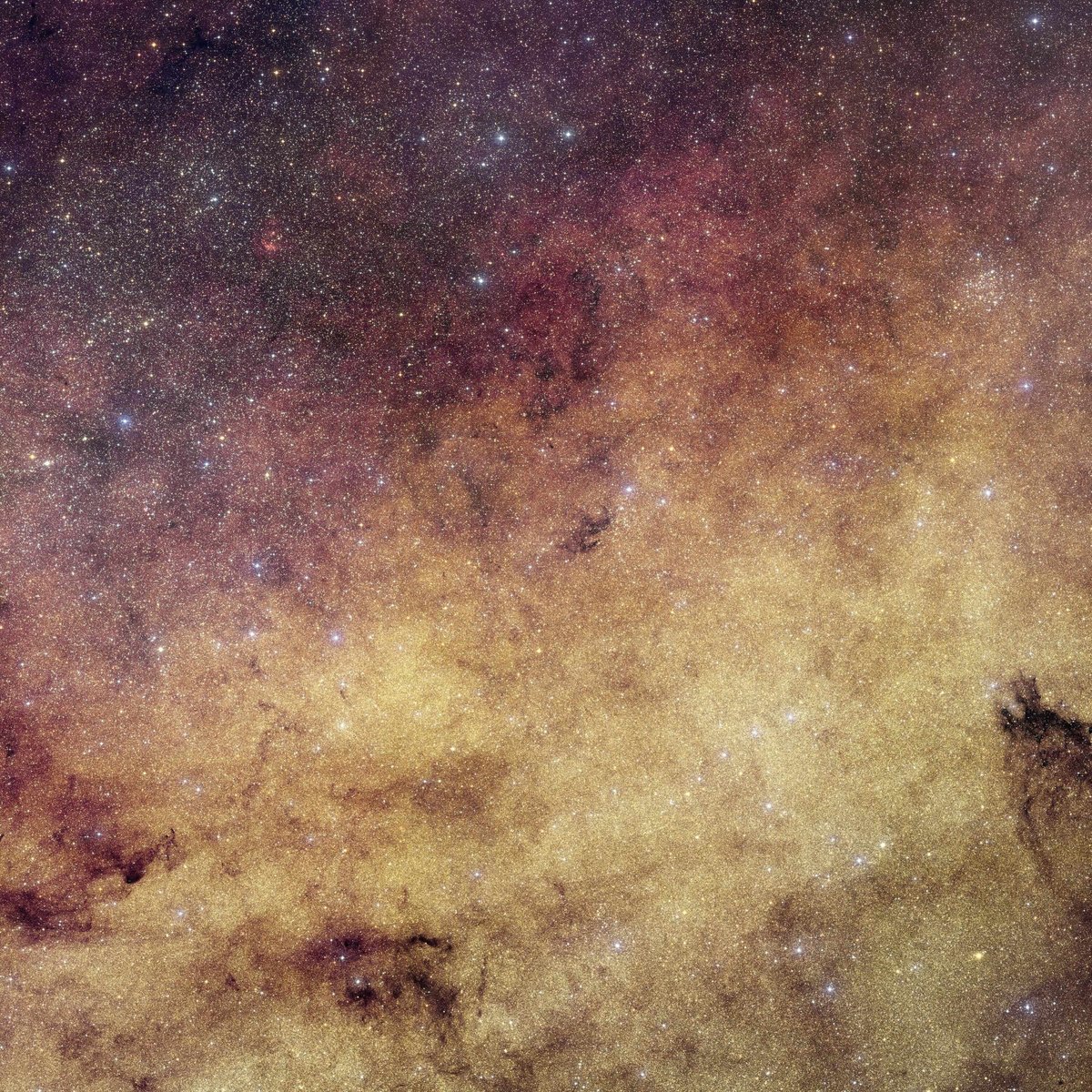
NASA's Nancy Grace Roman Space Telescope is expected to devote more than a quarter of its mission time to observing the Milky Way's bulge, a densely packed region at the center of the galaxy, according to a report published by Scientific American.
The report describes the bulge as a star-packed central area of the galaxy that scientists believe may contain a large number of small, rocky exoplanets.
Scientific American's report suggests that the telescope's approach to detecting these planets differs from methods used by some other exoplanet-hunting missions, though the outlet's headline notes the mission could find "alien Earths" through means distinct from commonly expected detection techniques.
Further details about the telescope's specific detection methodology, launch timeline, and additional mission objectives were not included in the available excerpt from the source report.
Sources
- NASA’s Roman Space Telescope could find alien Earths—but not like you think — Scientific American
EGazette summarizes reporting from multiple sources; follow the links for the originals.
Related articles
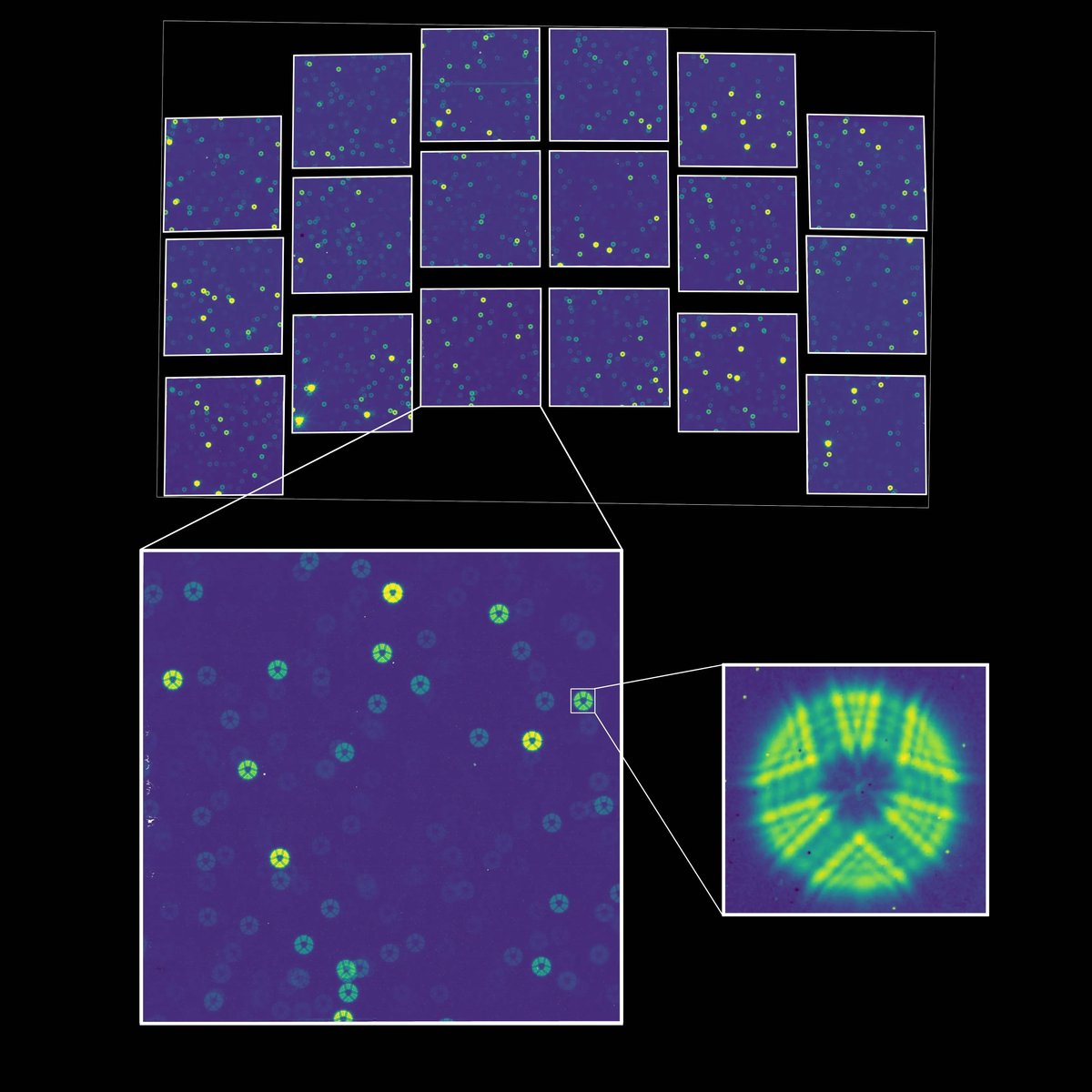
NASA's Nancy Grace Roman Space Telescope Captures First Light
The new observatory, designed to hunt for thousands of exoplanets and probe dark matter and dark energy, has recorded its first cosmic images, according to a report by Scientific American.

NASA's Astronomy Picture of the Day Features Analemma Over Scotland's Callanish Stones
The September 20, 2026 edition of NASA's long-running APOD series highlights a composite image showing the sun's yearly path above the ancient Callanish Stones.
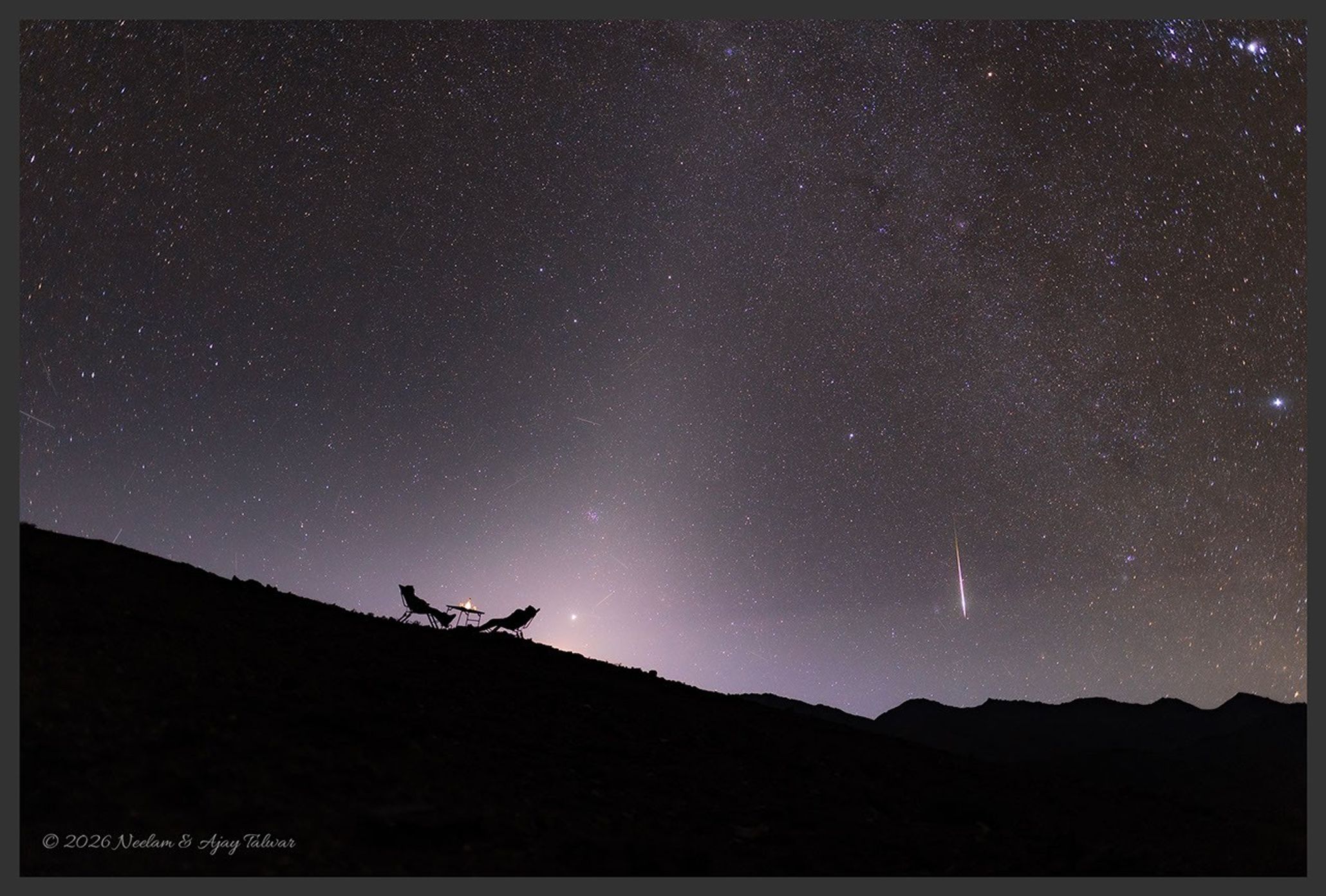
NASA’s Astronomy Picture of the Day to Feature “A Zodiacal Night” on September 19, 2026
The long-running NASA APOD series is set to showcase a night-sky image highlighting the zodiacal light, according to the program’s website.
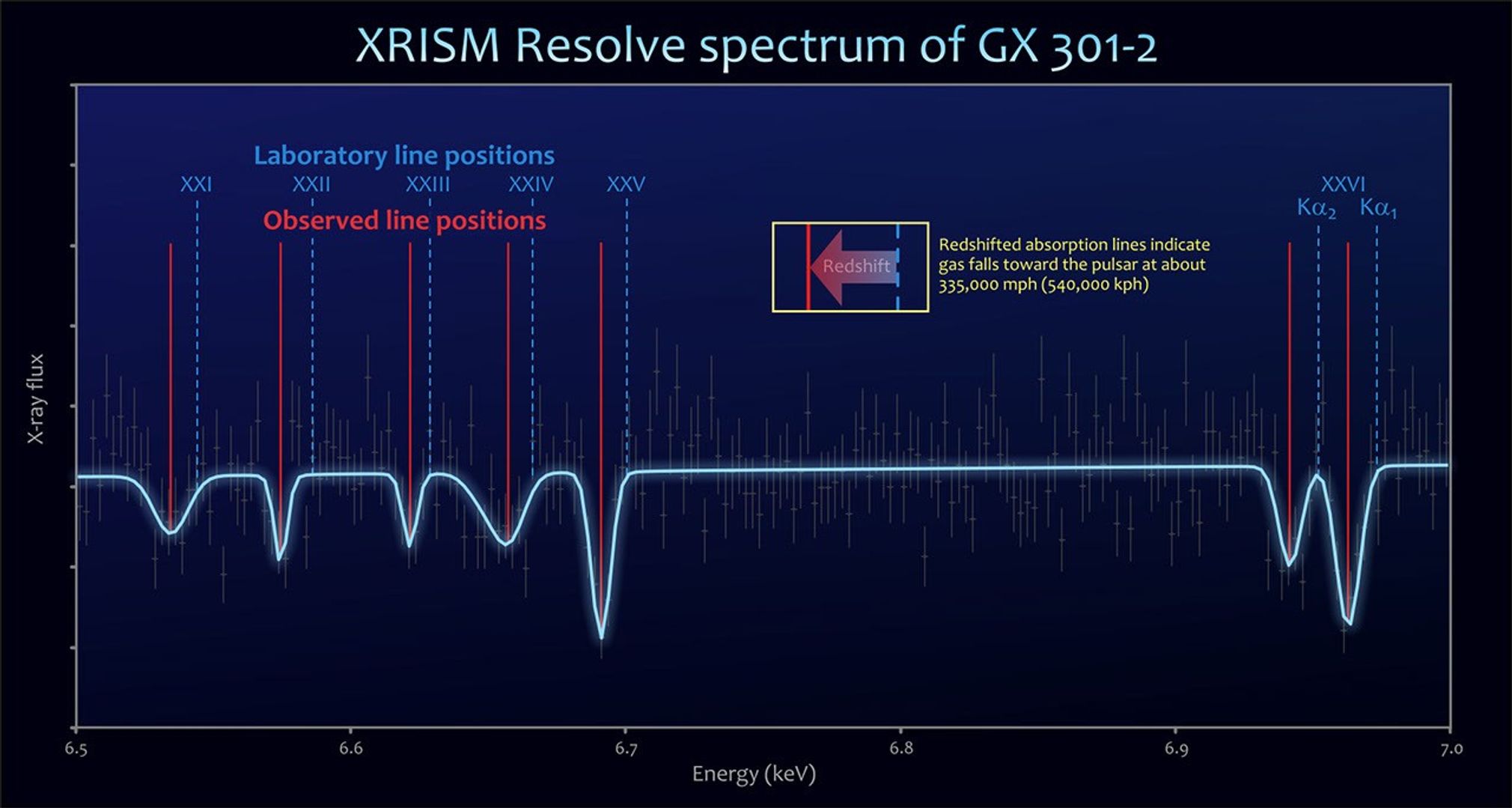
XRISM Mission Observes Pulsar Capturing Stellar Wind From Companion Star
Astronomers using the Japan-led XRISM X-ray observatory say they have directly observed a giant star's outflow being captured by a compact companion, powering intense X-ray flares.
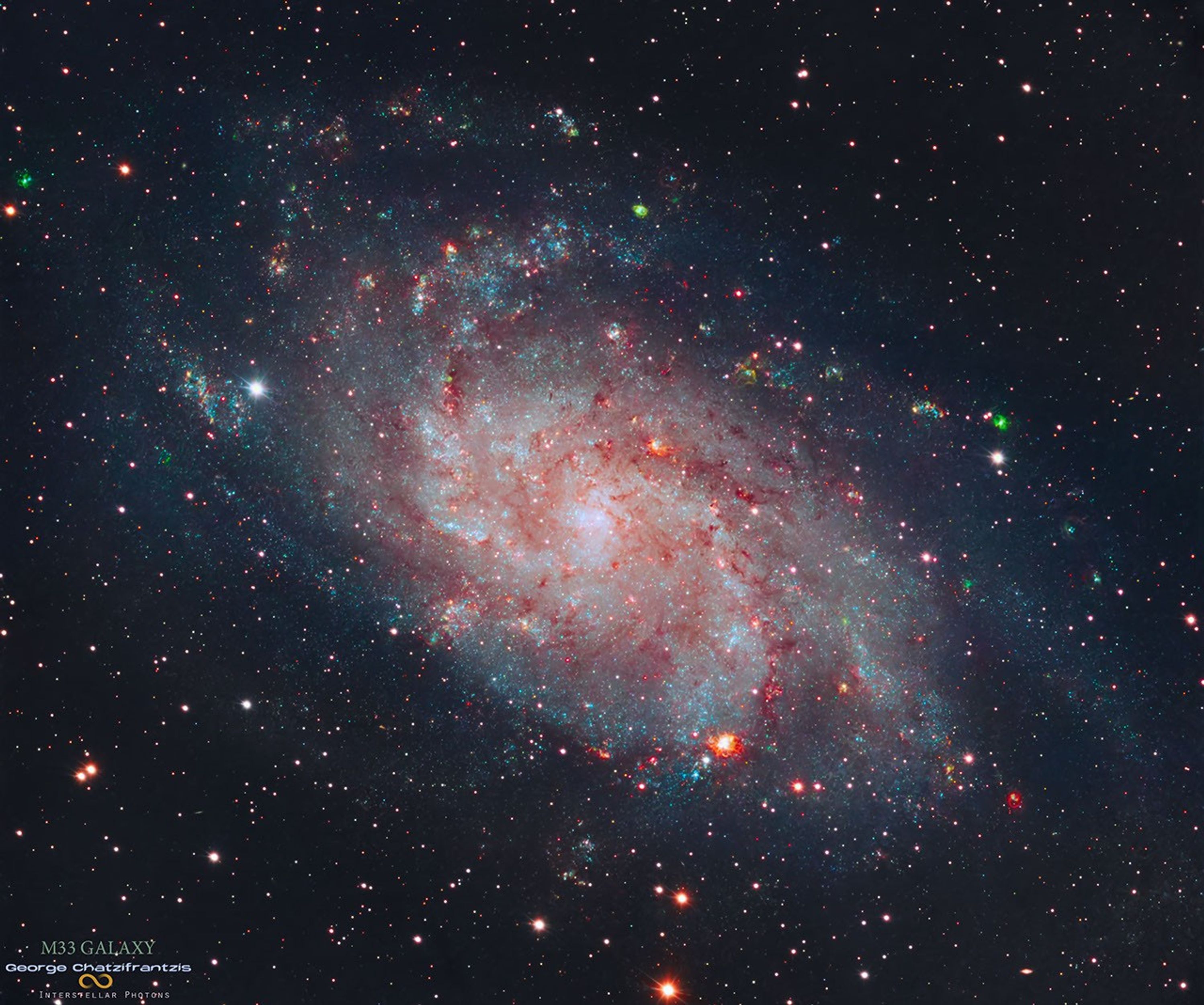
NASA’s Astronomy Picture of the Day Spotlights the Triangulum Galaxy
The September 18, 2026 edition of NASA’s long-running APOD series features Messier 33, also known as the Triangulum Galaxy.

NASA Selects SpaceX to Launch StarBurst Gamma-Ray Detector
The small satellite mission will study neutron star mergers and short gamma-ray bursts, launching on a Falcon 9 rocket from Florida.
Comments
Loading comments…