NASA's Nancy Grace Roman Space Telescope Captures First Light
The new observatory, designed to hunt for thousands of exoplanets and probe dark matter and dark energy, has recorded its first cosmic images, according to a report by Scientific American.
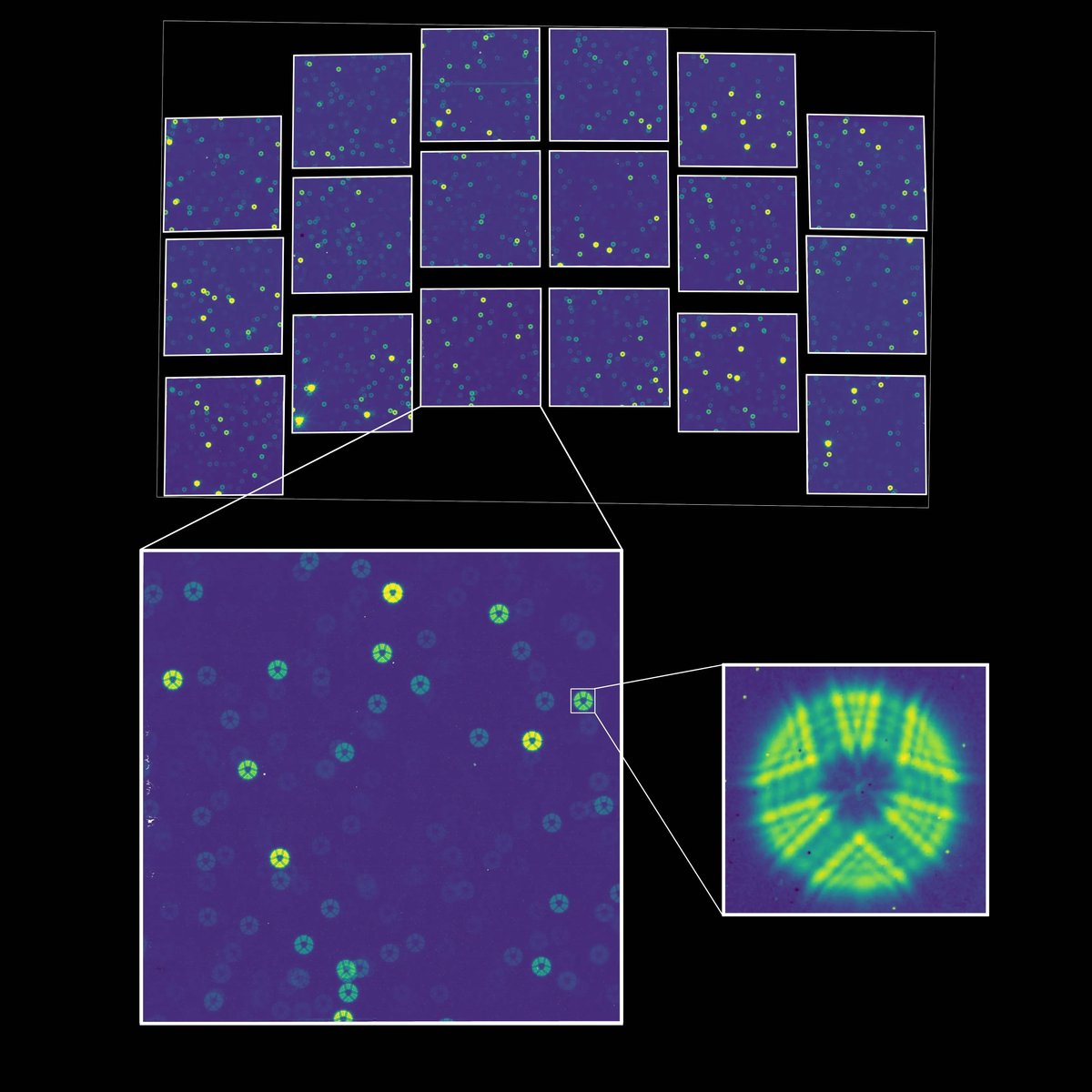
NASA's Nancy Grace Roman Space Telescope has captured its first cosmic light, according to a report published by Scientific American.
The space telescope, named after the astronomer often credited as a driving force behind the Hubble Space Telescope, is designed to conduct wide-field surveys of the sky, according to the report.
Scientific American reported that the mission is expected to reveal thousands of new exoplanets as part of its scientific goals. The telescope is also intended to search for signs of dark matter and dark energy, two of the most significant unresolved mysteries in astrophysics, the report said.
According to the report, the telescope's wide field of view is intended to allow it to survey much larger areas of the sky than previous space telescopes, potentially enabling astronomers to study cosmic phenomena across broader regions of space in less time.
Further details on the telescope's initial images and forthcoming scientific operations were not immediately available beyond the information included in the Scientific American report.
Sources
- NASA’s Nancy Grace Roman Telescope glimpses its first cosmic light — Scientific American
EGazette summarizes reporting from multiple sources; follow the links for the originals.
Related articles
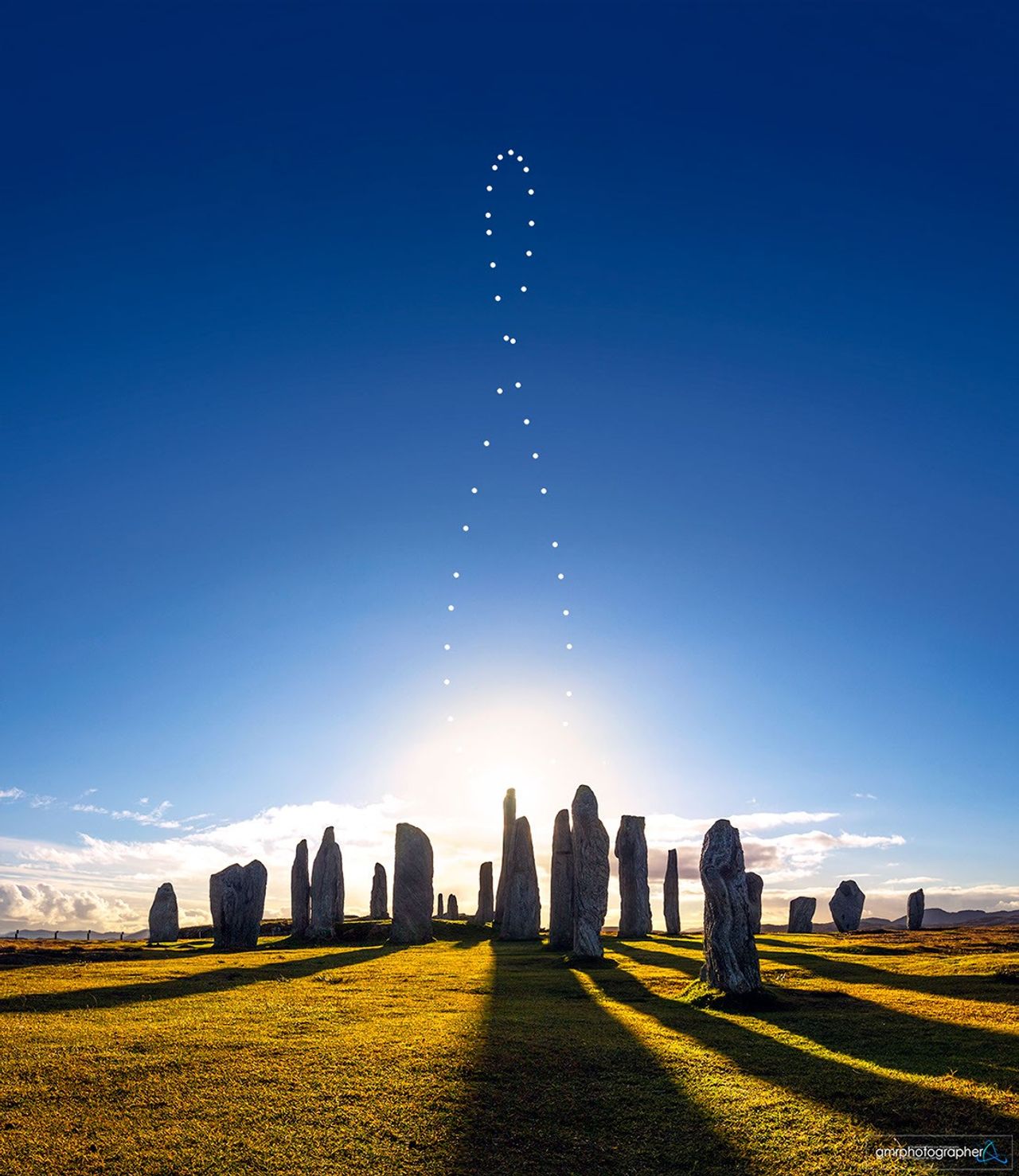
NASA's Astronomy Picture of the Day Features Analemma Over Scotland's Callanish Stones
The September 20, 2026 edition of NASA's long-running APOD series highlights a composite image showing the sun's yearly path above the ancient Callanish Stones.
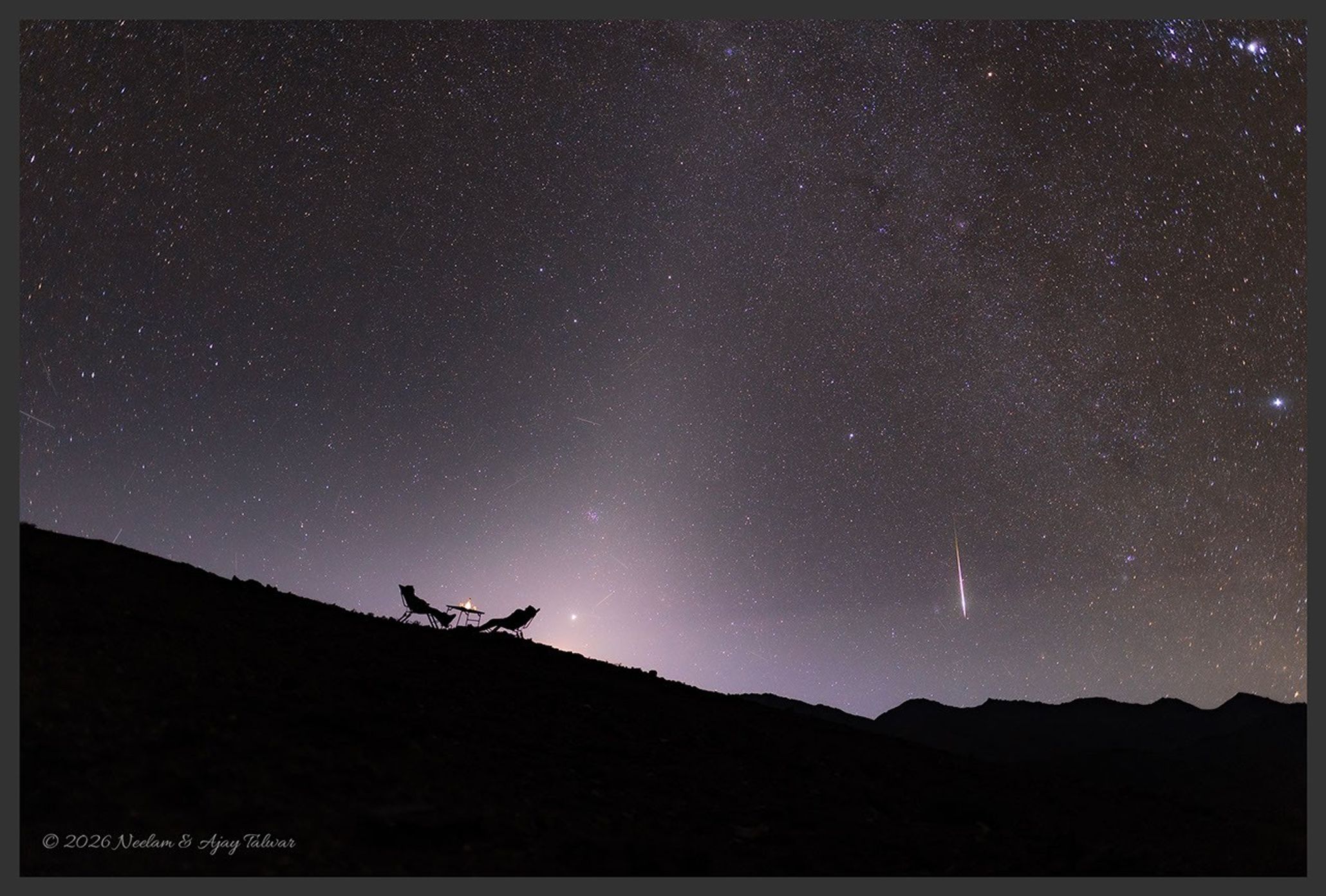
NASA’s Astronomy Picture of the Day to Feature “A Zodiacal Night” on September 19, 2026
The long-running NASA APOD series is set to showcase a night-sky image highlighting the zodiacal light, according to the program’s website.
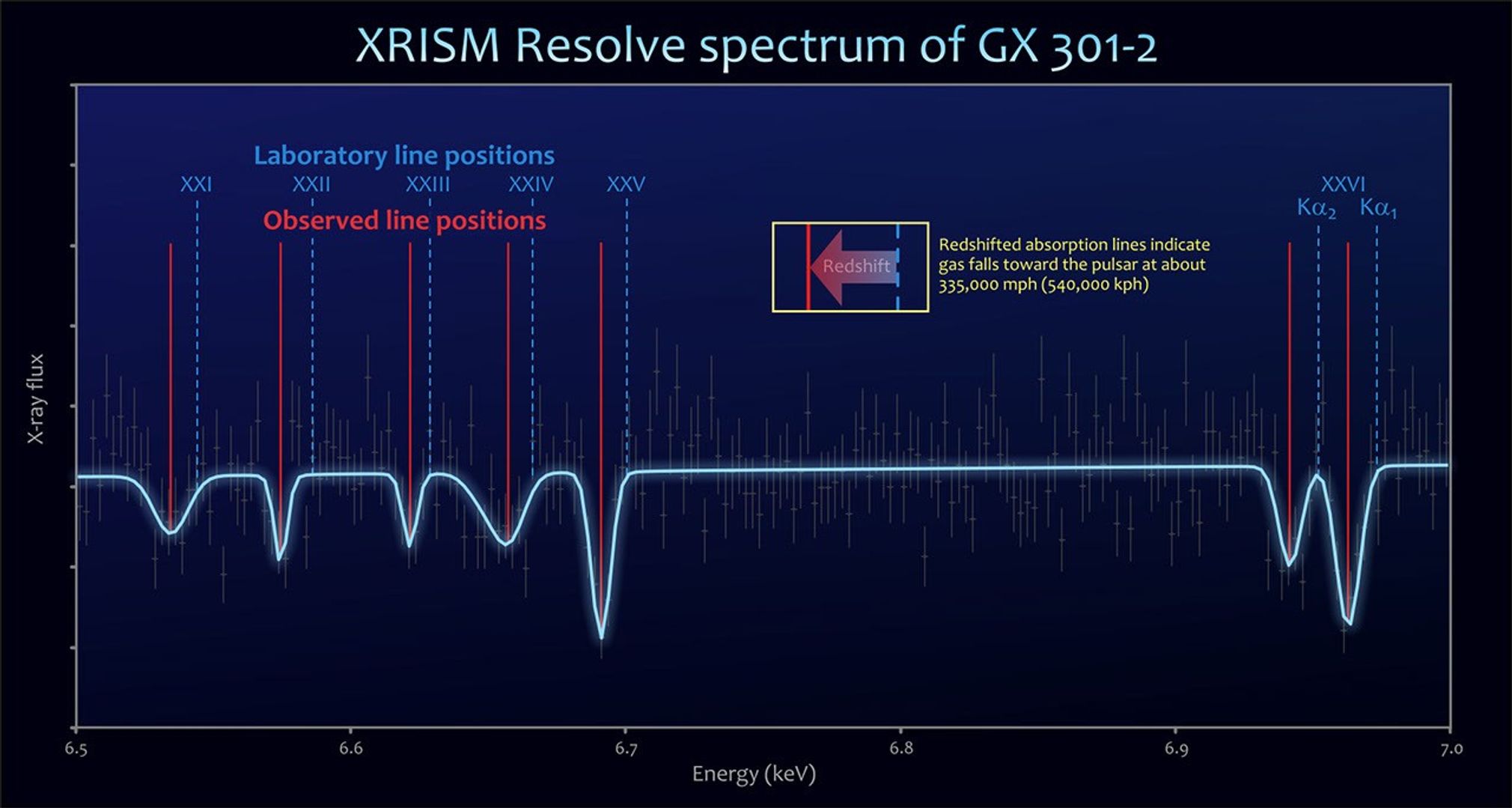
XRISM Mission Observes Pulsar Capturing Stellar Wind From Companion Star
Astronomers using the Japan-led XRISM X-ray observatory say they have directly observed a giant star's outflow being captured by a compact companion, powering intense X-ray flares.
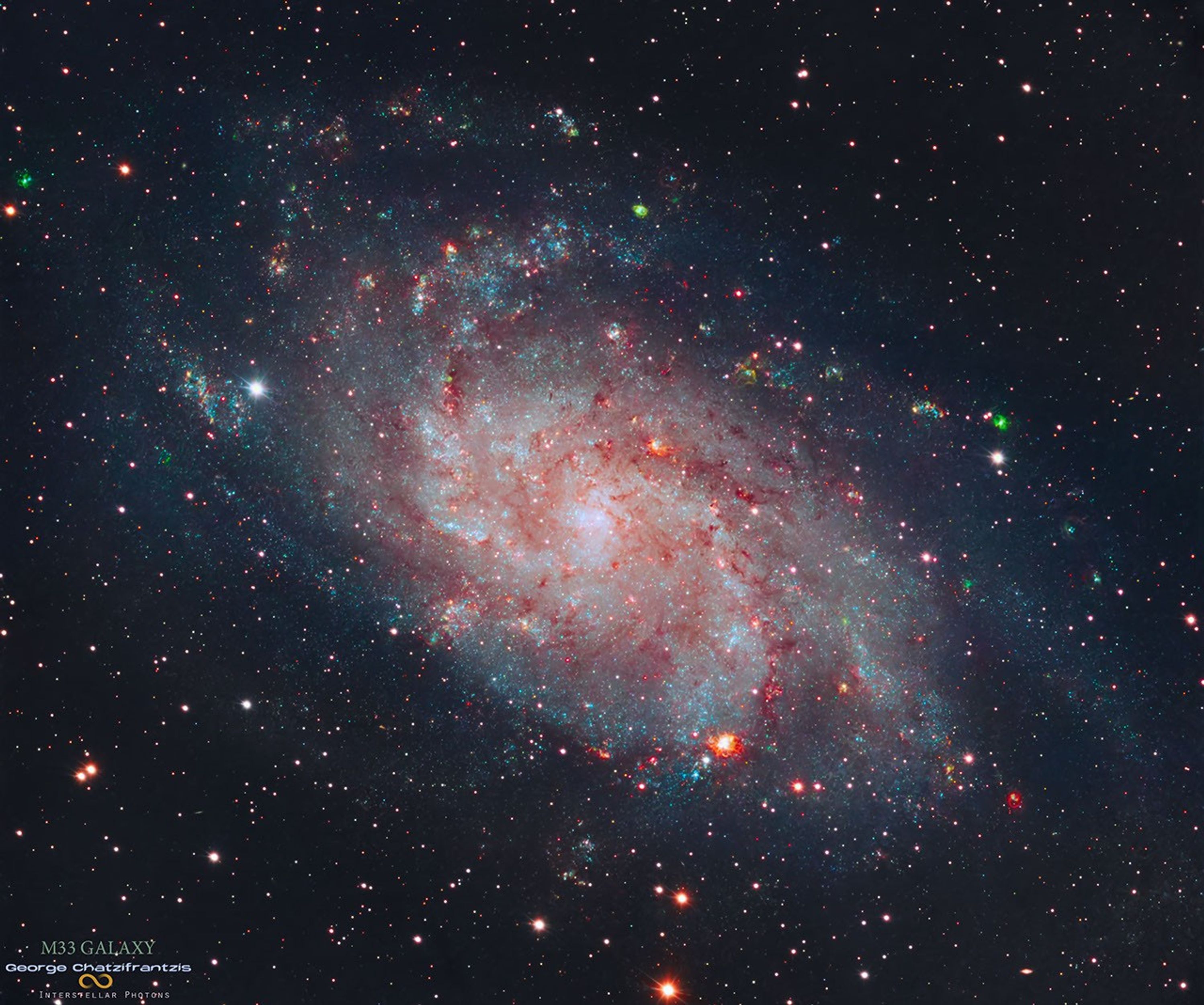
NASA’s Astronomy Picture of the Day Spotlights the Triangulum Galaxy
The September 18, 2026 edition of NASA’s long-running APOD series features Messier 33, also known as the Triangulum Galaxy.
NASA Selects SpaceX to Launch StarBurst Gamma-Ray Detector
The small satellite mission will study neutron star mergers and short gamma-ray bursts, launching on a Falcon 9 rocket from Florida.
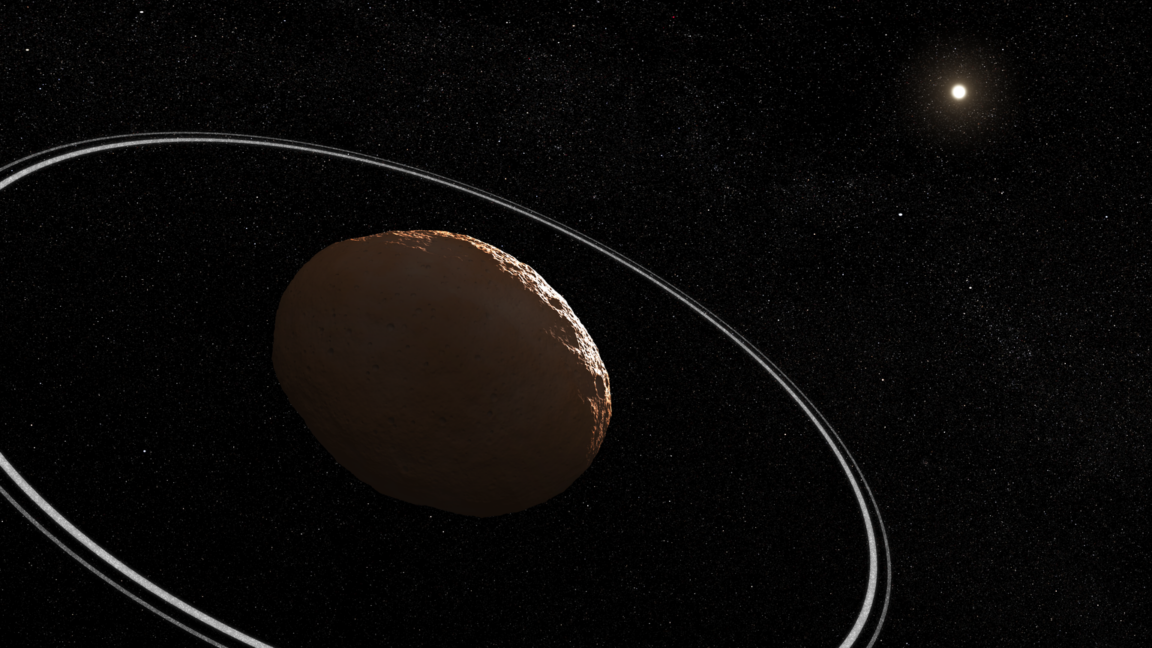
Rings Around Small Body Chariklo Show Changes Over a Decade, Report Says
Observations of Chariklo, a roughly 250-kilometer-wide object in the outer solar system, indicate its two rings have shifted over the past ten years, according to a report from Ars Technica.
Comments
Loading comments…