NASA's Lunar Orbiter Identifies Newly Formed Impact Crater on the Moon
Scientists using the Lunar Reconnaissance Orbiter say they have detected a fresh crater that formed within the past few years, calling it a rare, 'once-in-a-century' find.
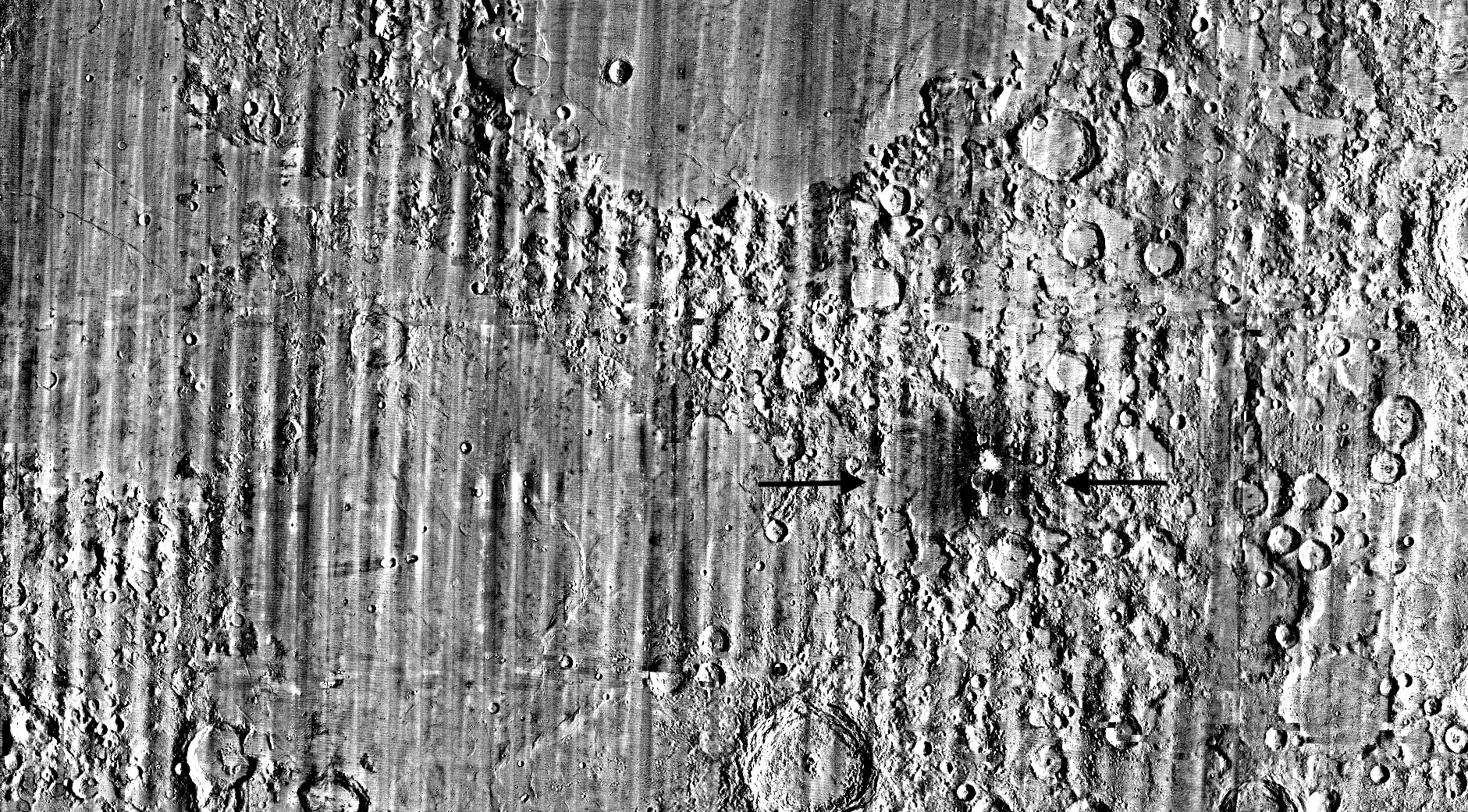
NASA has reported that its Lunar Reconnaissance Orbiter (LRO) has identified a newly formed crater on the Moon's surface, according to a statement published on the agency's website.
The discovery was made by Robert Wagner, a scientist working with the LRO mission, during what NASA described as a routine data-quality check. According to the agency, Wagner was reviewing a large map of the lunar surface on his computer when he noticed an unusually bright spot surrounded by a dark halo, a visual signature that scientists associate with recently disturbed surface material.
NASA said the bright-and-dark pattern suggested that a fresh impact had occurred, throwing up lighter subsurface material while darkening the surrounding area — a common signature of a new crater that has not yet been weathered by space exposure.
The agency described the find as a 'once-in-a-century' event, though it did not specify the exact size of the crater or provide a precise timeframe for when the impact occurred, based on the available excerpt of the report.
The Lunar Reconnaissance Orbiter has been operating since 2009 and is used by NASA to map the Moon's surface in detail, including tracking changes over time such as new impact craters, which help scientists understand the rate at which objects strike the lunar surface.
NASA has not yet released additional details regarding the crater's exact location or its potential implications for lunar science, according to the source material.
Sources
- NASA’s Moon Orbiter Spots New, ‘Once-in-Century’ Moon Crater — NASA Breaking News
EGazette summarizes reporting from multiple sources; follow the links for the originals.
Related articles

NASA Selects SpaceX to Launch StarBurst Gamma-Ray Detector
The small satellite mission will study neutron star mergers and short gamma-ray bursts, launching on a Falcon 9 rocket from Florida.
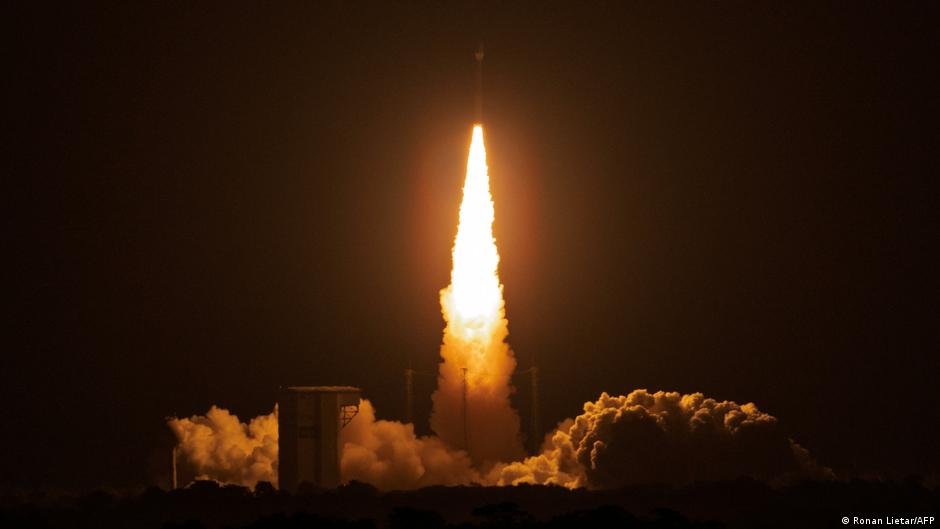
European Space Agency Launches Two Satellites to Monitor Climate Change
The new satellites will help scientists study the effects of climate change, with one instrument dedicated to observing plant life

NASA's Astronomy Picture of the Day Features Analemma Over Scotland's Callanish Stones
The September 20, 2026 edition of NASA's long-running APOD series highlights a composite image showing the sun's yearly path above the ancient Callanish Stones.

BBC's 'Tech Now' Follows NASA Scientists Studying Solar Eclipse in Iceland
A new episode of the BBC technology programme features reporter Adrienne Murray accompanying NASA researchers examining a rare total solar eclipse.
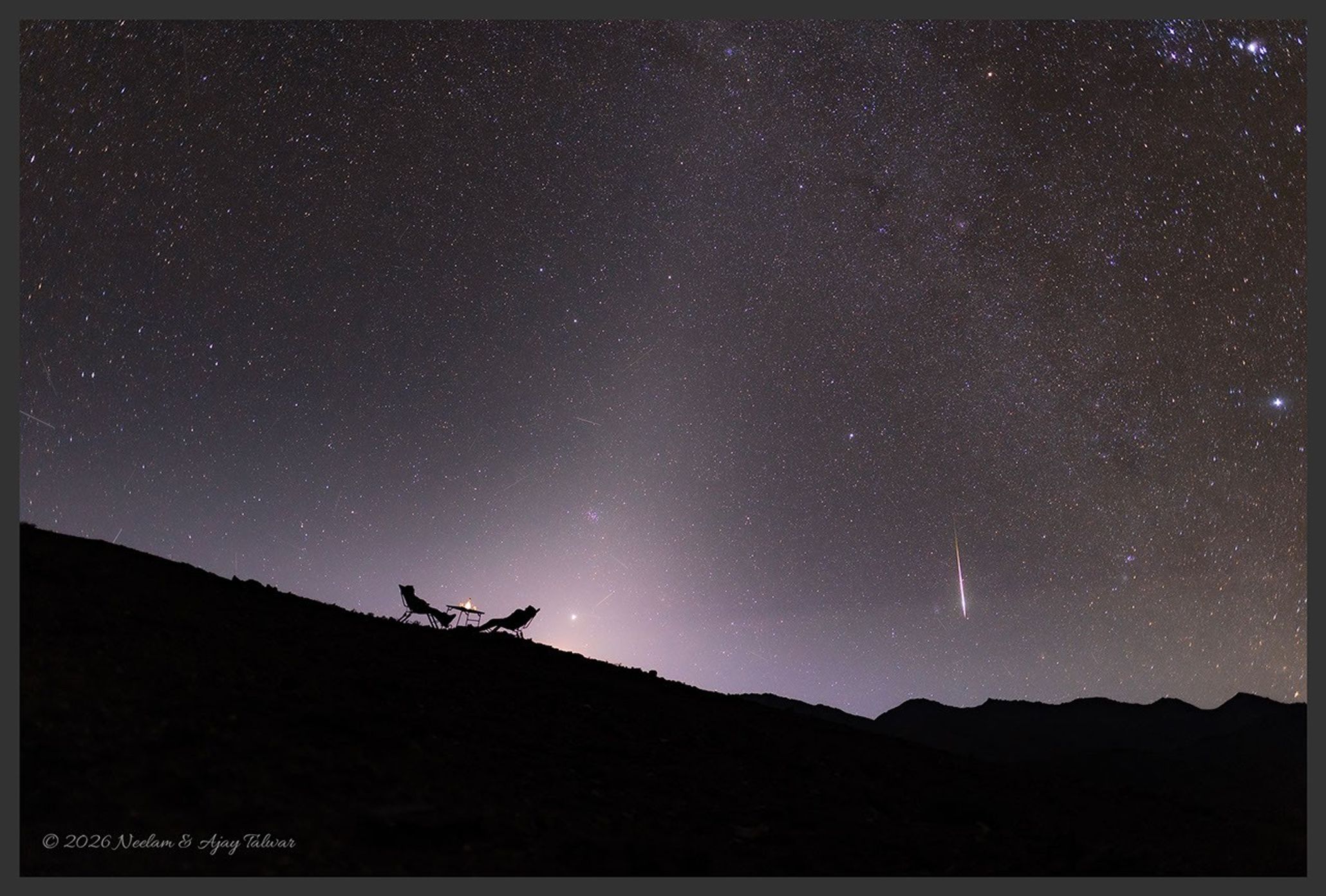
NASA’s Astronomy Picture of the Day to Feature “A Zodiacal Night” on September 19, 2026
The long-running NASA APOD series is set to showcase a night-sky image highlighting the zodiacal light, according to the program’s website.
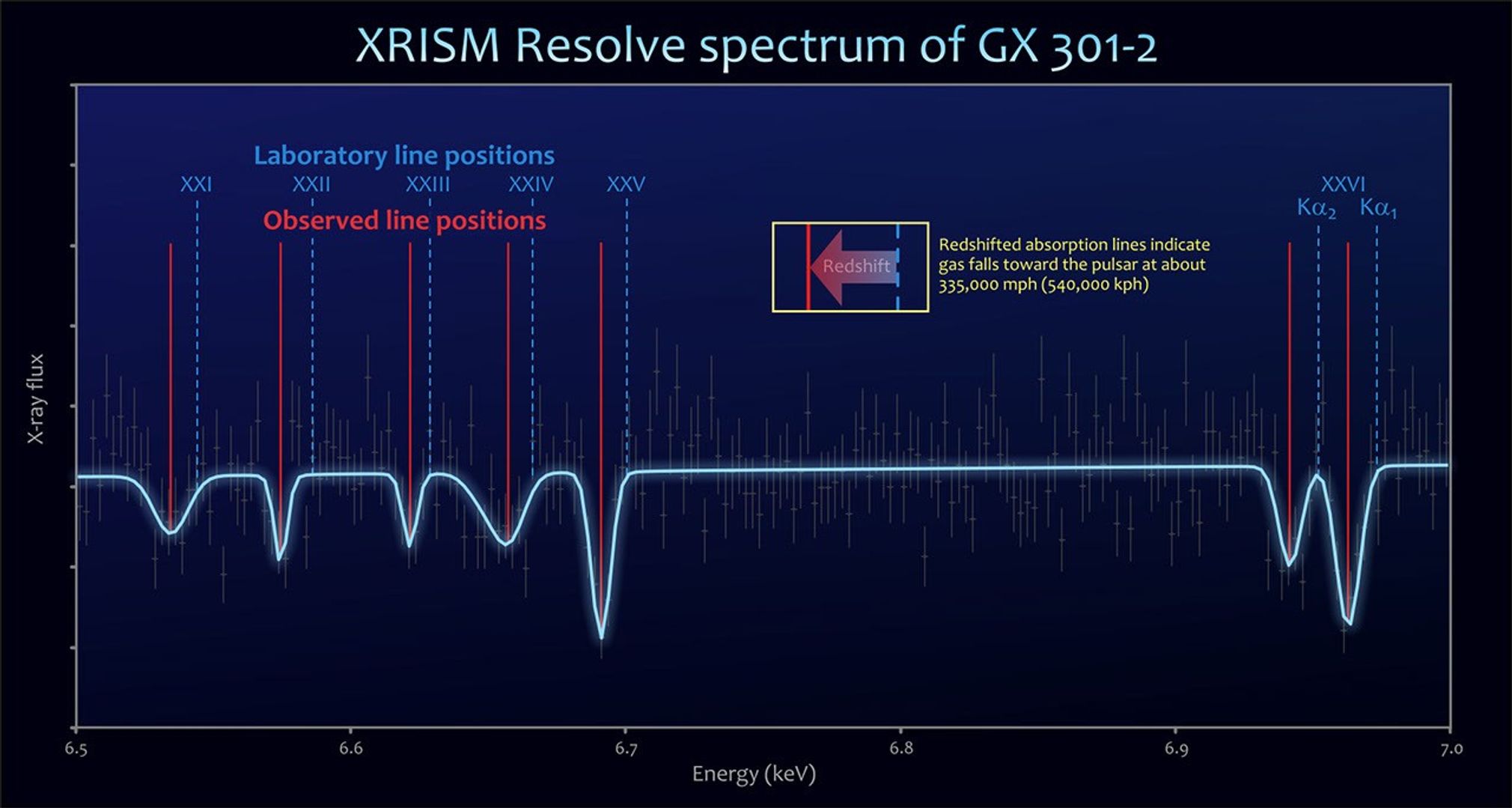
XRISM Mission Observes Pulsar Capturing Stellar Wind From Companion Star
Astronomers using the Japan-led XRISM X-ray observatory say they have directly observed a giant star's outflow being captured by a compact companion, powering intense X-ray flares.
Comments
Loading comments…