NASA's Astronomy Picture of the Day Features Webb Telescope View of M64
The Astronomy Picture of the Day for September 16, 2026, showcases the James Webb Space Telescope's observation of the spiral galaxy M64, commonly known as the Black Eye Galaxy.
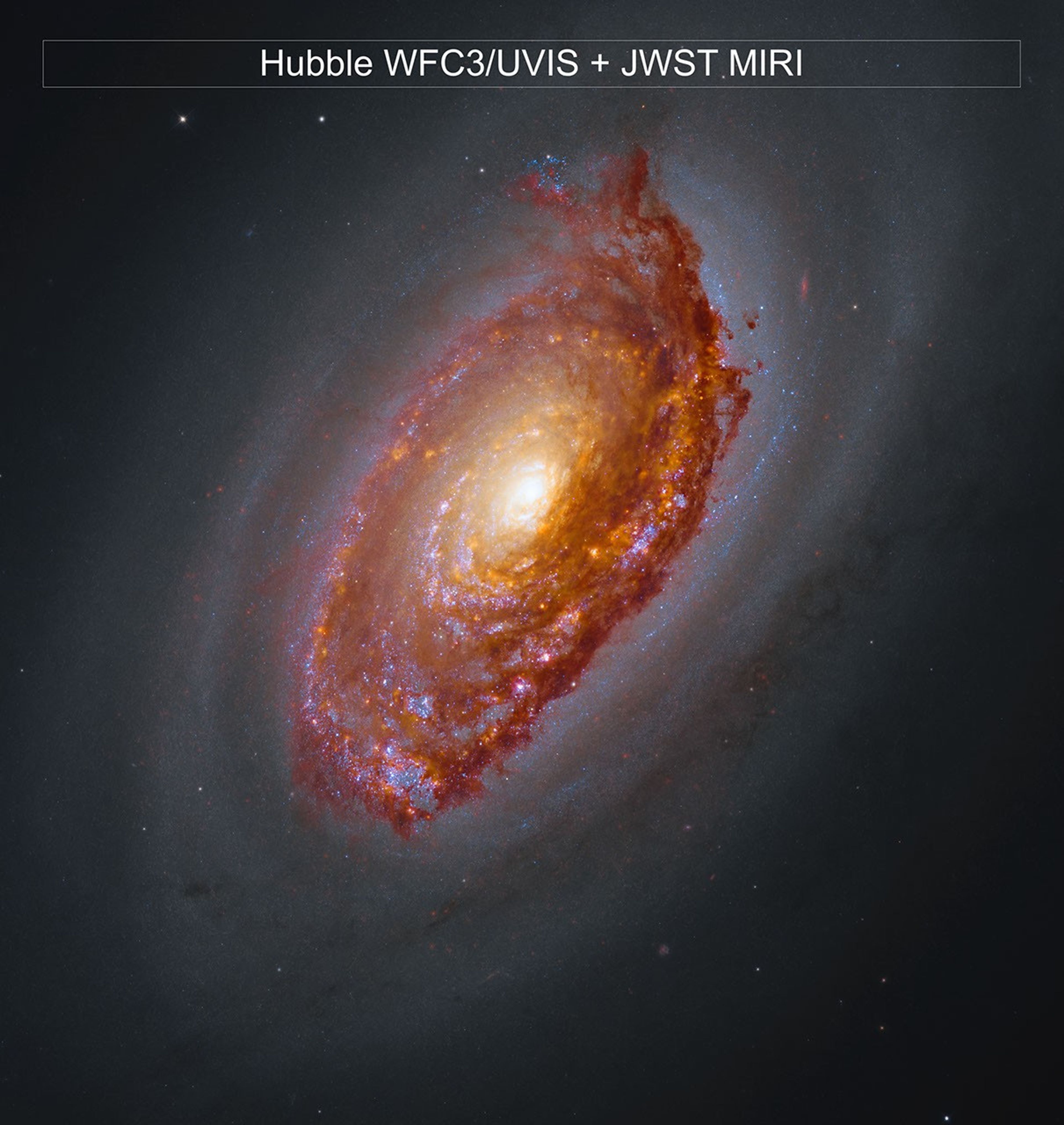
NASA's Astronomy Picture of the Day (APOD) program featured an image captured by the James Webb Space Telescope of the galaxy M64 on September 16, 2026, according to the NASA APOD website.
M64 is widely known by the nickname "Black Eye Galaxy," a name derived from a distinctive dark band of absorbing dust that appears in front of the galaxy's bright nucleus, as commonly described in astronomical references cited by NASA's APOD archive.
APOD is a long-running NASA initiative that publishes a new astronomical image or photograph each day, accompanied by a brief explanation written by a professional astronomer, according to the program's website. The initiative includes an online archive, a submissions process for images, and a searchable index and calendar of past entries.
The September 16 entry adds to a series of APOD features that have highlighted observations from the James Webb Space Telescope, which operates alongside the Hubble Space Telescope as part of NASA's ongoing astronomical imaging efforts, according to the source material.
NASA did not provide additional technical details about the specific instruments or observation parameters used to capture the M64 image in the excerpt available from the APOD listing.
Sources
- APOD: 2026 September 16 – Webb’s View of M64 — NASA Breaking News
EGazette summarizes reporting from multiple sources; follow the links for the originals.
Related articles
NASA's Astronomy Picture of the Day Features Analemma Over Scotland's Callanish Stones
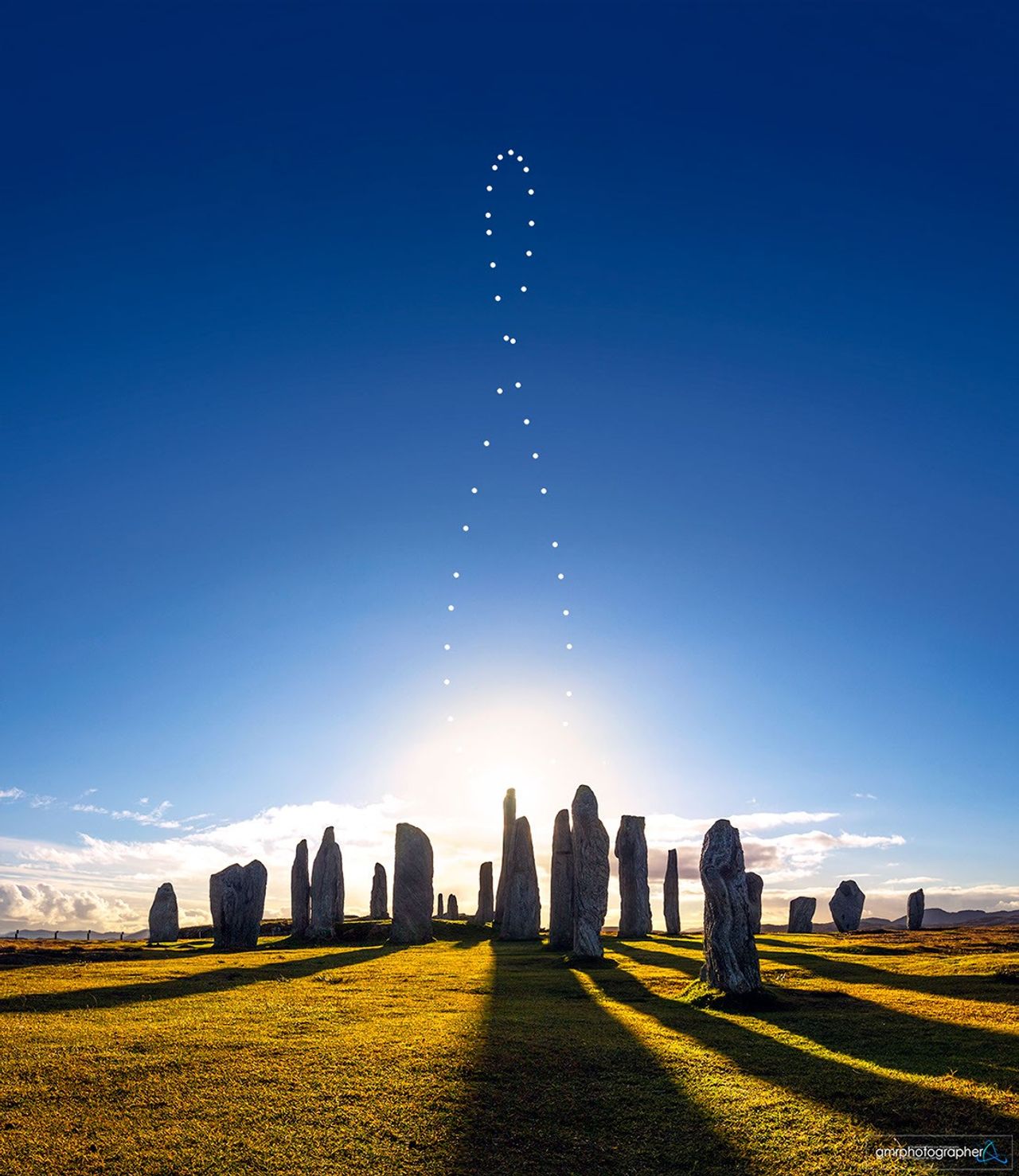
The September 20, 2026 edition of NASA's long-running APOD series highlights a composite image showing the sun's yearly path above the ancient Callanish Stones.
NASA’s Astronomy Picture of the Day to Feature “A Zodiacal Night” on September 19, 2026
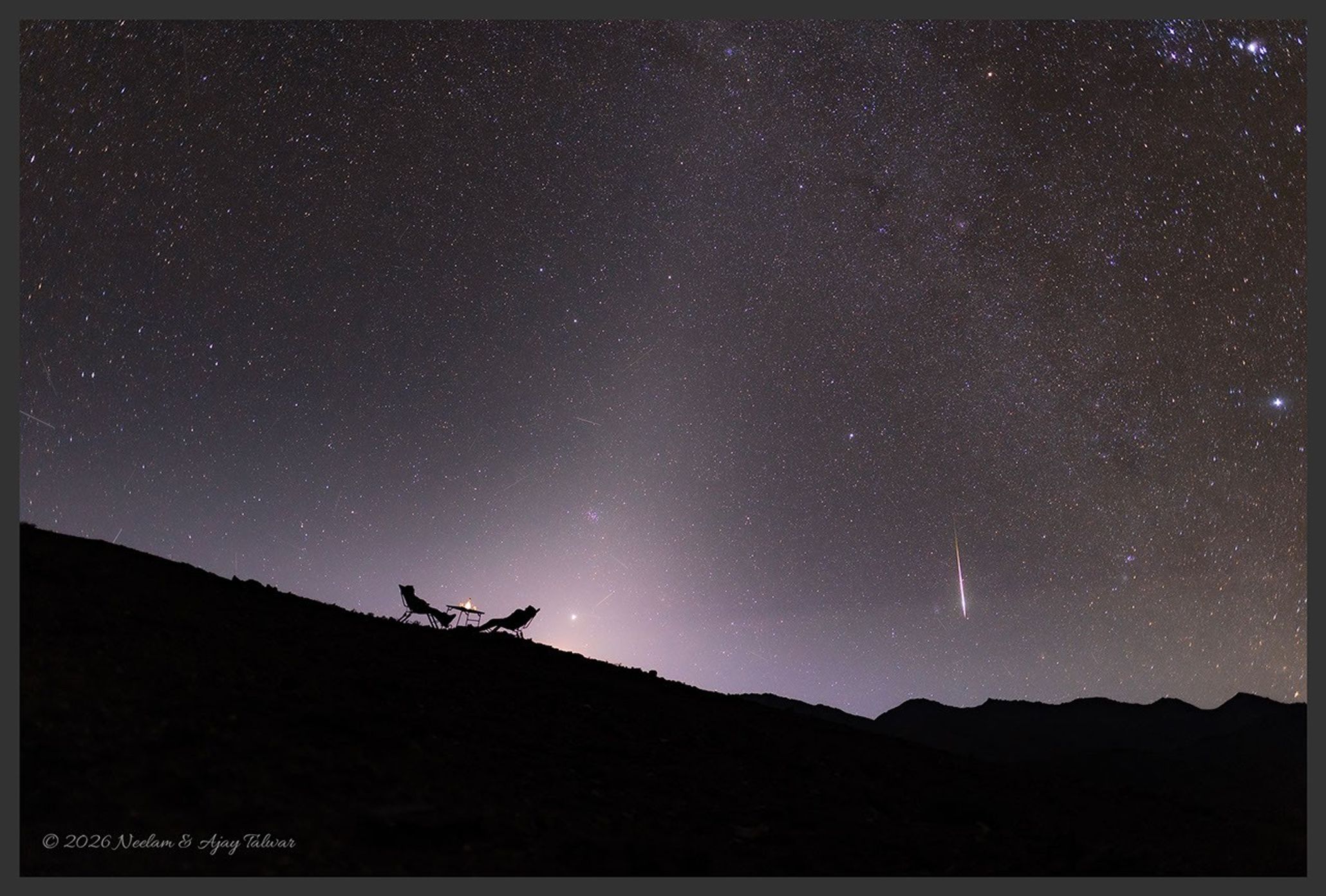
The long-running NASA APOD series is set to showcase a night-sky image highlighting the zodiacal light, according to the program’s website.
XRISM Mission Observes Pulsar Capturing Stellar Wind From Companion Star
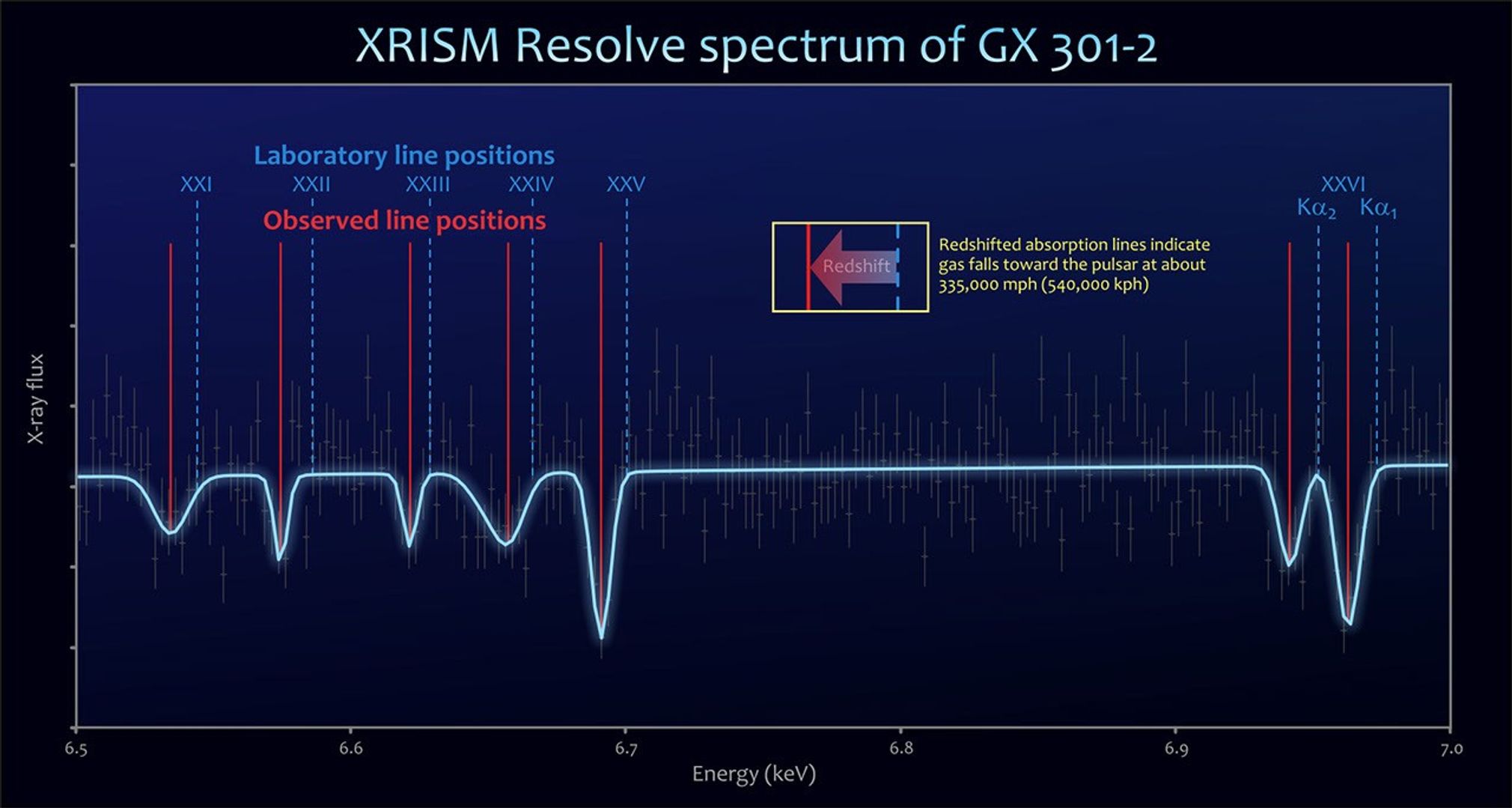
Astronomers using the Japan-led XRISM X-ray observatory say they have directly observed a giant star's outflow being captured by a compact companion, powering intense X-ray flares.
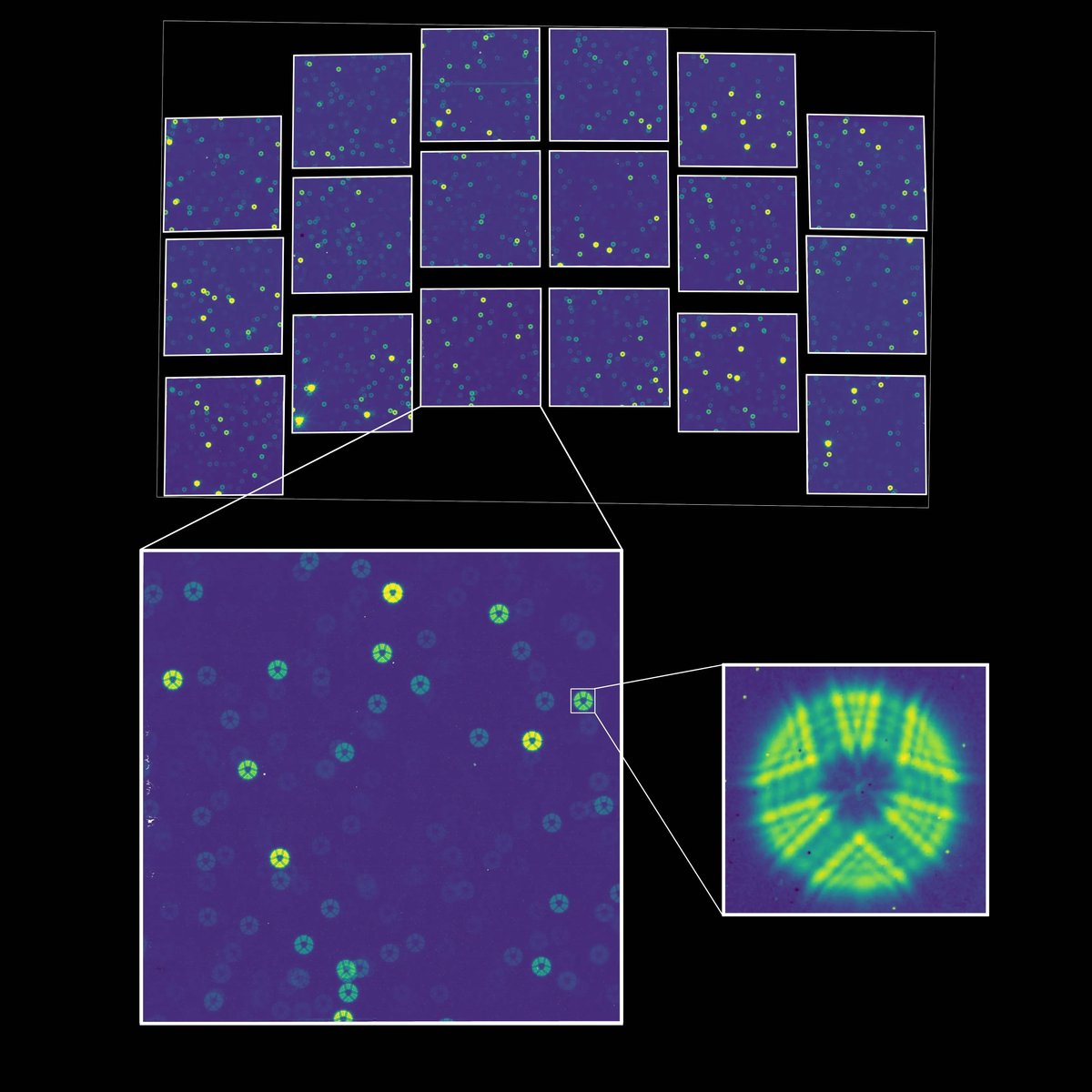
NASA's Nancy Grace Roman Space Telescope Captures First Light
The new observatory, designed to hunt for thousands of exoplanets and probe dark matter and dark energy, has recorded its first cosmic images, according to a report by Scientific American.
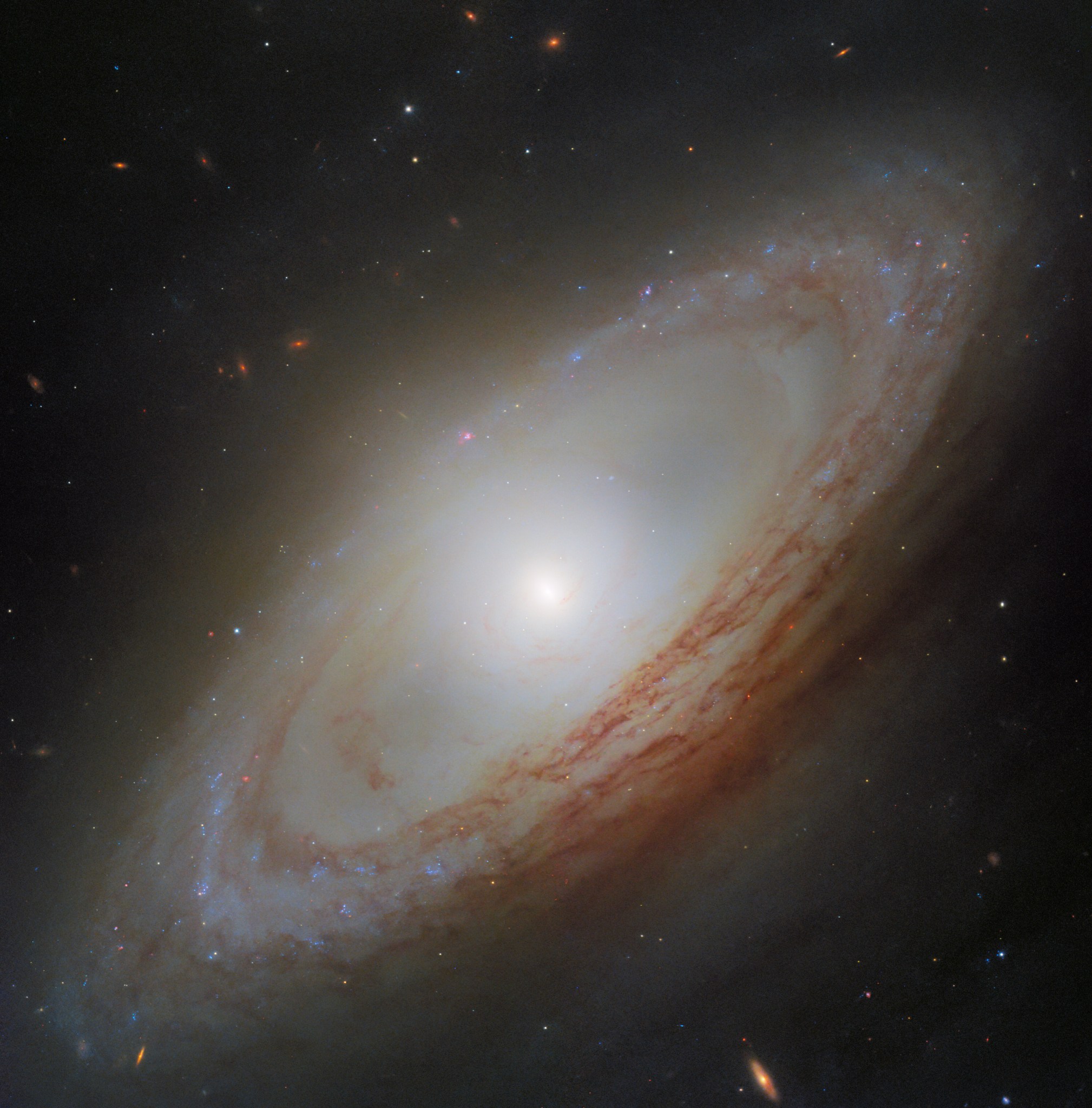
Hubble Telescope Images Reveal Hidden Anomaly in Spiral Galaxy NGC 4698
NASA says the seemingly calm galaxy, located 55 million light-years away in Virgo, harbors what the agency describes as a "chaotic secret."
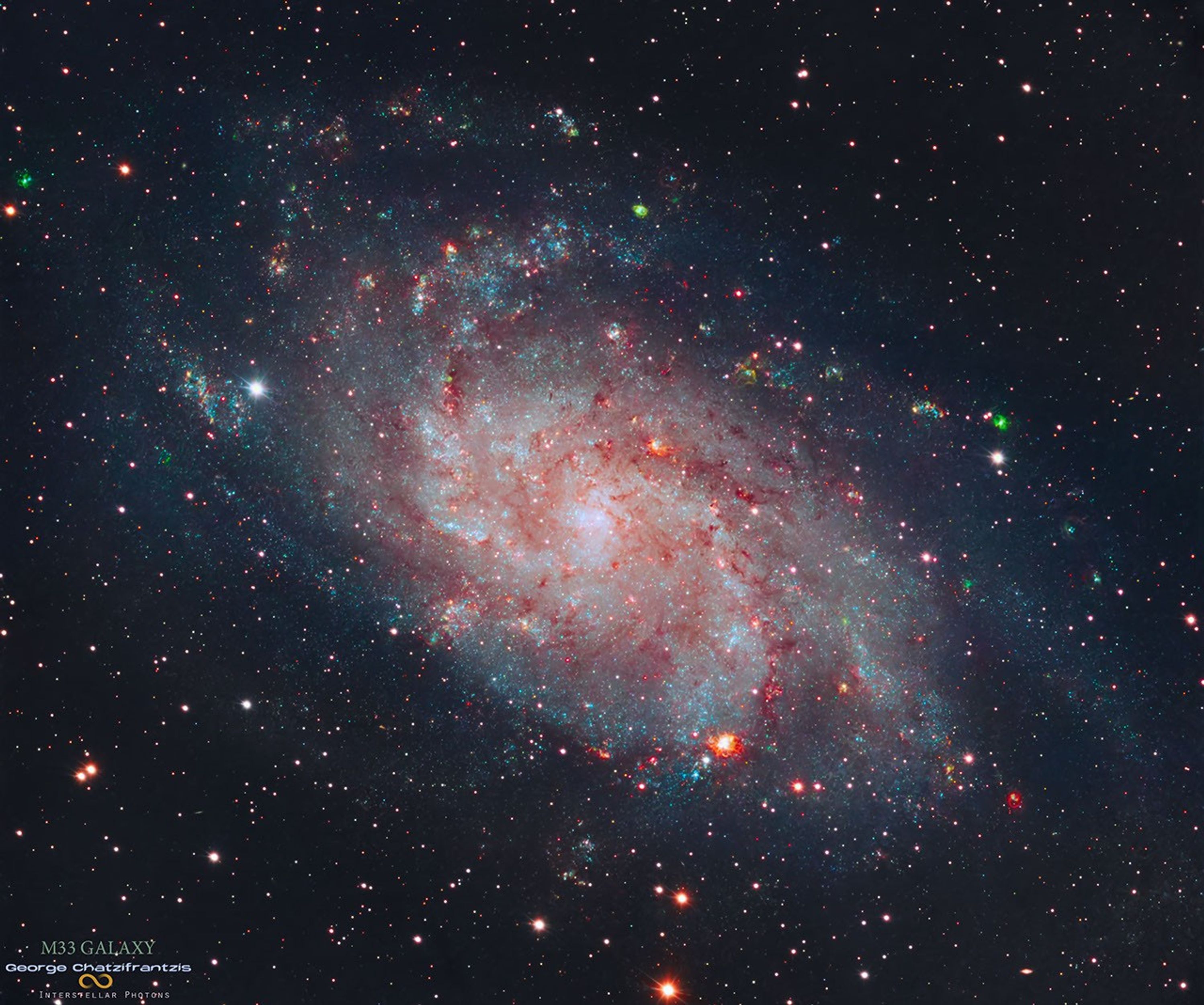
NASA’s Astronomy Picture of the Day Spotlights the Triangulum Galaxy
The September 18, 2026 edition of NASA’s long-running APOD series features Messier 33, also known as the Triangulum Galaxy.
Comments
Loading comments…