NASA's Astronomy Picture of the Day Features Hawaiian-Titled Entry for September 4, 2026
The daily astronomy feature from NASA published an image with the Hawaiian title "Nā ʻUhane Māhoe Huki Pū i ke Ola," though detailed explanatory text was not available in the source material.
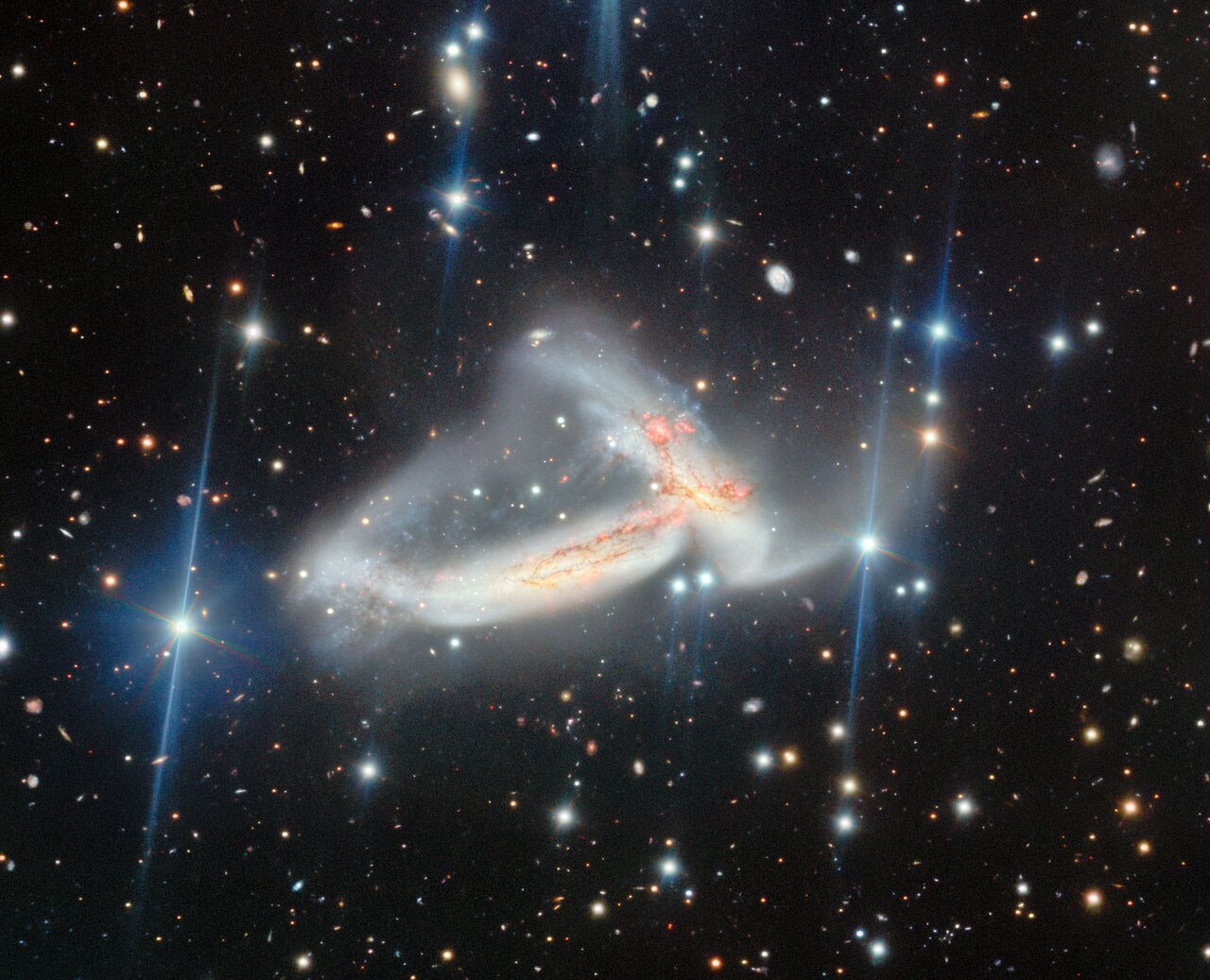
NASA's Astronomy Picture of the Day (APOD) website published an entry dated September 4, 2026, titled "Nā ʻUhane Māhoe Huki Pū i ke Ola," according to the source page.
APOD is a long-running feature maintained by NASA that presents a different astronomical image or photograph daily, accompanied by a brief explanation written by a professional astronomer, according to the website's standard description.
The specific image and its accompanying scientific explanation for this particular entry were not included in the available source material, which consisted primarily of the website's navigation elements, including links to the archive, submissions, index, search, calendar, RSS feed, and educational resources.
The Hawaiian-language title translates loosely to a reference involving "twin spirits" or "souls" connected to life, though NASA did not provide an English translation or further context in the excerpted material.
APOD has been published by NASA for several decades and is described on its website as a way to "discover the cosmos" through curated imagery. Further details about this specific September 2026 entry were not accessible in the source provided.
Sources
- APOD: 2026 September 4 – Na Uhane Mahoe Huki Pu i ke Ola — NASA Breaking News
EGazette summarizes reporting from multiple sources; follow the links for the originals.
Related articles
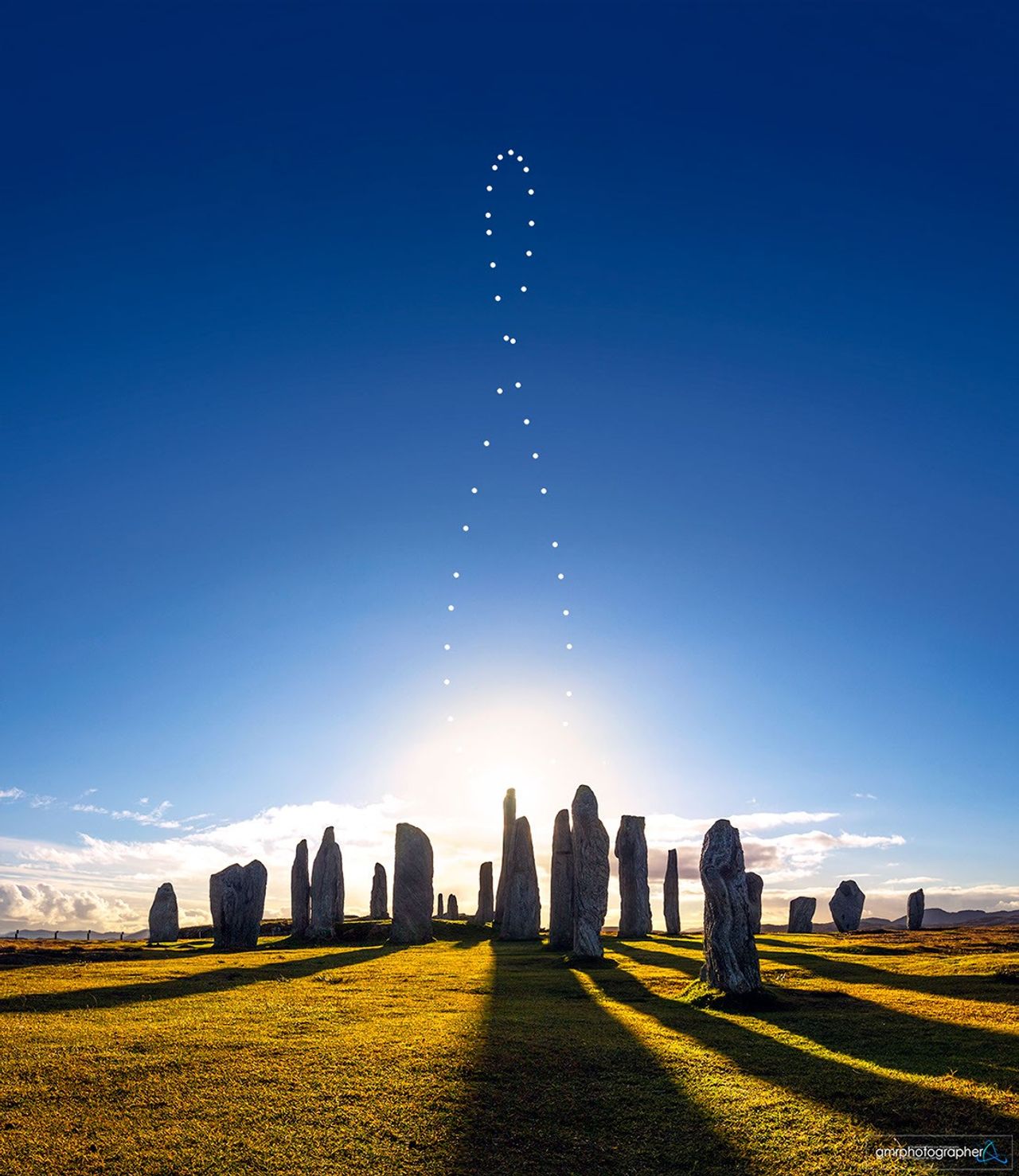
NASA's Astronomy Picture of the Day Features Analemma Over Scotland's Callanish Stones
The September 20, 2026 edition of NASA's long-running APOD series highlights a composite image showing the sun's yearly path above the ancient Callanish Stones.
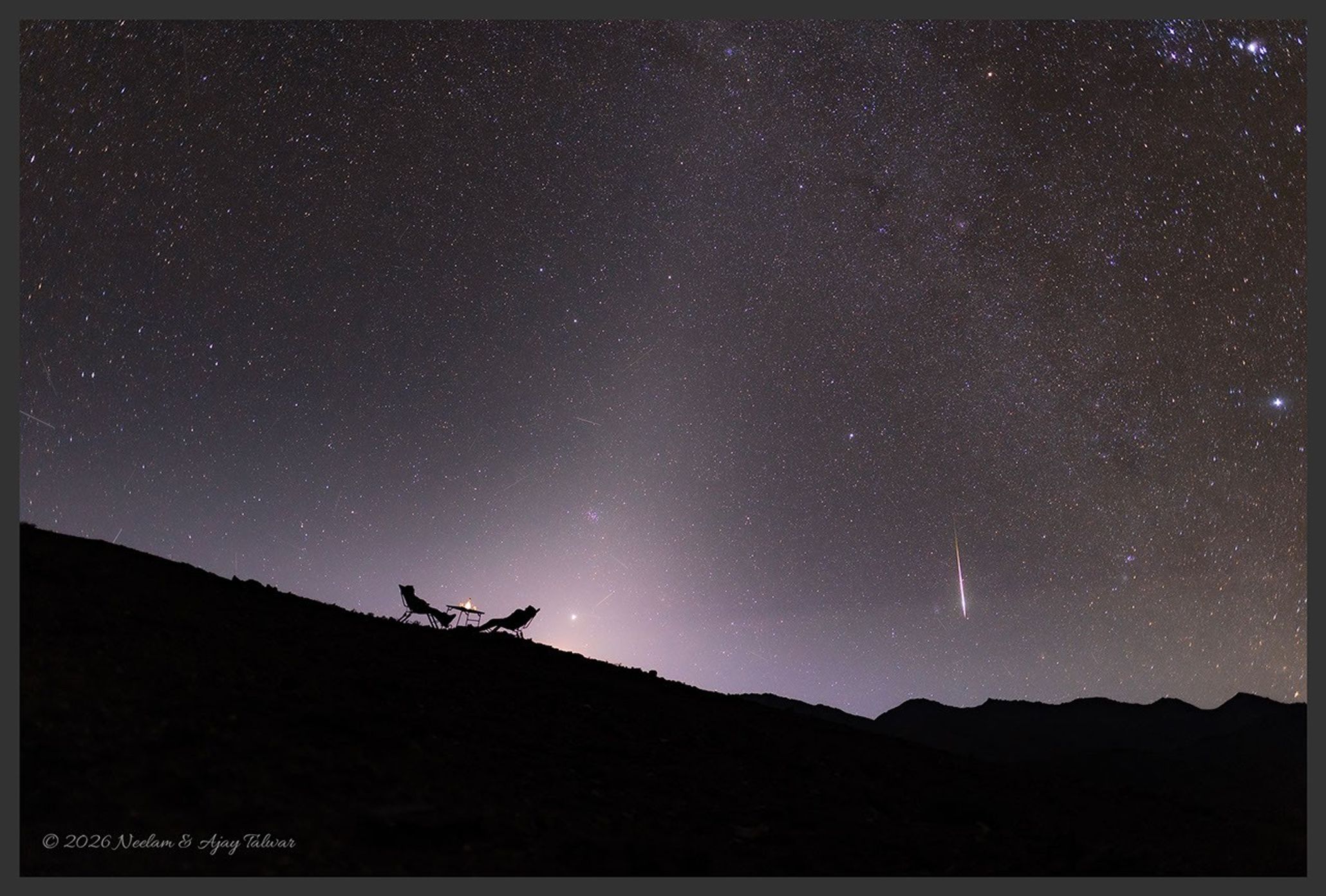
NASA’s Astronomy Picture of the Day to Feature “A Zodiacal Night” on September 19, 2026
The long-running NASA APOD series is set to showcase a night-sky image highlighting the zodiacal light, according to the program’s website.
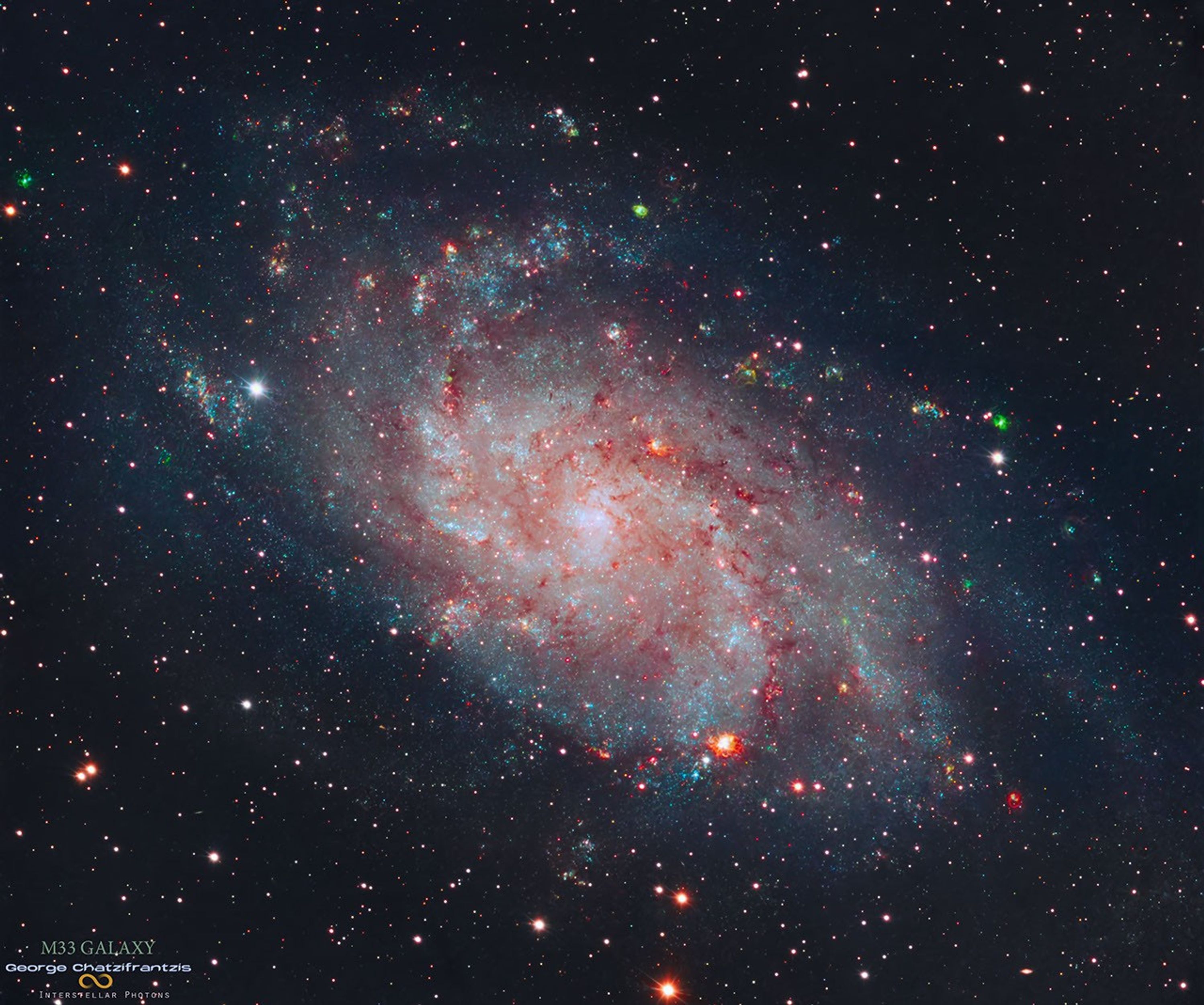
NASA’s Astronomy Picture of the Day Spotlights the Triangulum Galaxy
The September 18, 2026 edition of NASA’s long-running APOD series features Messier 33, also known as the Triangulum Galaxy.
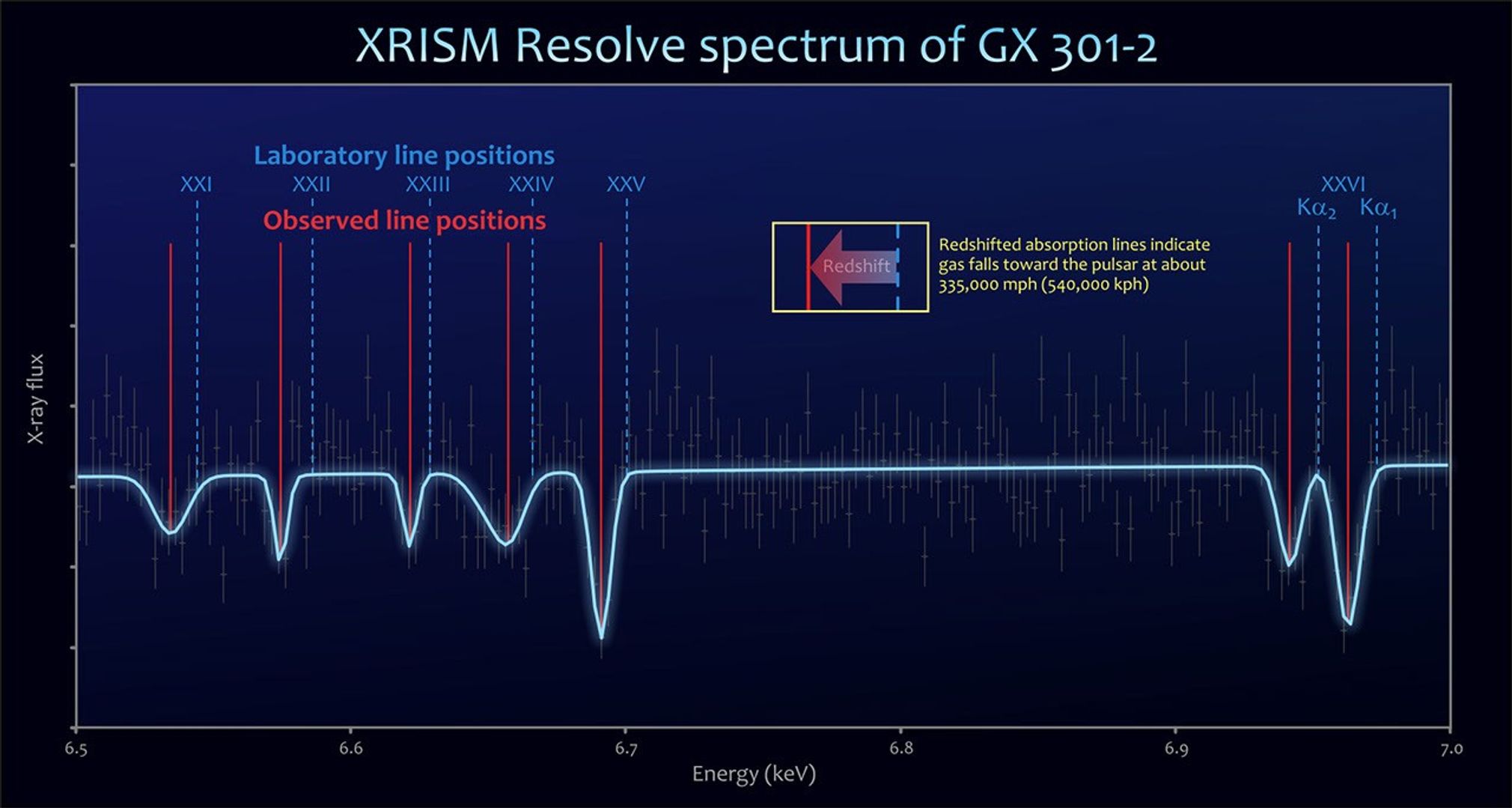
XRISM Mission Observes Pulsar Capturing Stellar Wind From Companion Star
Astronomers using the Japan-led XRISM X-ray observatory say they have directly observed a giant star's outflow being captured by a compact companion, powering intense X-ray flares.
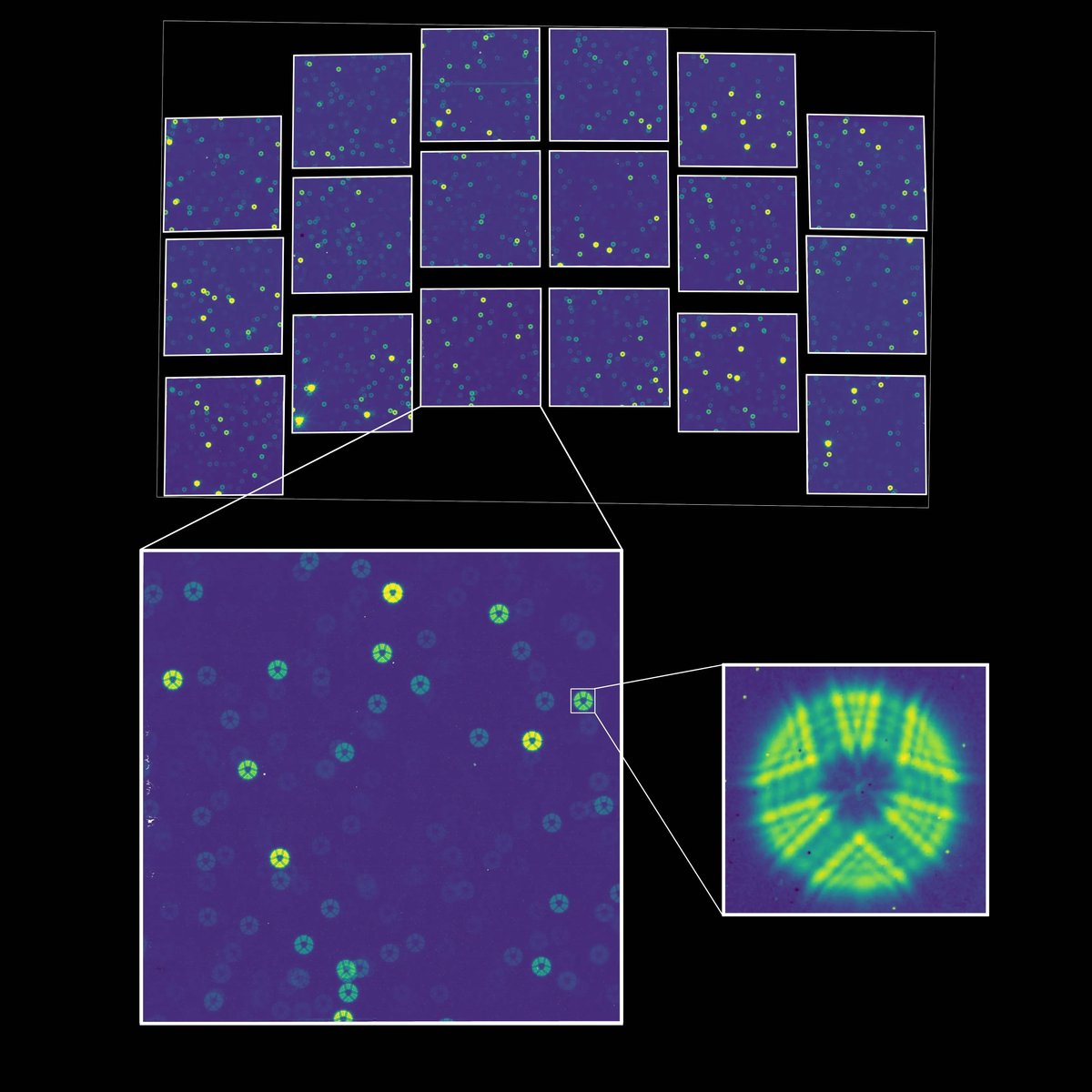
NASA's Nancy Grace Roman Space Telescope Captures First Light
The new observatory, designed to hunt for thousands of exoplanets and probe dark matter and dark energy, has recorded its first cosmic images, according to a report by Scientific American.
NASA Selects SpaceX to Launch StarBurst Gamma-Ray Detector
The small satellite mission will study neutron star mergers and short gamma-ray bursts, launching on a Falcon 9 rocket from Florida.
Comments
Loading comments…