NASA's Astronomy Picture of the Day Features Comet NEOWISE Over the Adriatic Sea
The September 13 entry in NASA's long-running APOD series highlights an image of Comet NEOWISE rising over the Adriatic Sea, according to the agency's website.
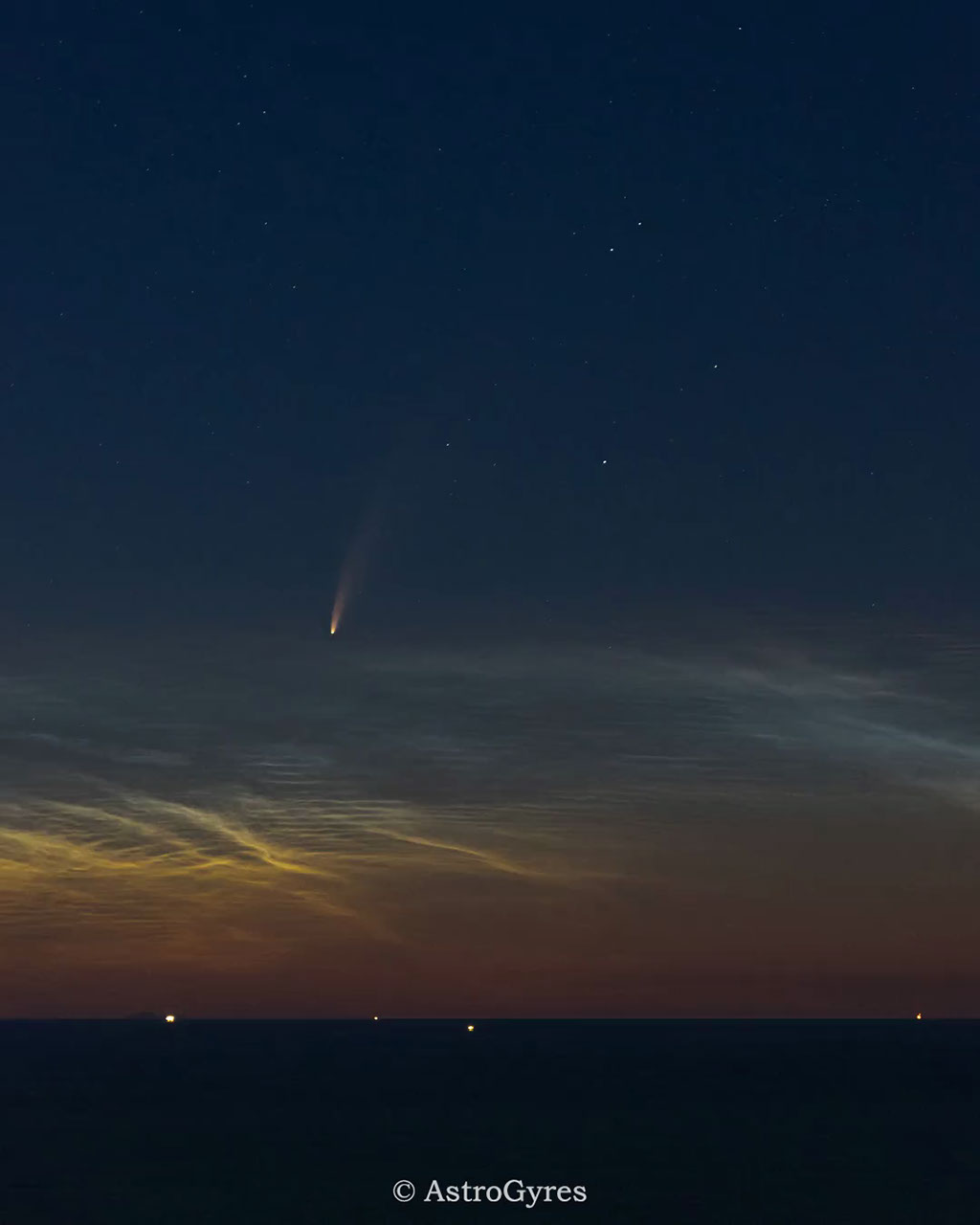
NASA's Astronomy Picture of the Day (APOD) series featured an image titled "Comet NEOWISE Rising over the Adriatic Sea" in its September 13, 2026 entry, according to the agency's science website.
APOD, hosted by NASA, publishes a new astronomical image or photograph each day accompanied by a brief explanation written by a professional astronomer, the site states. The archive allows users to browse past entries, submit images, and search previous features.
Comet NEOWISE, formally designated C/2020 F3, was discovered in March 2020 by NASA's Near-Earth Object Wide-field Infrared Survey Explorer (NEOWISE) space telescope. The comet became widely visible to observers with the naked eye during its close approach to Earth in mid-2020, drawing attention from skywatchers and photographers around the world, including along coastlines such as the Adriatic Sea.
The specific details of the September 13 APOD image, including the photographer and exact circumstances of the capture, were not included in the available excerpt from NASA's website. NASA's APOD page notes that additional explanation and image credits typically accompany each daily feature on the official site.
NASA has published APOD entries daily since 1995, according to the organization, making it one of the longest-running public astronomy education resources on the internet.
Sources
- APOD: 2026 September 13 – Comet NEOWISE Rising over the Adriatic Sea — NASA Breaking News
EGazette summarizes reporting from multiple sources; follow the links for the originals.
Related articles

NASA's Astronomy Picture of the Day Features Analemma Over Scotland's Callanish Stones
The September 20, 2026 edition of NASA's long-running APOD series highlights a composite image showing the sun's yearly path above the ancient Callanish Stones.
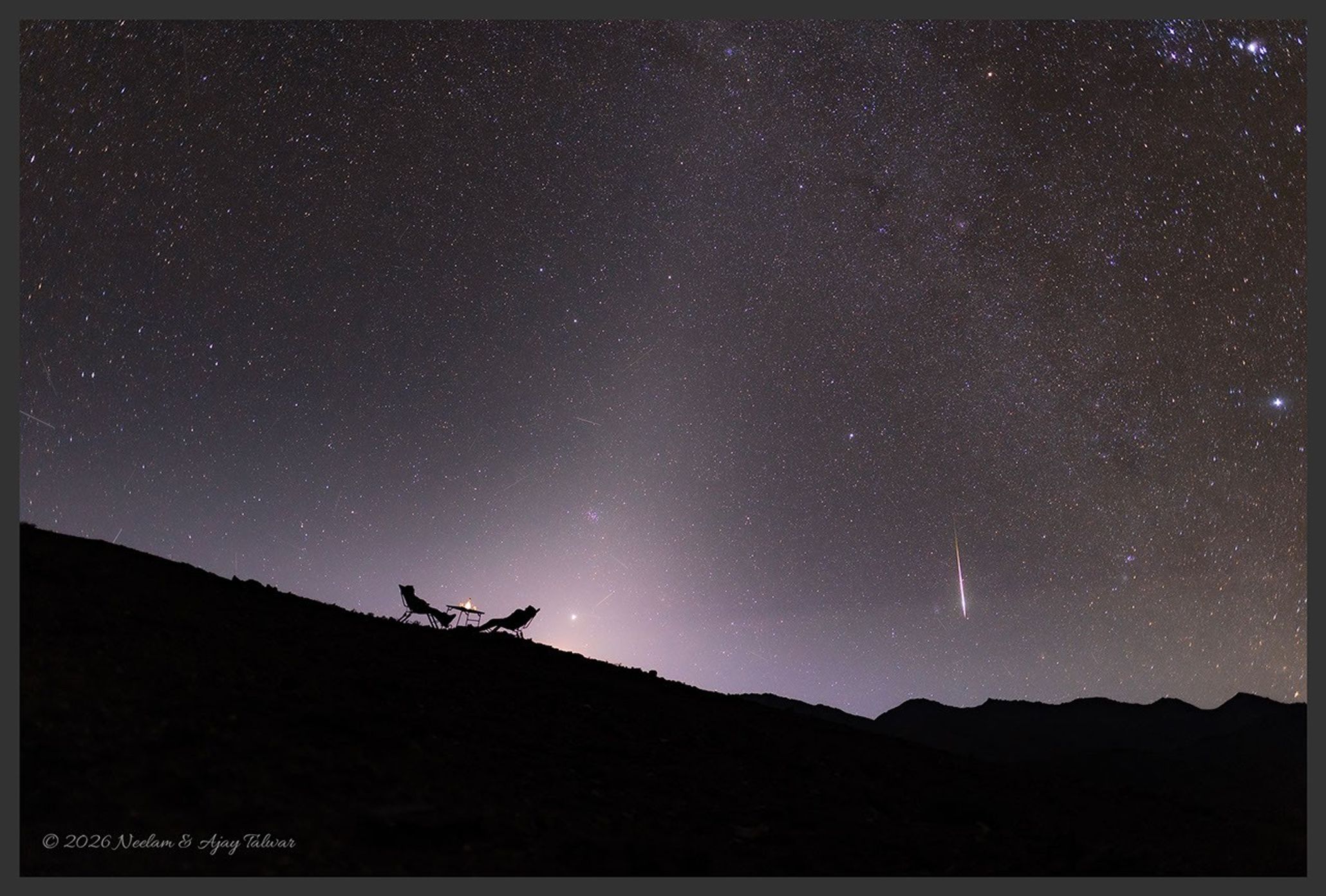
NASA’s Astronomy Picture of the Day to Feature “A Zodiacal Night” on September 19, 2026
The long-running NASA APOD series is set to showcase a night-sky image highlighting the zodiacal light, according to the program’s website.
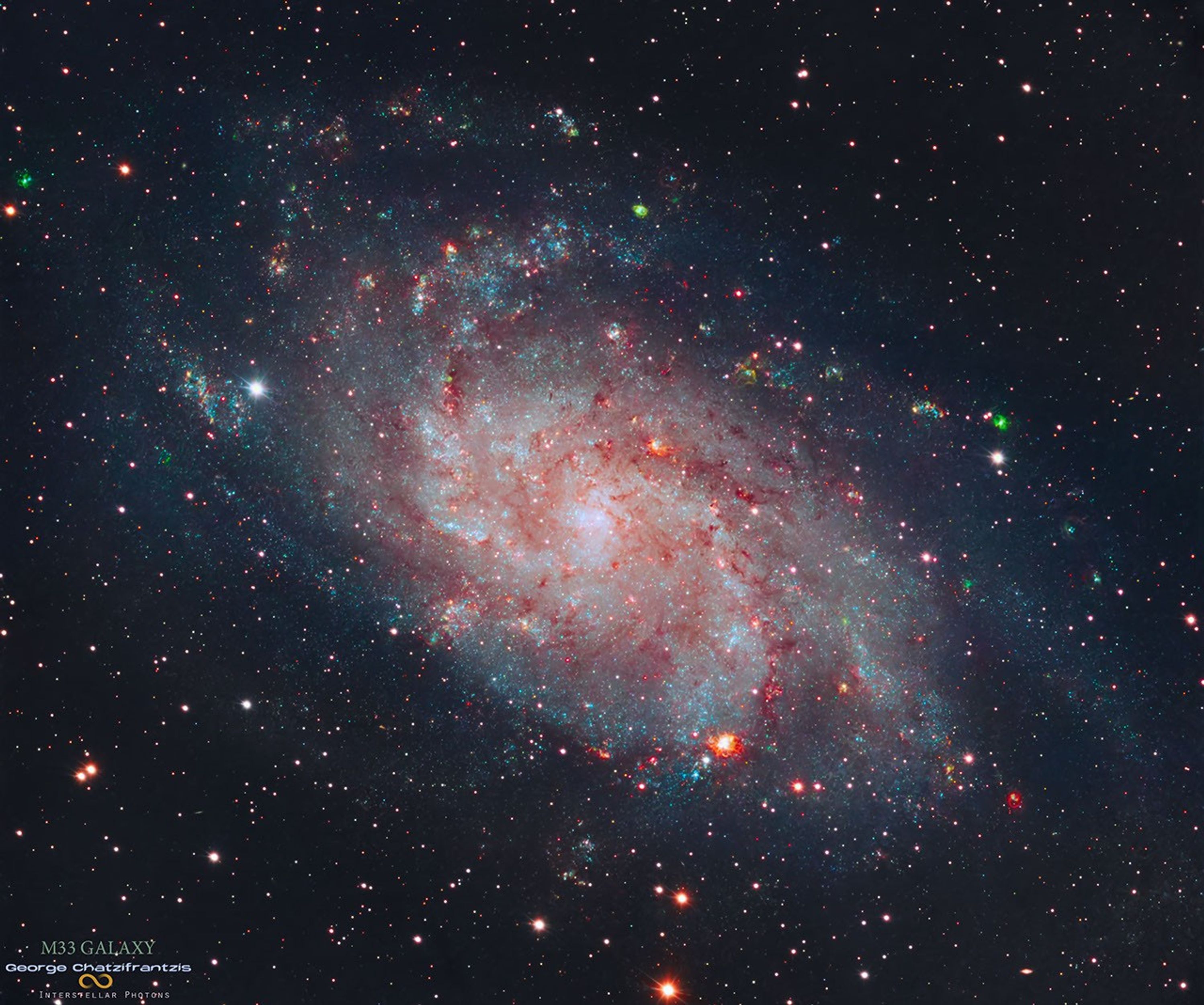
NASA’s Astronomy Picture of the Day Spotlights the Triangulum Galaxy
The September 18, 2026 edition of NASA’s long-running APOD series features Messier 33, also known as the Triangulum Galaxy.
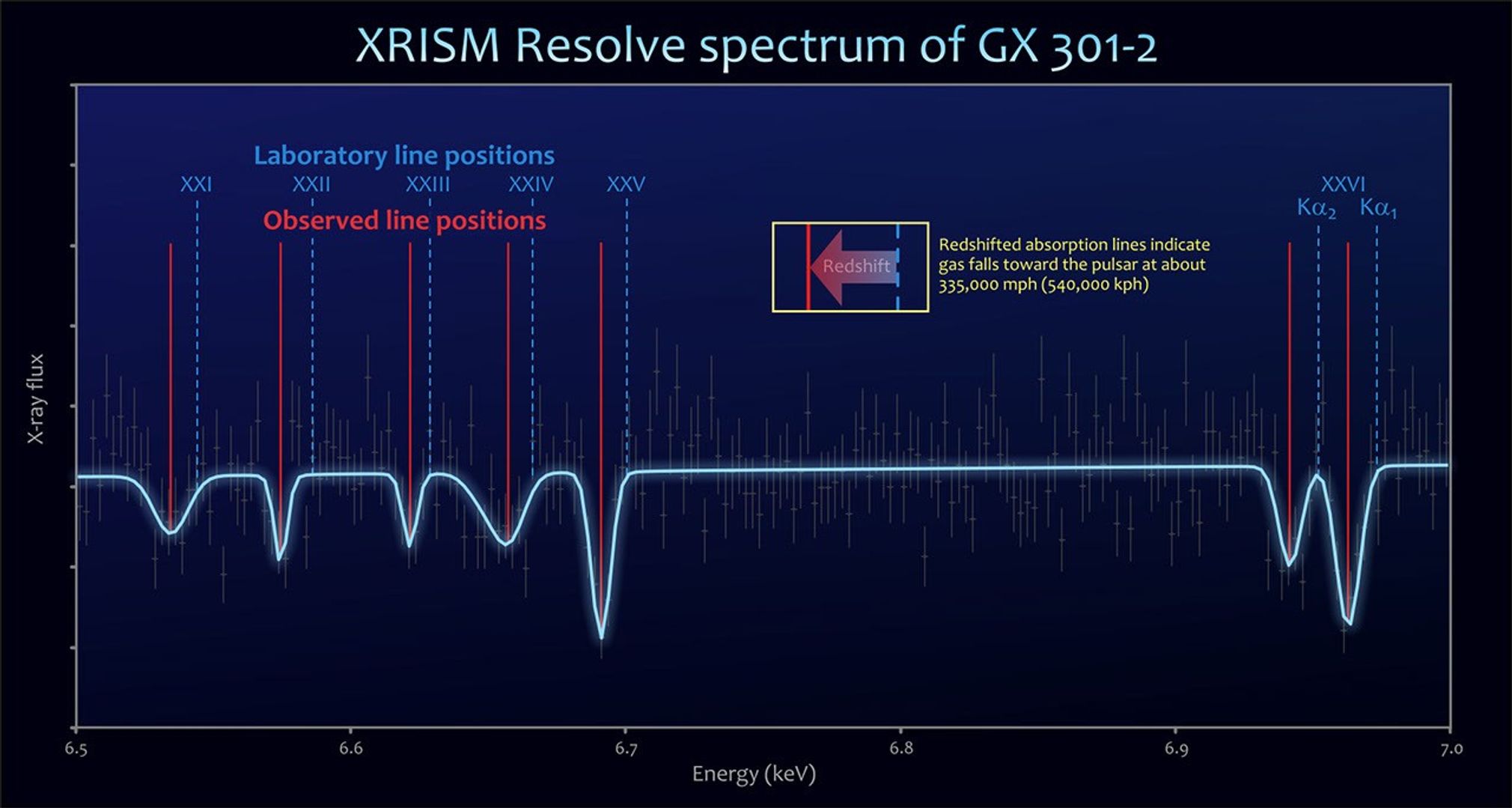
XRISM Mission Observes Pulsar Capturing Stellar Wind From Companion Star
Astronomers using the Japan-led XRISM X-ray observatory say they have directly observed a giant star's outflow being captured by a compact companion, powering intense X-ray flares.
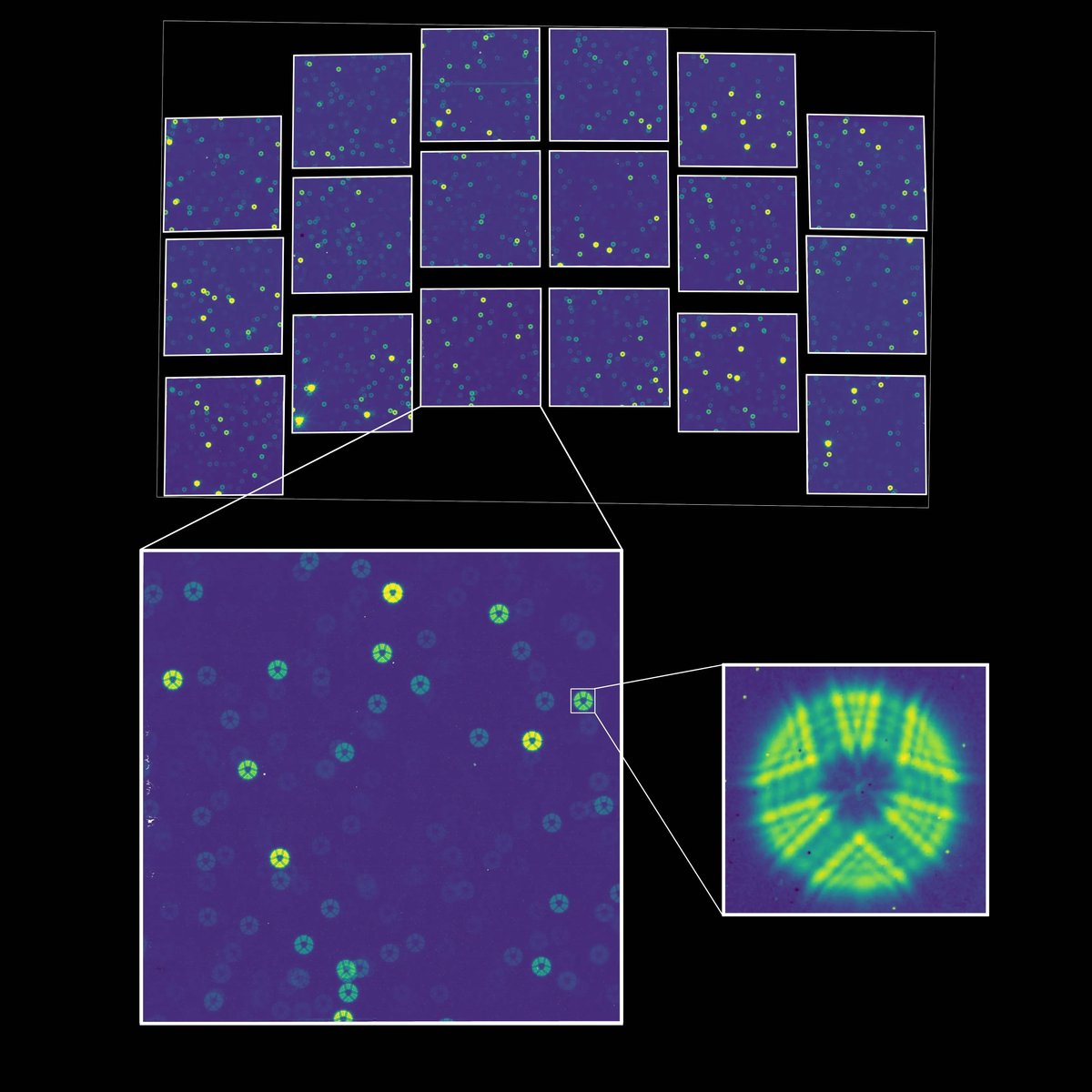
NASA's Nancy Grace Roman Space Telescope Captures First Light
The new observatory, designed to hunt for thousands of exoplanets and probe dark matter and dark energy, has recorded its first cosmic images, according to a report by Scientific American.
NASA Selects SpaceX to Launch StarBurst Gamma-Ray Detector
The small satellite mission will study neutron star mergers and short gamma-ray bursts, launching on a Falcon 9 rocket from Florida.
Comments
Loading comments…