NASA Reports Discovery of Rare Lunar Crater Larger Than Roman Colosseum
Scientists say the crater resulted from a powerful impact on the moon two years ago that initially went undetected. @@G:DEK@@

Scientists have identified a newly formed crater on the moon that is larger than the Roman Colosseum, according to a report by France 24. The crater is believed to be the result of a powerful impact that occurred roughly two years ago but was not detected at the time.
Researchers described the discovery as a "once in a century" event, the report said, though the source did not specify the exact size of the crater, its precise location on the lunar surface, or the object believed to have caused the impact.
According to the report, the impact's effects went unnoticed when they initially occurred, and the crater was only identified later through subsequent observation and analysis. The source did not detail the methods used to detect or confirm the crater's formation.
NASA has not released additional technical details beyond what was reported, including the specific instruments or missions involved in the finding. The report did not indicate whether further studies of the crater are planned.
The France 24 report characterized the finding as rare, comparing the scale of the crater to the ancient Roman Colosseum as a size reference for readers, but did not provide further scientific context such as the crater's diameter or depth.
Sources
- NASA finds a 'once in a century' lunar crater, bigger than the Roman Colosseum — France 24 — English
EGazette summarizes reporting from multiple sources; follow the links for the originals.
Related articles
NASA Selects SpaceX to Launch StarBurst Gamma-Ray Detector
The small satellite mission will study neutron star mergers and short gamma-ray bursts, launching on a Falcon 9 rocket from Florida.
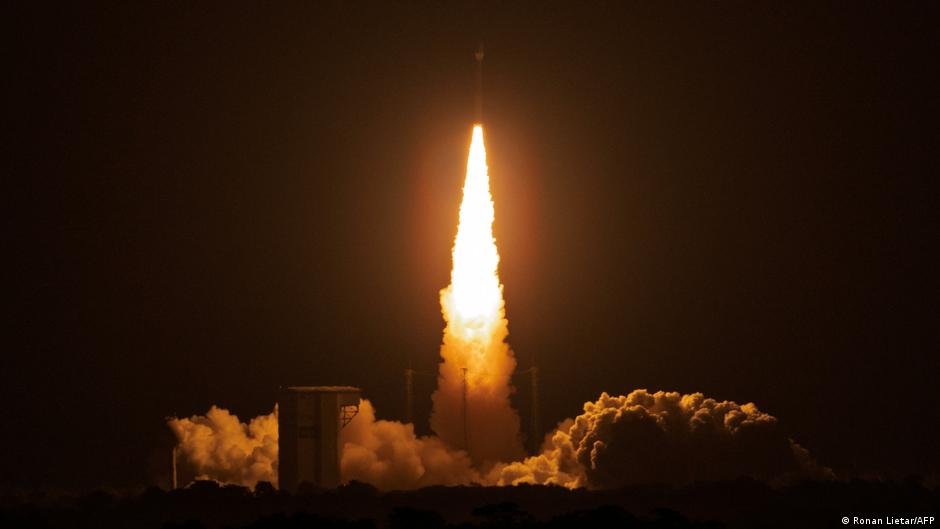
European Space Agency Launches Two Satellites to Monitor Climate Change
The new satellites will help scientists study the effects of climate change, with one instrument dedicated to observing plant life
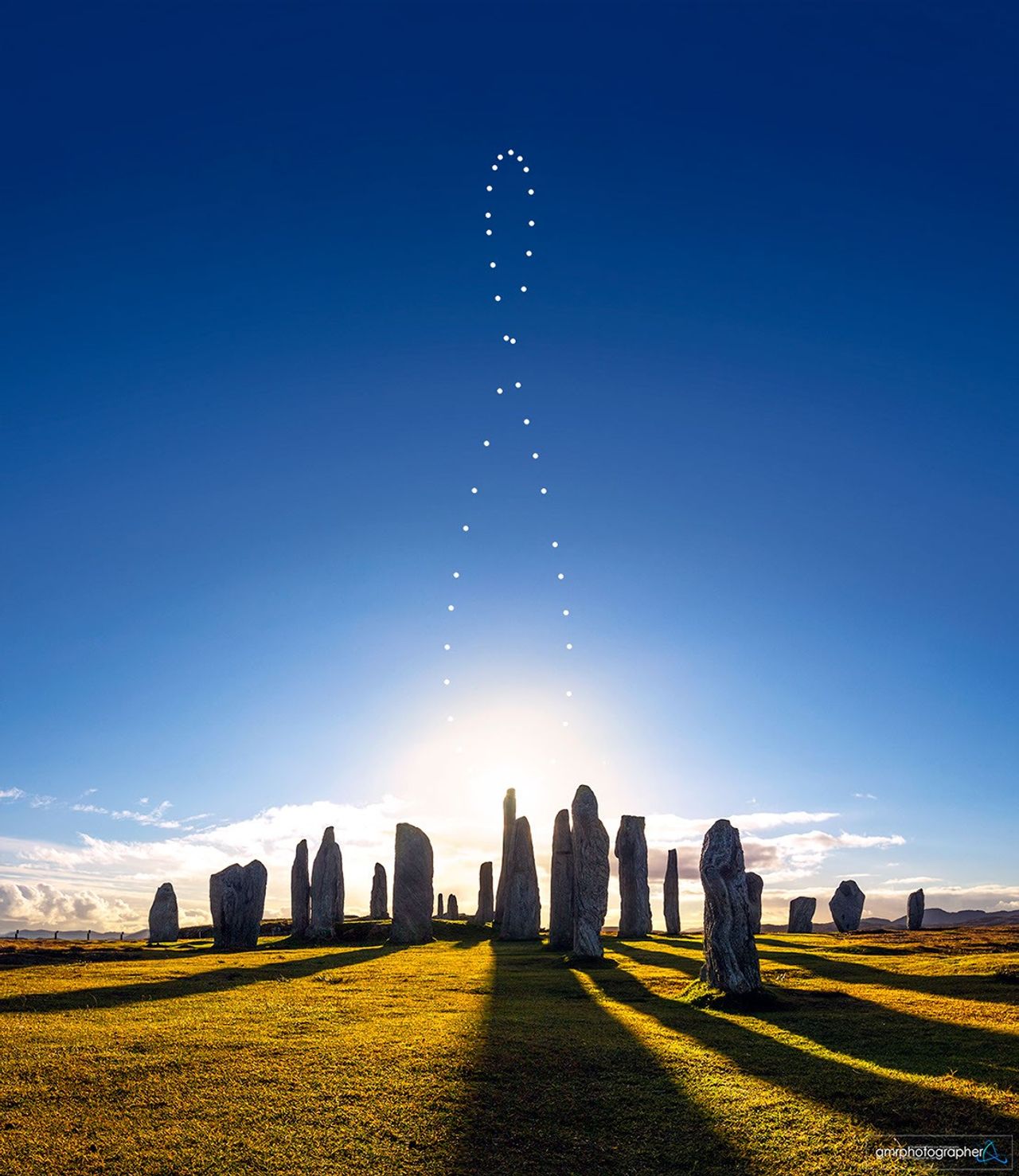
NASA's Astronomy Picture of the Day Features Analemma Over Scotland's Callanish Stones
The September 20, 2026 edition of NASA's long-running APOD series highlights a composite image showing the sun's yearly path above the ancient Callanish Stones.

BBC's 'Tech Now' Follows NASA Scientists Studying Solar Eclipse in Iceland
A new episode of the BBC technology programme features reporter Adrienne Murray accompanying NASA researchers examining a rare total solar eclipse.
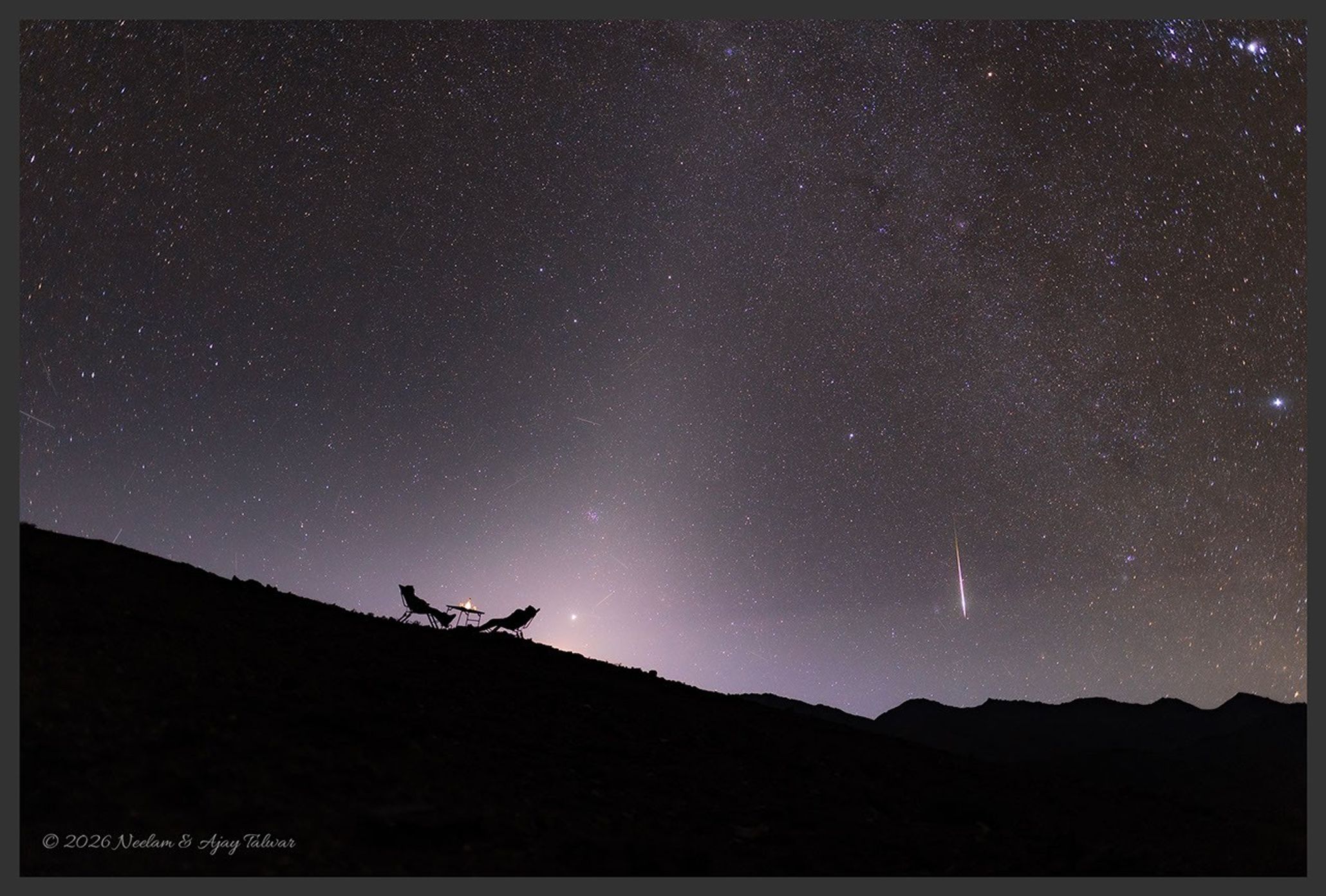
NASA’s Astronomy Picture of the Day to Feature “A Zodiacal Night” on September 19, 2026
The long-running NASA APOD series is set to showcase a night-sky image highlighting the zodiacal light, according to the program’s website.
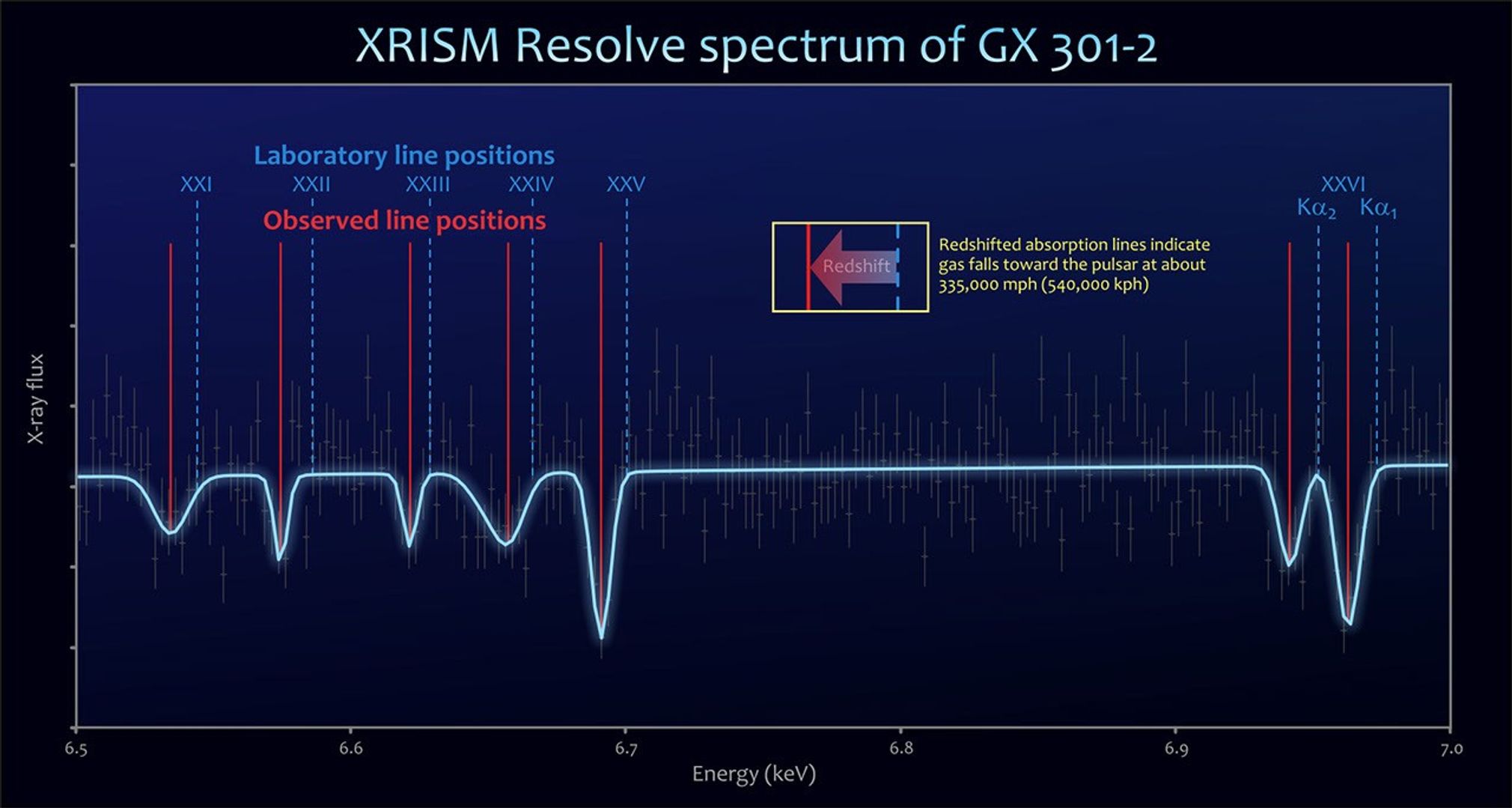
XRISM Mission Observes Pulsar Capturing Stellar Wind From Companion Star
Astronomers using the Japan-led XRISM X-ray observatory say they have directly observed a giant star's outflow being captured by a compact companion, powering intense X-ray flares.
Comments
Loading comments…