NASA Earth Observatory Highlights Unusual Rock Formations at Vasquez Rocks
The agency's Earth Observatory describes how tilted sedimentary layers at a Southern California park, long favored by film and television producers, reveal a history of tectonic upheaval.
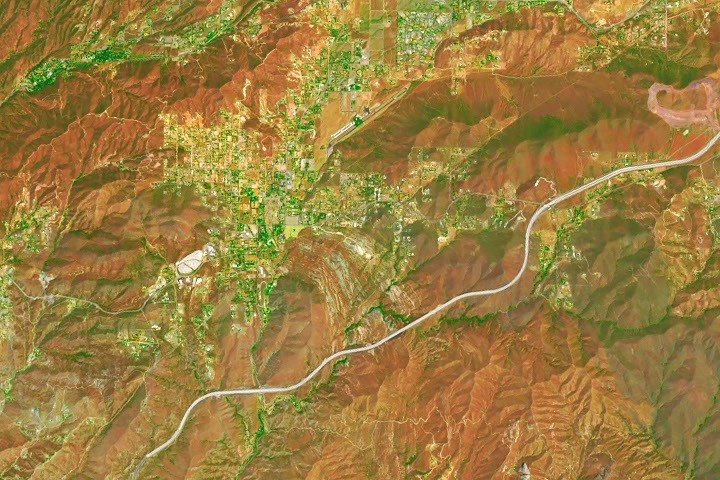
NASA's Earth Observatory has published an article examining the distinctive rock formations at Vasquez Rocks Natural Area Park, located in the Soledad Basin north of Los Angeles, California.
According to the report, the park is characterized by layers of sedimentary rock that jut from the ground at steep, unusual angles. These formations have drawn attention from television and film producers for decades, including crews behind the Star Trek franchise, which has used the site as a filming location, the article noted.
NASA Earth Observatory attributed the rocks' dramatic tilt to geologic processes tied to regional tectonic activity. The sedimentary layers, originally deposited horizontally, were later uplifted and rotated by movement associated with fault systems in the area, according to the publication.
The Soledad Basin sits within a seismically active region of Southern California shaped by the broader San Andreas Fault system, which has historically produced significant deformation in local rock layers over millions of years, the report said.
The park's striking visual features, a product of this geologic history, have made it a recurring backdrop for productions seeking landscapes with an unfamiliar or otherworldly appearance, NASA Earth Observatory said.
Sources
- The Otherworldly Geology of Vasquez Rocks — NASA Breaking News
EGazette summarizes reporting from multiple sources; follow the links for the originals.
Related articles
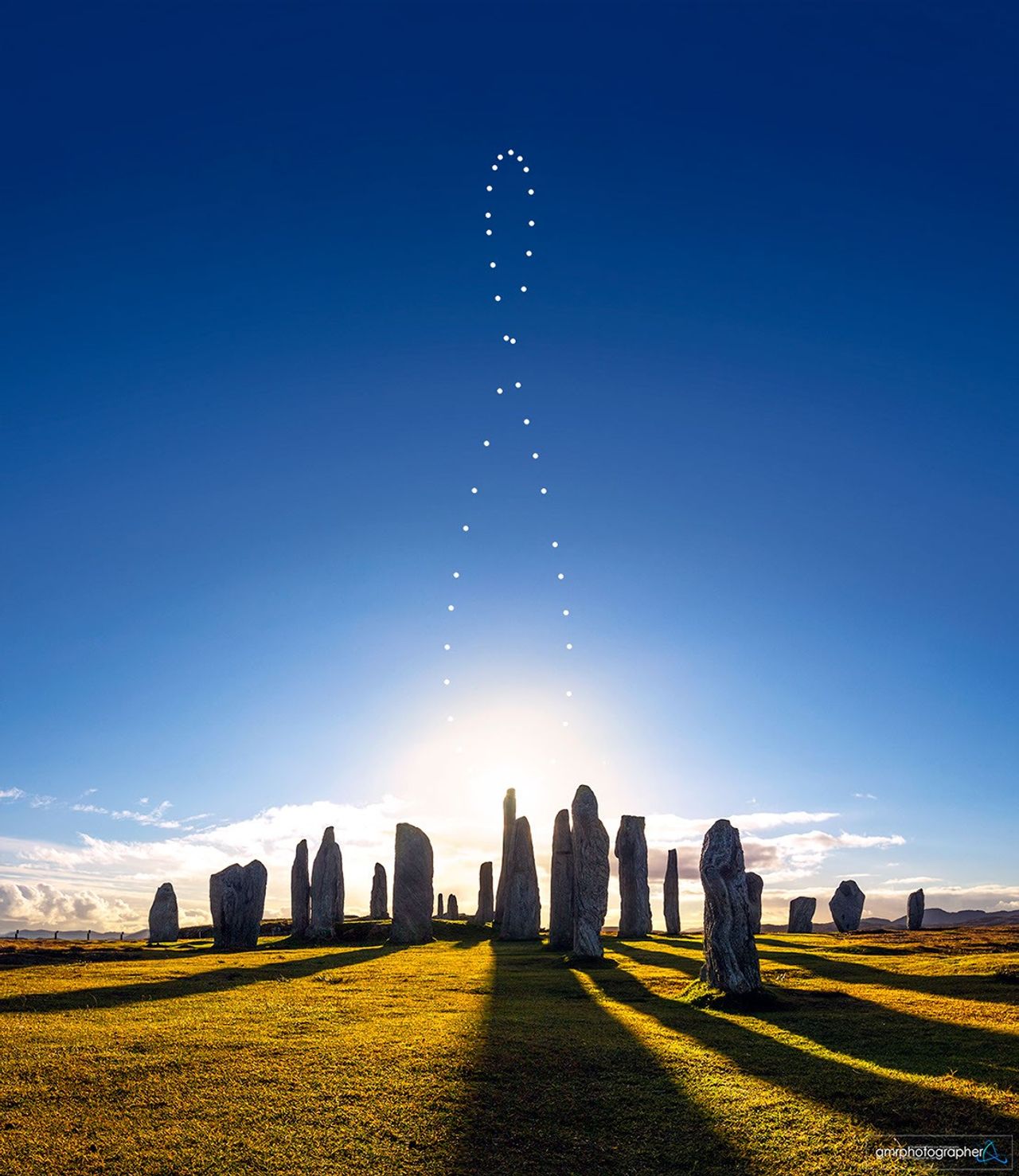
NASA's Astronomy Picture of the Day Features Analemma Over Scotland's Callanish Stones
The September 20, 2026 edition of NASA's long-running APOD series highlights a composite image showing the sun's yearly path above the ancient Callanish Stones.

BBC's 'Tech Now' Follows NASA Scientists Studying Solar Eclipse in Iceland
A new episode of the BBC technology programme features reporter Adrienne Murray accompanying NASA researchers examining a rare total solar eclipse.
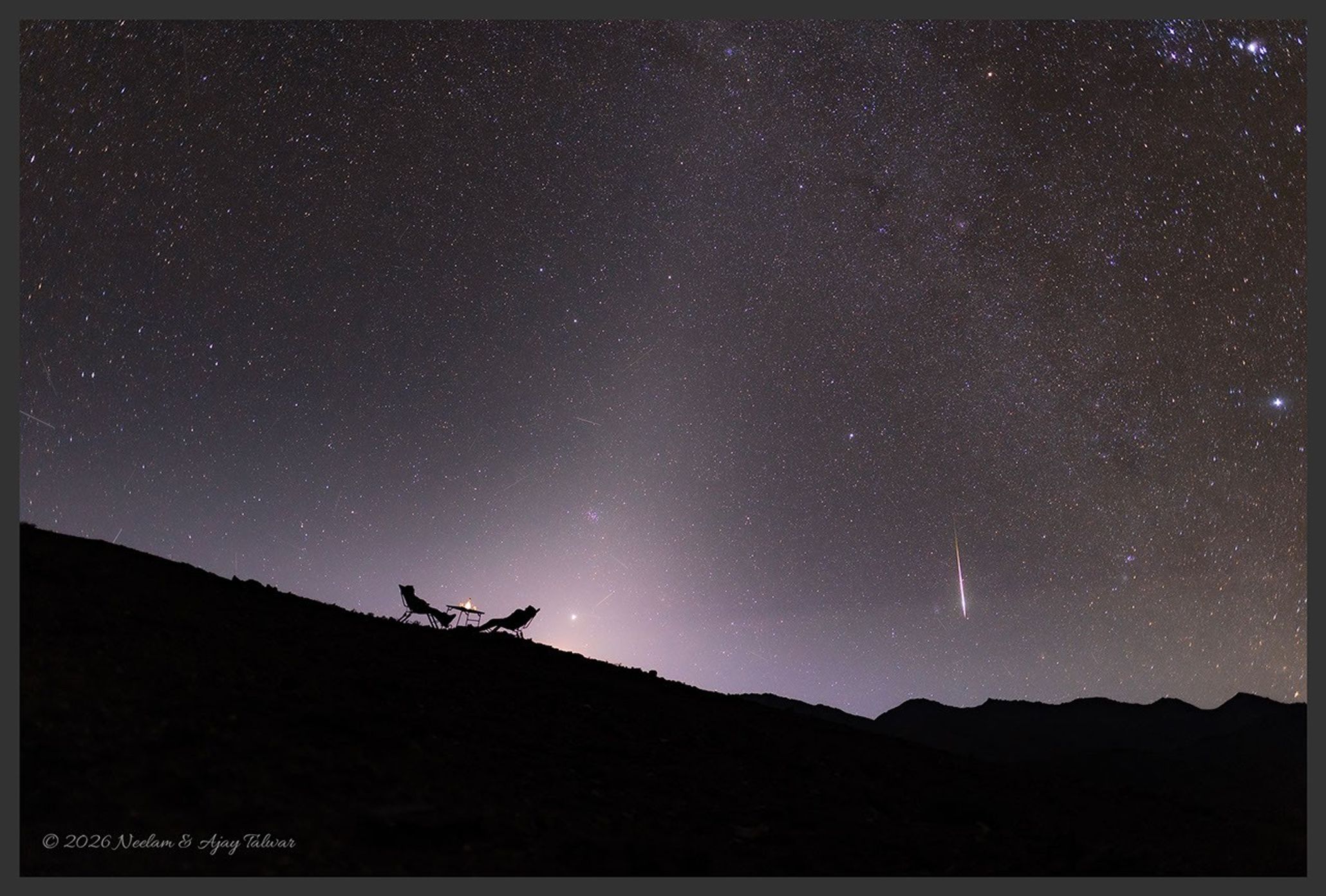
NASA’s Astronomy Picture of the Day to Feature “A Zodiacal Night” on September 19, 2026
The long-running NASA APOD series is set to showcase a night-sky image highlighting the zodiacal light, according to the program’s website.
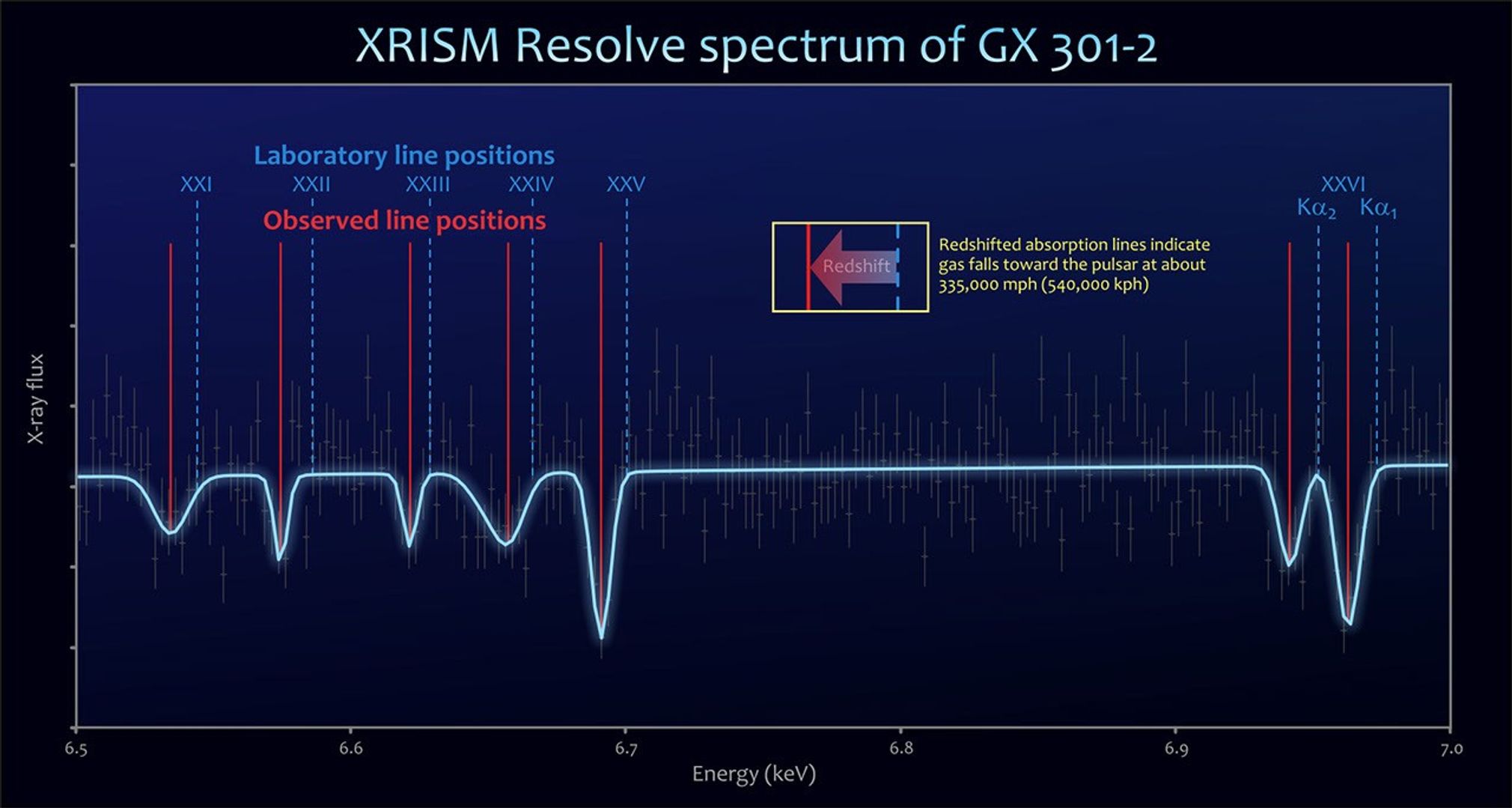
XRISM Mission Observes Pulsar Capturing Stellar Wind From Companion Star
Astronomers using the Japan-led XRISM X-ray observatory say they have directly observed a giant star's outflow being captured by a compact companion, powering intense X-ray flares.

NASA Awards SpaceX Three Additional Crew Missions to Space Station
Contract modification extends SpaceX’s role in ferrying astronauts to the International Space Station under NASA’s Commercial Crew Program
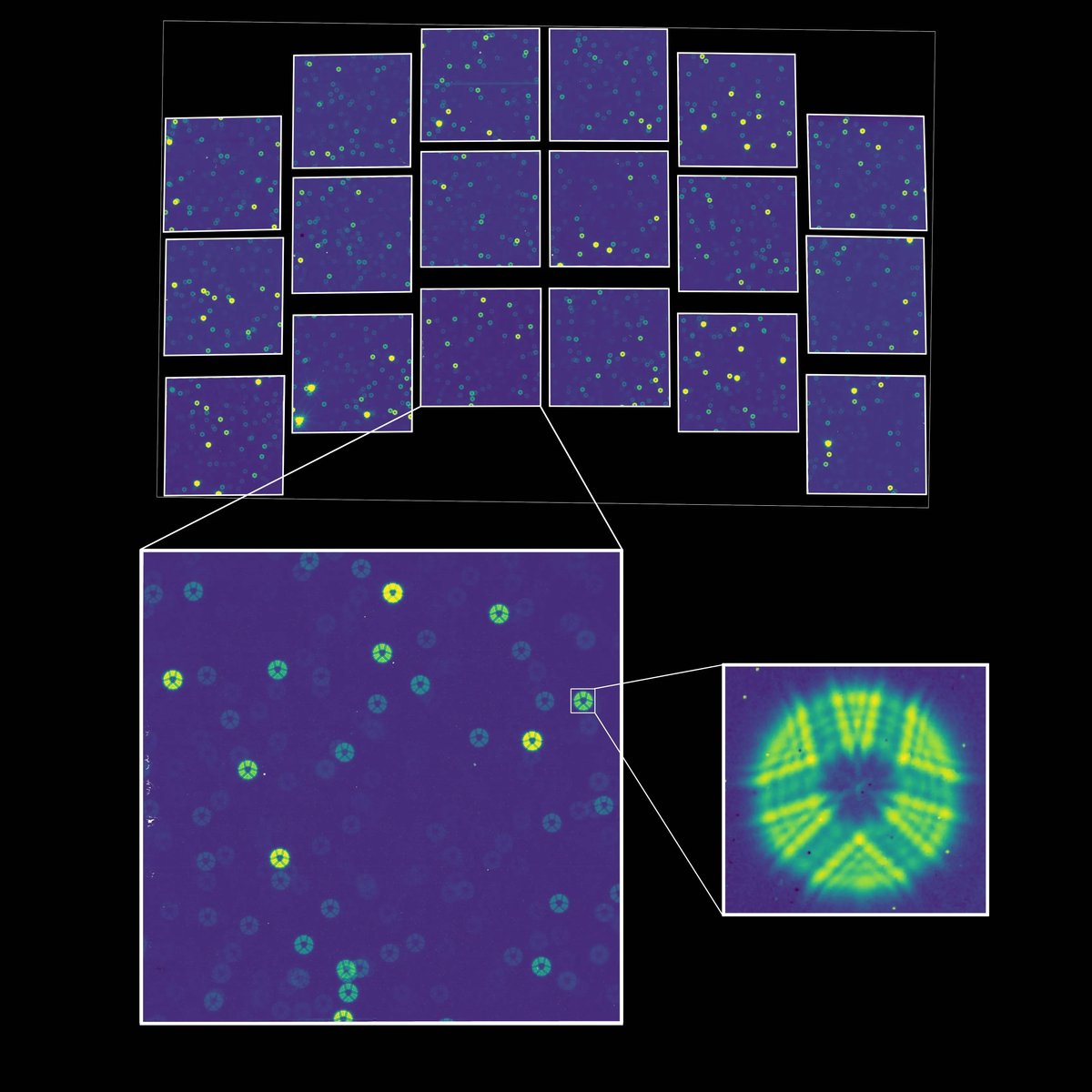
NASA's Nancy Grace Roman Space Telescope Captures First Light
The new observatory, designed to hunt for thousands of exoplanets and probe dark matter and dark energy, has recorded its first cosmic images, according to a report by Scientific American.
Comments
Loading comments…