NASA administrator voices concern China could restrict access to parts of the Moon's south pole
The NASA chief warned that being second to reach key areas of the lunar south pole could have lasting symbolic and strategic consequences.
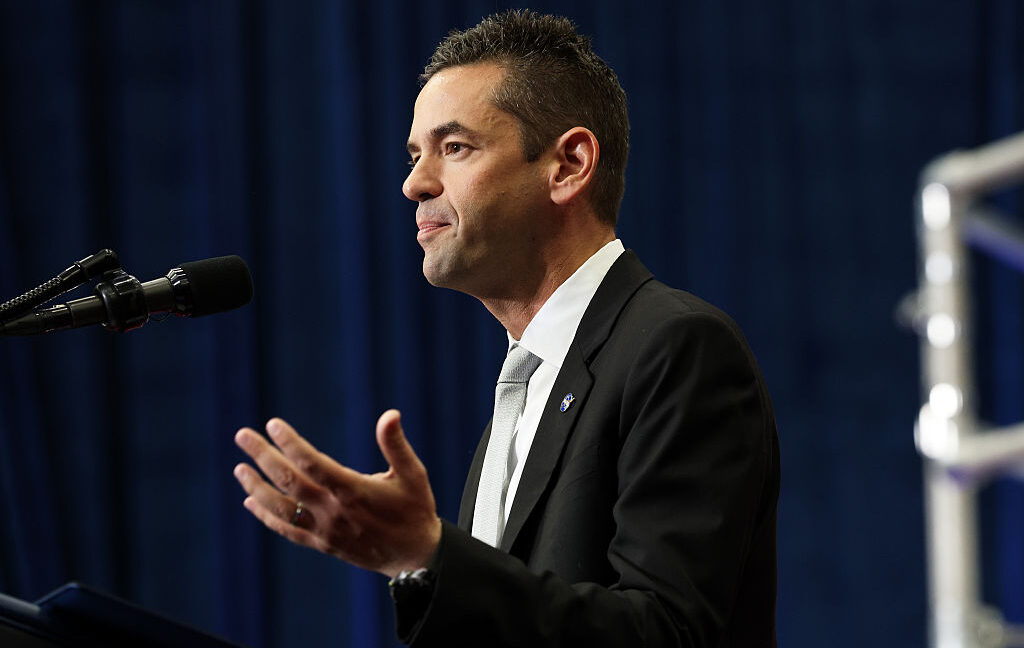
NASA's administrator has expressed concern that China could seek to deny other nations access to certain areas of the Moon's south pole, a region considered scientifically and strategically valuable due to the presence of water ice and other resources, according to a report by Ars Technica.
The comments reflect ongoing competition between the United States and China over lunar exploration, particularly around the south pole, which both countries have identified as a priority target for future crewed and robotic missions due to its potential resources and suitability for sustained human presence.
Symbolic stakes of a lunar return
The NASA chief was quoted as saying that falling short in the race to have astronauts reach key lunar locations first would carry consequences felt well beyond the scientific community, framing the competition partly in terms of national prestige and geopolitical signalling, in addition to the practical benefits of establishing a research or resource presence at the pole.
The lunar south pole has become a focal point for multiple national space programmes because permanently shadowed craters in the region are believed to contain water ice, a resource that could support future exploration by providing drinking water, oxygen or rocket propellant.
The remarks add to a broader pattern of statements from US space officials framing lunar exploration in competitive terms relative to China's own advancing space programme, as both countries pursue plans for crewed missions to the lunar surface in the coming years.
Sources
EGazette summarizes reporting from multiple sources; follow the links for the originals.
Related articles

Trump and Xi meeting: how did the encounter between the world's two most powerful leaders unfold?
BBC China correspondent Laura Bicker examines how the high-profile meeting between the US and Chinese leaders played out for both Beijing and Washington.

Atlanta is getting pandas as China's Xi revives panda diplomacy at US summit
Chinese President Xi Jinping promised two giant pandas to Zoo Atlanta, reviving a decades-old diplomatic gesture during his visit with President Trump.

Trump-Xi summit: key takeaways from the Washington meeting
The US and Chinese presidents sought stable ties at the White House, though differences over Iran, Taiwan and trade remained unresolved.

China's Xi urges US to cooperate on artificial intelligence during White House visit
Chinese President Xi Jinping made the call for AI cooperation as President Donald Trump hosted him on Thursday.
Xi Jinping calls new US-China trade deal good news for global economy
The Chinese leader said the agreement benefits industries in both countries, according to Russian state news agency TASS.
Iran's president says Tehran ready for agreements with any legitimate US government
President Masoud Pezeshkian said Iran is open to deals with the United States that comply with international law.
Comments
Loading comments…