Most UK family doctors lack time for in-depth conversations with patients, research finds
A professional body representing GPs says the majority no longer have time to discuss preventative health measures with patients, The Guardian reports.
Written by EGazette’s AI. The facts are drawn from cited sources; the analysis is the AI’s own.
Three in four family doctors in the UK say they are too busy to have in-depth conversations with their patients, according to research from GPs' professional body cited by The Guardian.
The findings suggest that a friendly chat with a GP about a patient's life, health and general wellbeing — once considered a routine part of Britain's family doctor service — has become increasingly rare. The research attributes the shift to GPs facing a growing workload driven by rising rates of illness across the country.
In the UK, GPs are typically the first point of contact for patients within the National Health Service, with the family doctor model traditionally built around continuity of care and long-term relationships between doctors and patients rather than one-off treatment. The research suggests that model is increasingly difficult to sustain under current pressures.
Because many appointments are now dominated by addressing acute or urgent concerns, doctors reportedly have little opportunity to discuss preventative measures, such as lifestyle changes, that could reduce patients' long-term health risks. The Guardian's report does not detail specific policy proposals put forward by the GPs' professional body in response.
Sources
- Three in four UK GPs ‘too busy to talk to their patients in depth’ — The Guardian — World
EGazette summarizes reporting from multiple sources; follow the links for the originals.
Comments
Loading comments…
Related articles
NHS trust removes 10 staff from duty after data breach involving Noah Woods's records
East Suffolk and North Essex NHS Foundation Trust apologised after the medical records of a toddler who died in Brantham were accessed without authorisation.
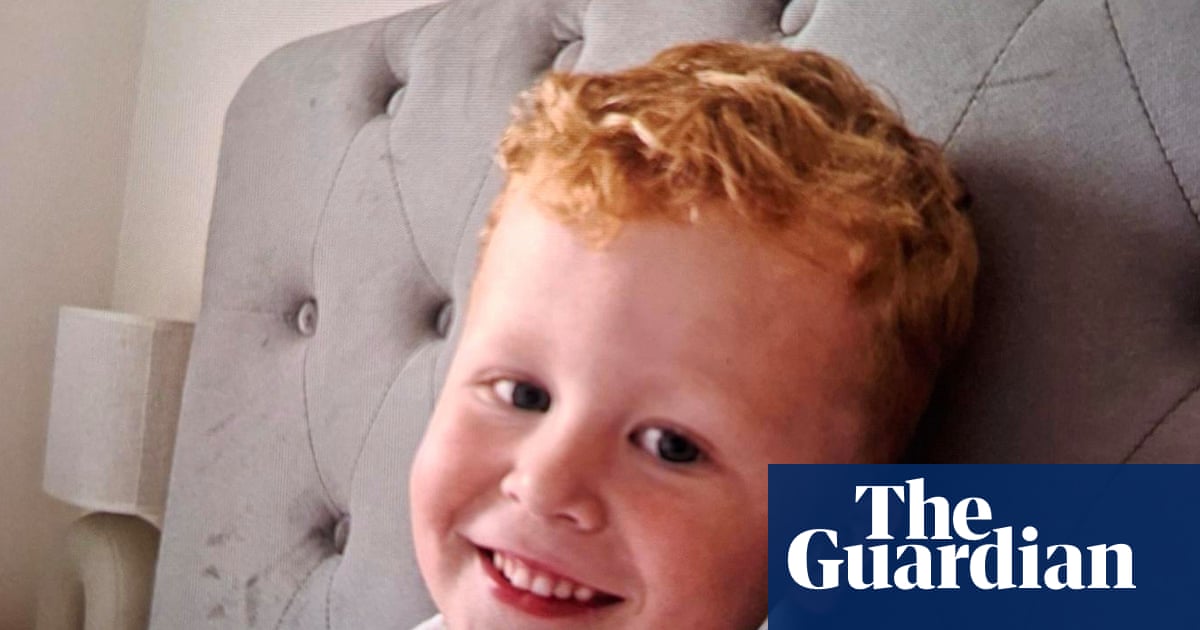
NHS Trust Apologises After Unauthorised Access to Records of Boy Found Dead in Suffolk
Ten staff have been suspended after medical records belonging to three-year-old Noah Woods, who died after going missing in Suffolk, were accessed without authorisation.
Burnham proposes NHS-style social care system for England
The prime minister told the BBC that social care in England is 'as unfair as American healthcare' as he set out plans for a new system.
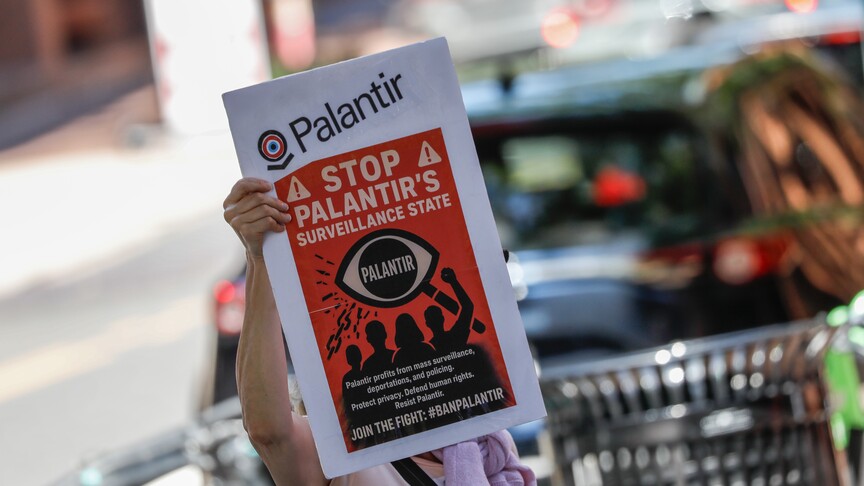
UK Labour members push to cancel NHS data contract with Palantir
An emergency motion urges the government to invoke a 2027 break clause in its contract with Palantir amid concerns over the firm's human rights record.

Yemen's health system risks collapse in some areas, minister warns
A Yemeni minister told Al Jazeera that years of war have strained resources to the point that healthcare may not be able to meet the population's needs in some areas.

Leeds Baby Bank Issues Urgent Appeal as Demand for Support Surges
The founder of Leeds Baby Bank says referrals to the charity have risen sharply, prompting an urgent call for donations and support.