Morocco's Elections Reveal Fragmented Vote and Rising PJD Support
PAM led the vote while the Islamist PJD quadrupled its seats, as turnout hit its second-lowest level under King Mohammed VI.
Morocco's recent parliamentary elections produced a fragmented result, with the Party of Authenticity and Modernity (PAM) emerging as the leading party while the Islamist Justice and Development Party (PJD) staged a notable comeback, quadrupling the number of seats it holds.
The election also saw voter turnout fall to its second-lowest level recorded under the reign of King Mohammed VI, pointing to continued public disengagement from the electoral process despite the notable shifts in party fortunes.
A Divided Political Landscape
The combination of a fragmented outcome and low turnout suggests a political landscape in which no single party has secured a dominant mandate. PAM's lead positions it as a central player in forming a governing coalition, but the PJD's expanded presence indicates a partial recovery for the Islamist party after previous electoral setbacks.
Analysts often point to low turnout in Moroccan elections as a sign of broader public skepticism toward the political process, even as parties compete actively for parliamentary seats. The scale of PJD's seat gains, quadrupling its prior total, marks one of the more significant shifts in this election cycle.
Coalition talks and the formation of a new government are expected to follow as parties respond to the fragmented results.
Sources
- Morocco’s elections: Fragmentation, disengagement and PJD’s major return — Al Jazeera — All
EGazette summarizes reporting from multiple sources; follow the links for the originals.
Related articles

Report: Chiefs aim to reduce RB Walker's workload 'a little bit
A report from ESPN sets out the main available details, with claims kept attributed to their sources.

Report: Buttler injury halts England as Sri Lanka level series
A report from BBC Sport sets out the main available details, with claims kept attributed to their sources.

Report: Rebuilding Gaza to require $71.5 bln — UN Conference on Trade and Development
A report from TASS (Russia) sets out the main available details, with claims kept attributed to their sources.

Report: KFC debuts Open House restaurant in Texas to test new customer experiences
A report from CNBC — Top News sets out the main available details, with claims kept attributed to their sources.

Report: In one of their last votes before November, Senate GOP blocks effort to end Iran war
A report from NPR News sets out the main available details, with claims kept attributed to their sources.
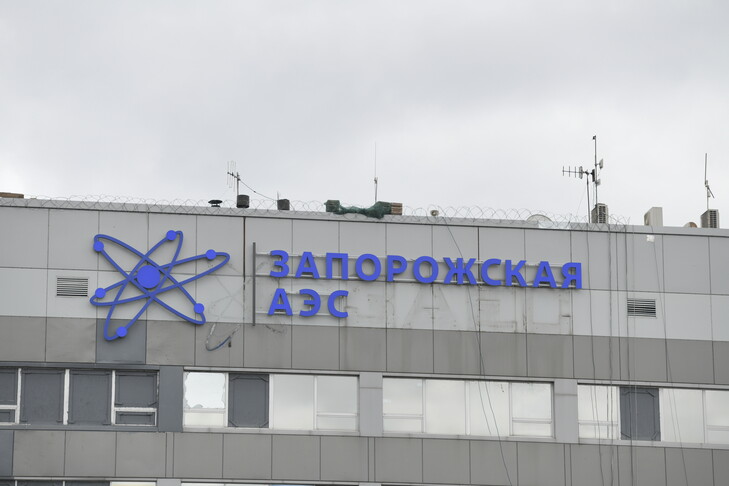
Report: Lavrov, UN nuclear watchdog chief discuss Zaporizhzhia plant, Iran nuclear program
A report from Anadolu Agency (Turkey) sets out the main available details, with claims kept attributed to their sources.
Comments
Loading comments…