Medieval Manuscripts Contain Genetic Evidence of Historic Sheeppox Virus
Researchers have identified viral genetic material in ancient manuscripts, suggesting historical documents can serve as biological records of past disease outbreaks.
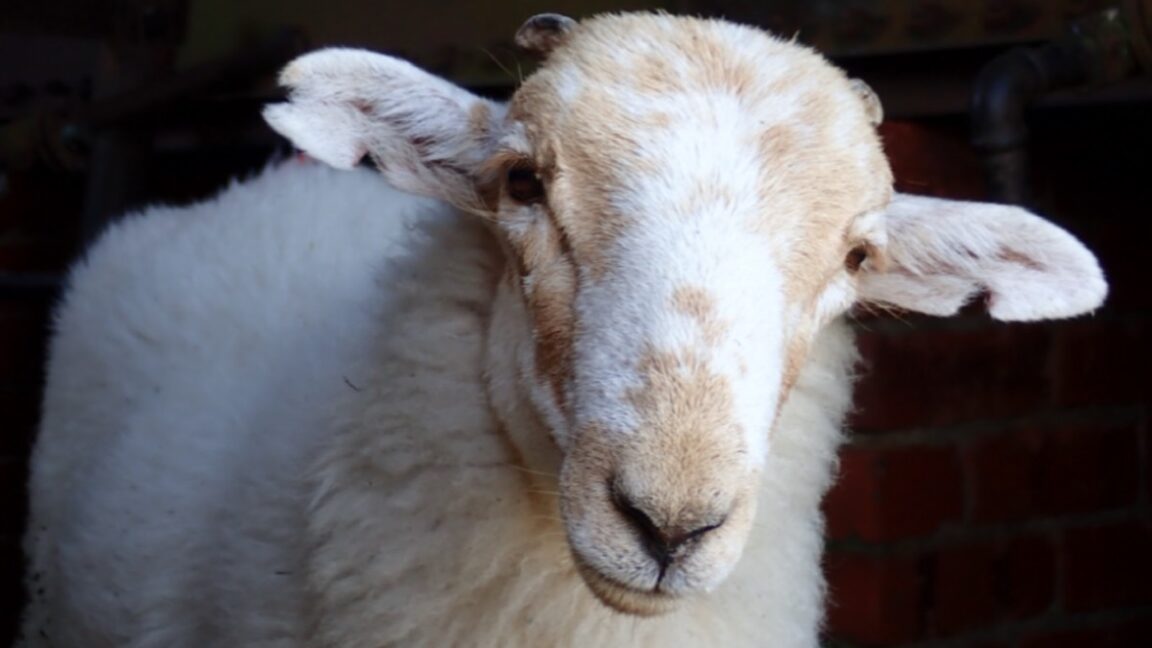
Medieval manuscripts may hold genetic evidence of historical sheeppox virus outbreaks, according to research findings. The preserved documents contain viral genetic material that researchers describe as functioning like "biological time capsules" for the disease.
Other archives and libraries worldwide may also contain similar genetic traces of past disease outbreaks, suggesting manuscripts could become valuable resources for studying the history of infectious diseases and viral evolution.
Sources
EGazette summarizes reporting from multiple sources; follow the links for the originals.
Comments
Loading comments…
Related articles
NASA Picture of the Day Features Arp 78, a Peculiar Galaxy in Aries
The Astronomy Picture of the Day spotlights an unusually structured galaxy cataloged for its distinctive shape.
Tern Colonies in England Show Signs of Recovery After Years of Decline
The National Trust says rising bird numbers are encouraging, though it cautions there is still work to be done.

Heatwaves and Wildfires Expose a Third of World's Population to Extreme Ozone Pollution
A European Union report found that 34 percent of the world's population faced 'extremely poor' ozone air quality in the first eight months of 2026, with Asia hit hardest.
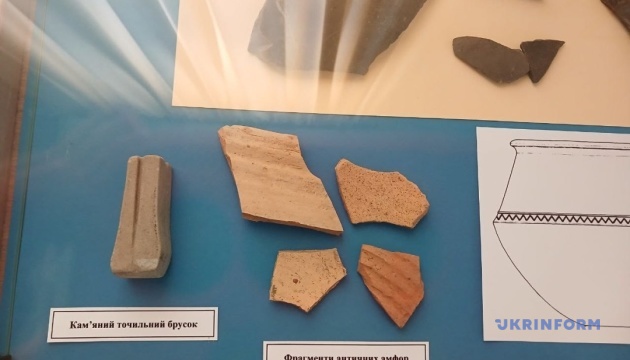
Roman-Era Pottery Kiln Discovered in Chernivtsi
Archaeologists date the find to the 3rd–5th centuries CE, uncovered during excavations on a central city street.

NASA opens 2027 Human Lander Challenge focused on lunar communications
NASA is inviting college and university students to submit ideas addressing reliable communications needs for sustained human presence on the Moon.
NASA awards $23.5 million contract for orbital safety analysis services
Omitron Inc. will provide conjunction assessment screening to help protect NASA spacecraft and astronaut safety over a five-year period.