Mathematicians Report New Solutions to Classic Picture-Hanging Puzzle
Scientific American describes fresh work on a recreational math problem exploring the most convoluted ways to hang a painting so it falls if any single nail is removed.

Mathematicians have found new solutions to a long-studied puzzle about how to hang a picture on a wall using a loop of rope and multiple nails so that the picture falls if any one nail is removed, according to a report by Scientific American.
The puzzle, a recreational problem with roots in topology and group theory, asks how a string can be wound around several pegs in such a way that the arrangement remains stable only as long as every peg stays in place. Removing a single peg is meant to cause the entire structure to collapse, regardless of which peg is chosen.
According to Scientific American, researchers have now identified new configurations that satisfy this condition, including what the publication describes as particularly inefficient or convoluted arrangements—effectively identifying some of the most impractical ways to hang a painting while still meeting the puzzle's mathematical requirements.
The problem is connected to concepts in abstract algebra, including the use of commutators—mathematical expressions that capture how the order of operations affects an outcome—to encode the winding pattern of the string around the nails. Such techniques have long been used by mathematicians to study braids, knots and other structures where sequence and interdependence matter.
Scientific American reported that the new findings expand the known set of solutions to the picture-hanging problem, offering fresh examples for a puzzle that has interested both professional mathematicians and enthusiasts of recreational math.
The publication did not specify the individual researchers or institutions behind the newly reported solutions in the excerpt reviewed for this article.
Sources
- Mathematicians discover the worst way to hang a painting — Scientific American
EGazette summarizes reporting from multiple sources; follow the links for the originals.
Related articles

OpenAI's Claimed Proof on Navier-Stokes Problem Sparks Debate Over Real-World Impact
Scientific American reports that while OpenAI's claimed proof addressing the Navier-Stokes problem is being called a mathematical achievement, practical applications remain uncertain and potentially distant.
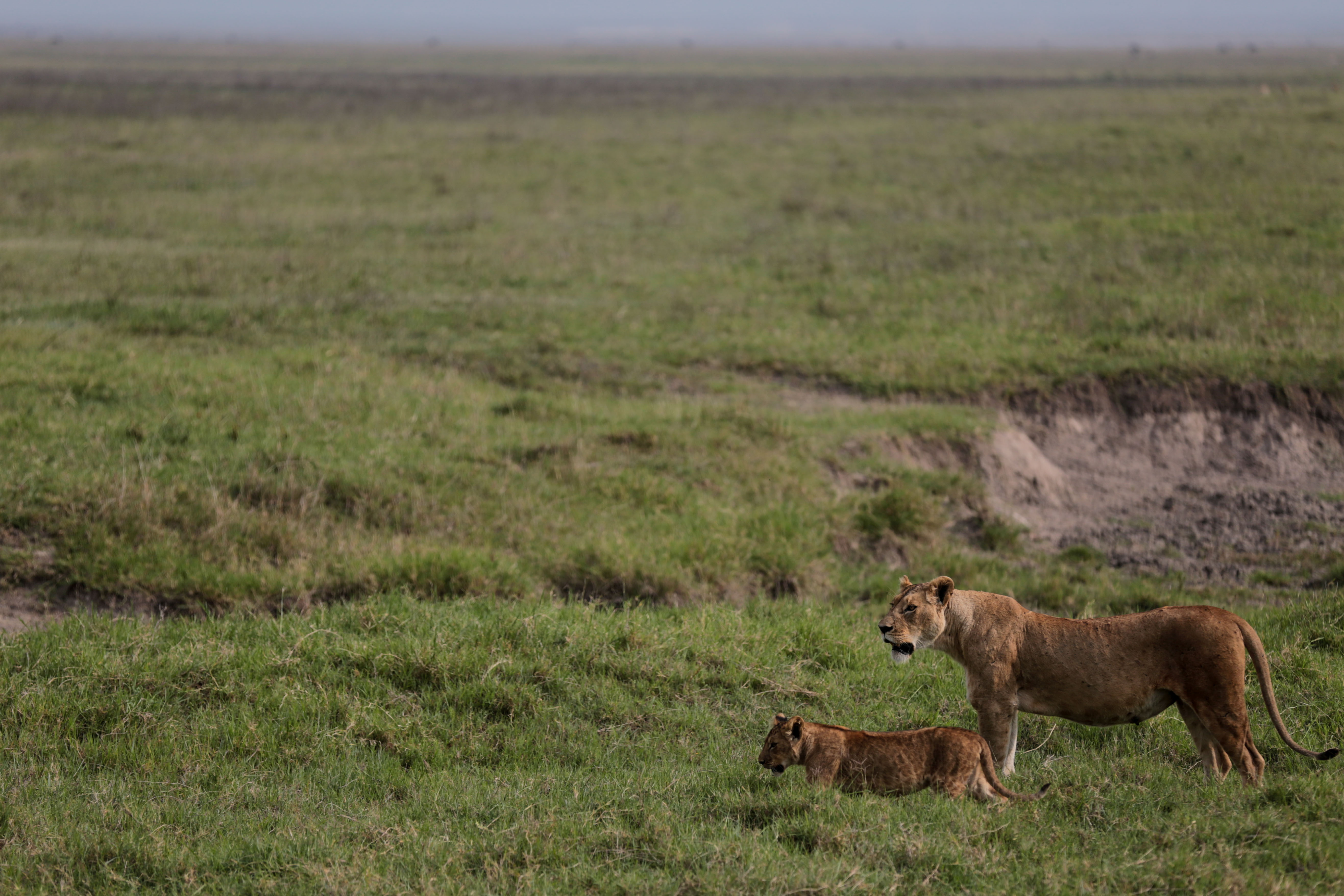
Poison suspected in deaths of ten lions at Tanzania game reserve
The lions were discovered dead in the Ngorongoro Conservation Area, prompting wildlife officials to investigate.

European Space Agency Launches Two Satellites to Monitor Climate Change
The new satellites will help scientists study the effects of climate change, with one instrument dedicated to observing plant life

Exceptional Discovery of Denisovan Fossils in a Southwestern Chinese Cave
Extremely rare remains of these Asian "cousins" of Neanderthals have been unearthed alongside stone tools, shedding new light on their way of life.
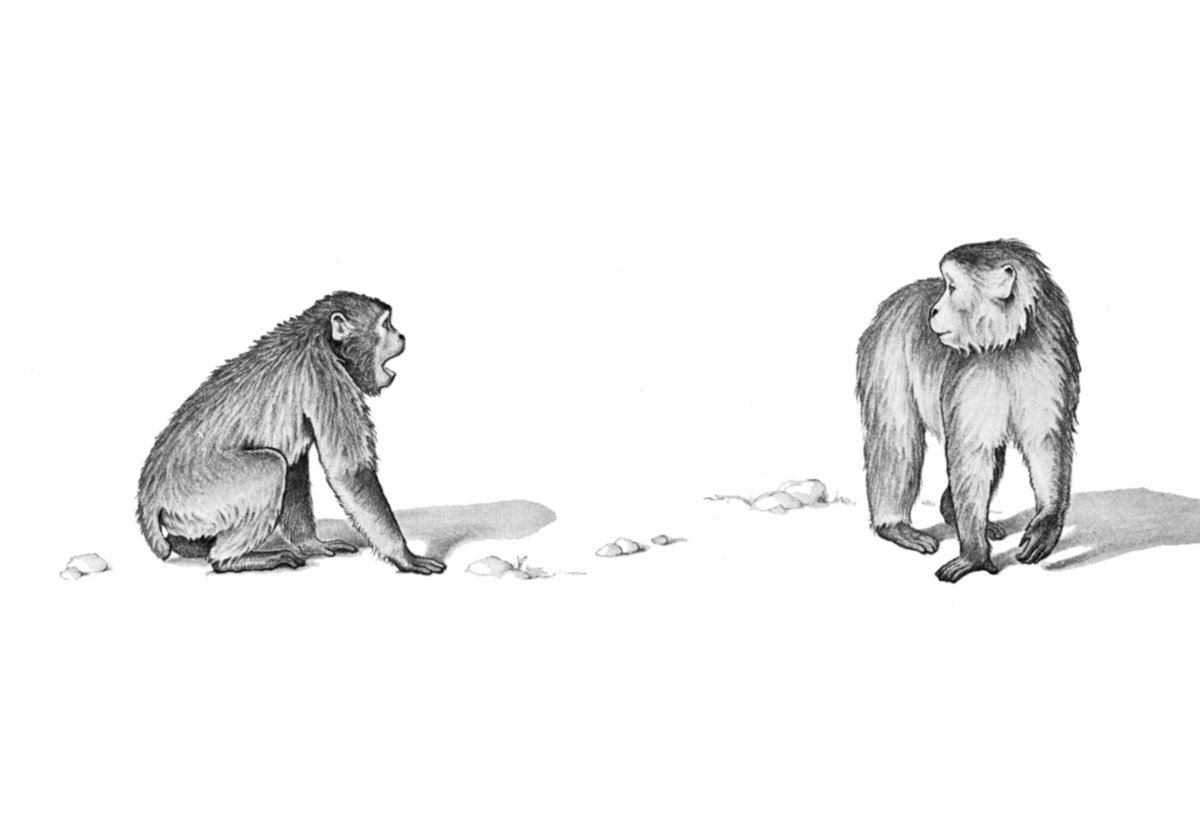
Scientific American's October Retrospective Looks Back at Smallpox, Skyscrapers and Racetrack Research
A historical column published by Scientific American revisits science and technology milestones from 50, 100 and 150 years ago, touching on smallpox eradication efforts, skyscraper excavation work and research conducted at racetracks.
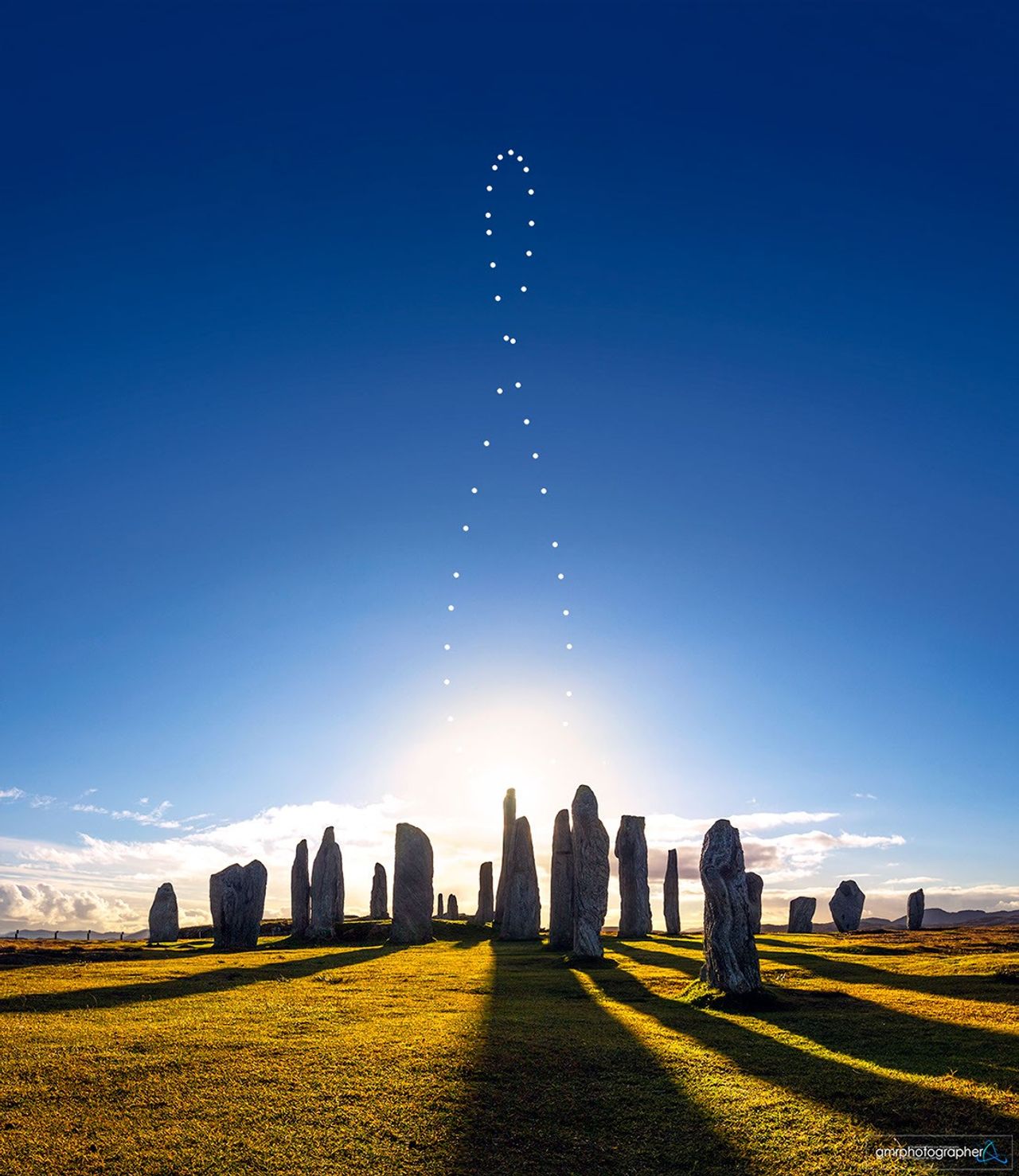
NASA's Astronomy Picture of the Day Features Analemma Over Scotland's Callanish Stones
The September 20, 2026 edition of NASA's long-running APOD series highlights a composite image showing the sun's yearly path above the ancient Callanish Stones.
Comments
Loading comments…