Mathematicians Explain Why Only Five 'Perfect' Shapes Exist in Geometry
Scientific American traces the topological reasoning behind the five Platonic solids, the only regular convex polyhedra possible.
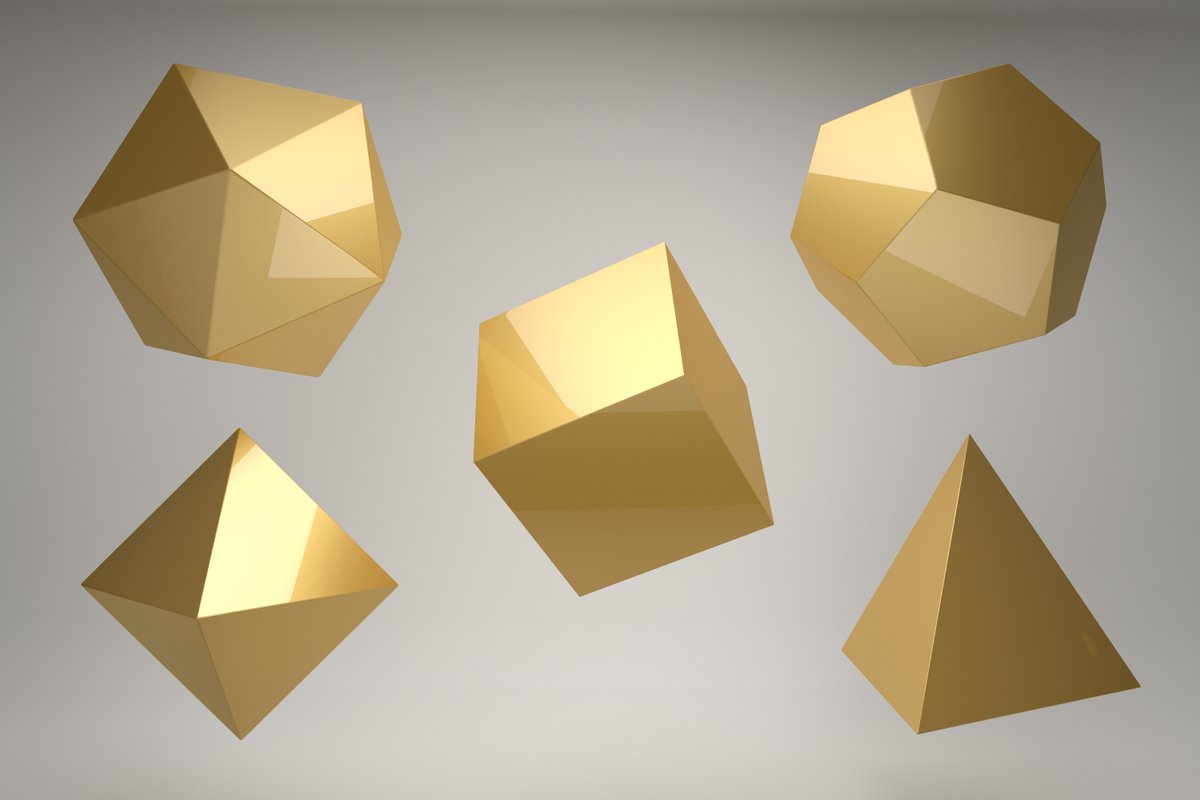
According to an article published by Scientific American, mathematics recognizes exactly five so-called Platonic solids: the tetrahedron, cube, octahedron, dodecahedron and icosahedron. The publication describes these shapes as the epitome of geometric perfection, noting that no others like them can exist.
Platonic solids are defined as three-dimensional convex shapes made up of identical regular polygon faces, with the same number of faces meeting at every vertex. The tetrahedron has four triangular faces, the cube has six square faces, the octahedron has eight triangular faces, the dodecahedron has twelve pentagonal faces, and the icosahedron has twenty triangular faces, the article notes.
Scientific American reports that the limit to exactly five such solids can be explained through principles of topology and geometry rather than mere observation. The reasoning centers on the constraints placed on how regular polygons can meet at a single vertex while still folding into a closed, convex three-dimensional shape. For a shape to close up properly, the angles of the polygons meeting at each corner must sum to less than 360 degrees, the article explains, and only a limited number of combinations of polygon types and counts satisfy this requirement.
The article traces the study of these shapes back to ancient Greek mathematicians, noting that they are named after the philosopher Plato, who associated them with classical elements in his writings. Scientific American states that mathematicians have long been fascinated by the symmetry and uniformity of the five solids, and that their limited number has made them a recurring subject of mathematical inquiry for centuries.
The publication frames the explanation as a demonstration of how abstract mathematical reasoning, rather than trial-and-error construction, can definitively establish the boundaries of what shapes are possible.
Sources
- There are just five perfect shapes in math—here's why — Scientific American
EGazette summarizes reporting from multiple sources; follow the links for the originals.
Related articles

OpenAI's Claimed Proof on Navier-Stokes Problem Sparks Debate Over Real-World Impact
Scientific American reports that while OpenAI's claimed proof addressing the Navier-Stokes problem is being called a mathematical achievement, practical applications remain uncertain and potentially distant.

Poison suspected in deaths of ten lions at Tanzania game reserve
The lions were discovered dead in the Ngorongoro Conservation Area, prompting wildlife officials to investigate.

European Space Agency Launches Two Satellites to Monitor Climate Change
The new satellites will help scientists study the effects of climate change, with one instrument dedicated to observing plant life

Exceptional Discovery of Denisovan Fossils in a Southwestern Chinese Cave
Extremely rare remains of these Asian "cousins" of Neanderthals have been unearthed alongside stone tools, shedding new light on their way of life.
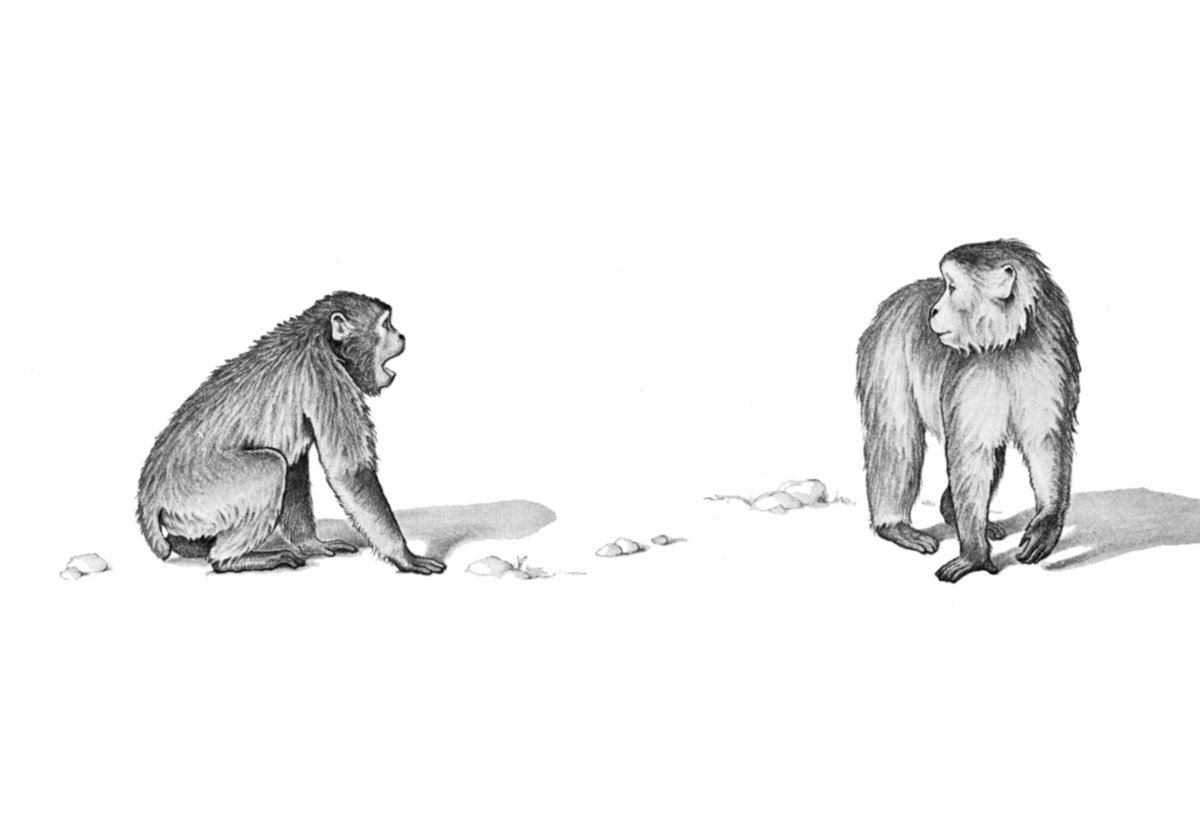
Scientific American's October Retrospective Looks Back at Smallpox, Skyscrapers and Racetrack Research
A historical column published by Scientific American revisits science and technology milestones from 50, 100 and 150 years ago, touching on smallpox eradication efforts, skyscraper excavation work and research conducted at racetracks.
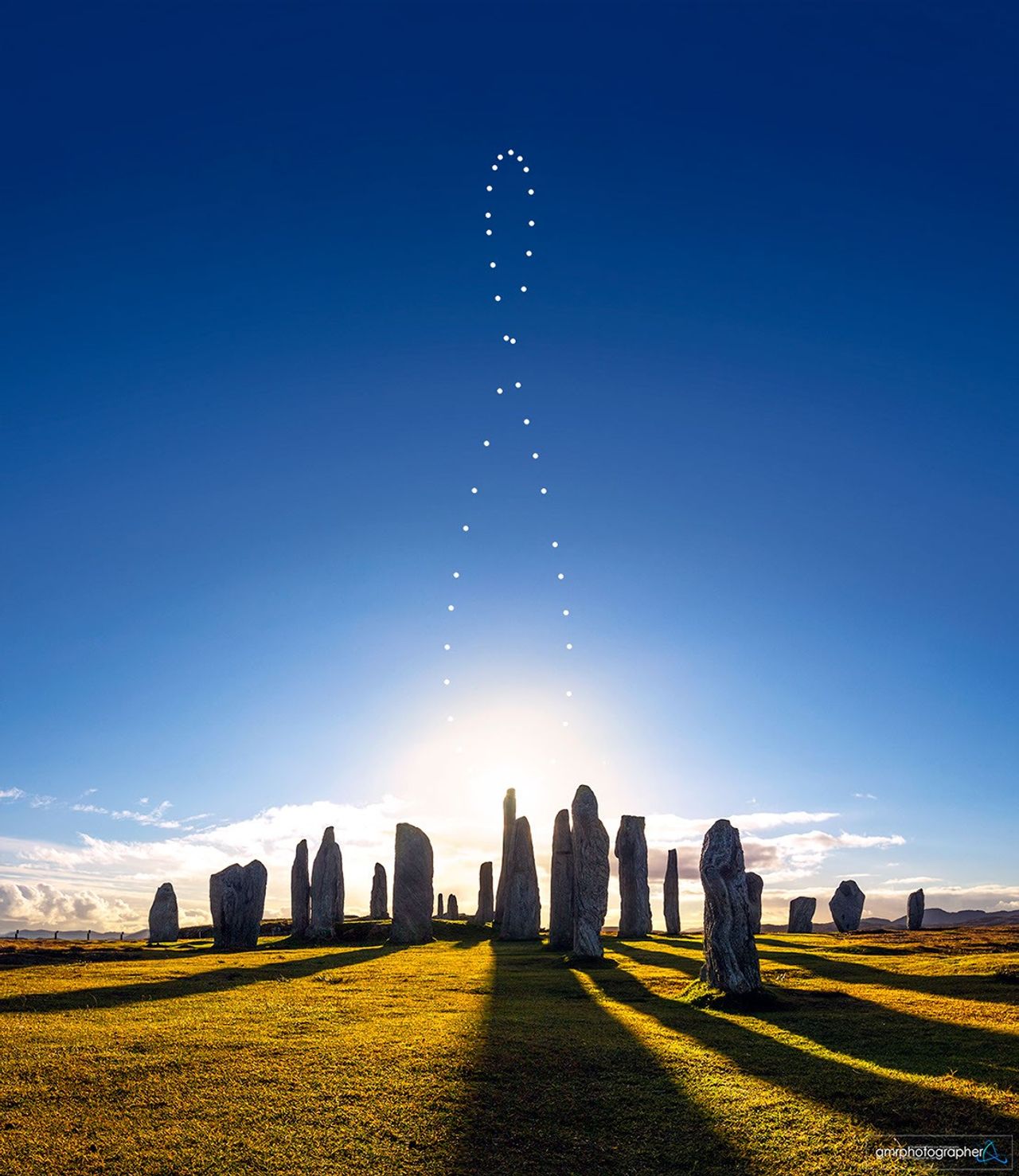
NASA's Astronomy Picture of the Day Features Analemma Over Scotland's Callanish Stones
The September 20, 2026 edition of NASA's long-running APOD series highlights a composite image showing the sun's yearly path above the ancient Callanish Stones.
Comments
Loading comments…