Malaysia Urges Action on Palestine, Challenges UN Veto at General Assembly
Foreign Minister Mohamad Hasan warned the conflict around the Strait of Hormuz is hitting families far beyond the Middle East and called for the Global South to have greater say in AI governance.
Written by EGazette’s AI. The facts are drawn from cited sources; the analysis is the AI’s own.
Malaysia's Foreign Minister Mohamad Hasan urged stronger international action on the Palestinian issue and challenged the use of the veto power at the United Nations Security Council, in an address to the UN General Assembly.
Hasan also warned that tensions surrounding the Strait of Hormuz are affecting families well beyond the Middle East, pointing to the broader economic and security ripple effects of instability in the region given its importance to global energy shipping routes.
In addition to these security concerns, the foreign minister called for the Global South to be given a greater voice in the governance of artificial intelligence, reflecting growing calls from developing nations for more inclusive international decision-making as AI technology reshapes economies and societies worldwide.
Malaysia's remarks position it among a group of countries using the General Assembly's general debate to push for reforms to existing international structures, including the Security Council's veto system, which critics argue can obstruct action on humanitarian and security crises.
The address adds to Malaysia's ongoing diplomatic engagement on Palestinian rights issues and its broader advocacy for developing nations to have a stronger role in shaping global governance frameworks.
Sources
- Malaysia urges action on Palestine, challenges UN veto at General Assembly — Anadolu Agency (Turkey)
EGazette summarizes reporting from multiple sources; follow the links for the originals.
Comments
Loading comments…
Related articles
Indonesia Tells UN Palestinian Cause Is Test of 'Conscience,' Multilateral System
Indonesia's foreign minister told the UN General Assembly that the Palestinian question is a test of the world's conscience and of the multilateral system, pledging continued support until Palestinian self-determination is achieved.
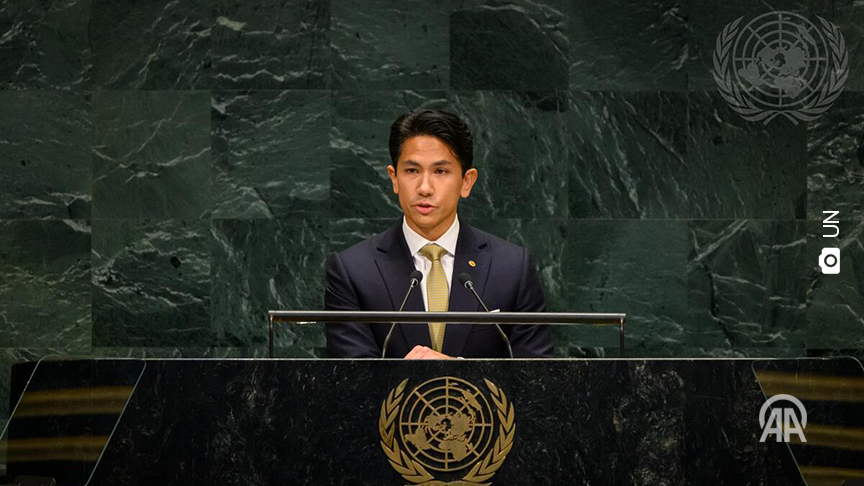
Brunei Warns Lack of Justice for Palestinians Tests UN Credibility
Foreign Minister Prince Abdul Mateen called for an independent Palestinian state on 1967 borders with East Jerusalem as its capital.
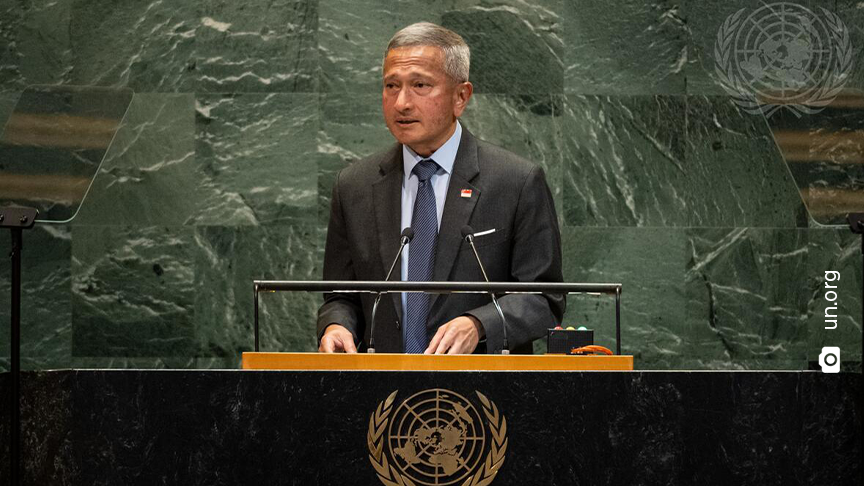
Singapore Warns UN That AI Safeguards Must Keep Pace With Rapid Capabilities
Foreign Minister Vivian Balakrishnan also cautioned that closure of the Strait of Hormuz would threaten global navigational rights.
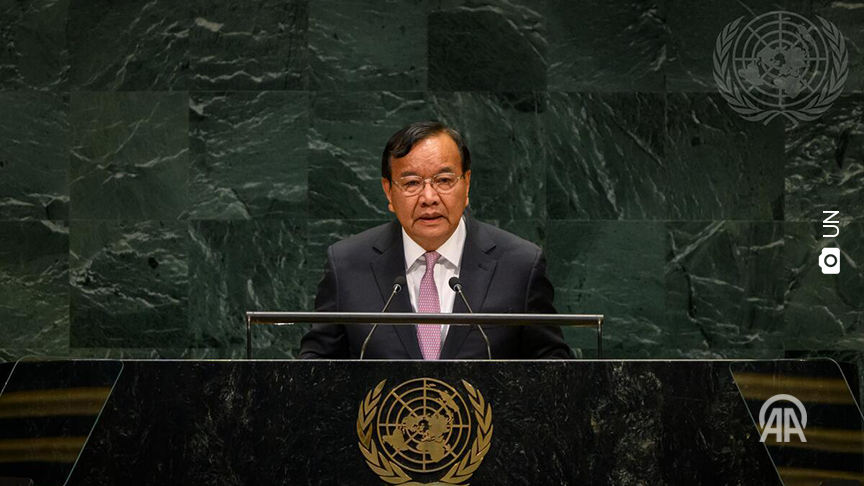
Cambodia Calls for Fair, Lasting Border Settlement With Thailand at UN
Phnom Penh used its UN General Assembly address to press for sovereign equality and a durable resolution to its border dispute with Thailand.
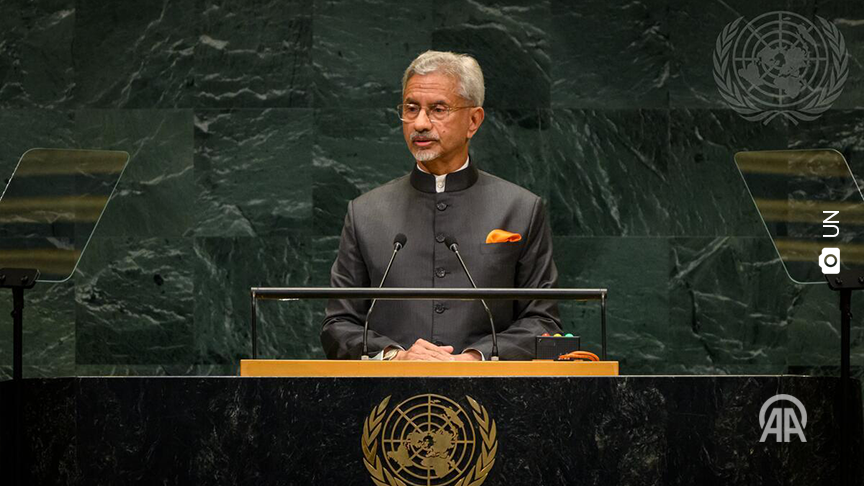
India Stresses Two-State Solution for Lasting Mideast Peace at UN
New Delhi's top diplomat urged restraint from all parties in the Middle East and rejected attacks on commercial shipping in international waters.
Turkish Foreign Minister Meets UN General Assembly President in New York
Hakan Fidan held talks with Khalilur Rahman on the sidelines of the UN General Assembly session in New York, Turkiye's Foreign Ministry said.