Letter Calls for Social Care Reform to Reflect Diversity of Unpaid Carers' Experiences
A researcher and unpaid carer writes to The Guardian arguing that policy responses to Britain's care crisis must account for the wide variation in caregiving roles, following a report on rising numbers quitting jobs to provide care.

A letter published in The Guardian's opinion section has called for social care reform in Britain to better reflect the diversity of unpaid caregiving roles, responding to a recent article on the growing number of people leaving employment to care for relatives.
The letter's author, Dr Louise Lawson, identified herself as both an unpaid carer and a researcher in the field. She said an article by Patrick Butler, published on 16 September, resonated with her personal and professional experience. That article reported that approximately 1,500 people in Britain quit their jobs each day to become unpaid carers, according to a report cited from Carers UK.
Dr Lawson said the report served as a reminder of what she described as an often-hidden issue, highlighting not only the growing care needs of older people but also increasing numbers of younger people who rely on unpaid care.
She referenced a comment in the original article from midwife Jacqui Hylton, who said that caring for her mother was "harder than working in the NHS." Dr Lawson said this observation deserved serious attention from policymakers.
However, Dr Lawson argued that public debate on the issue often fails to recognize the diversity and scale of caregiving responsibilities in the UK. She wrote that there is no such thing as a "typical" unpaid carer, noting that caring roles vary enormously depending on circumstances — whether supporting a disabled child, a working-age adult with a progressive condition, or an older relative living with dementia.
The letter suggests that any reform to social care policy must account for variations in the type, intensity, and duration of care that unpaid carers provide, rather than treating caregiving as a uniform experience.
Sources
- A fresh approach to supporting unpaid carers | Letter — The Guardian — Opinion
EGazette résume des articles de plusieurs sources ; suivez les liens pour les originaux.
Articles liés

Environ 1 500 Britanniques par jour quittent leur emploi pour devenir aidants non rémunérés, selon un rapport
Selon une étude de Carers UK, plus d'un million de personnes ont quitté le marché du travail au cours des deux dernières années pour s'occuper de proches âgés, malades ou en situation de handicap, tandis que l'accès aux services sociaux financés par l'État diminue.

Une lettre avertit que 500 000 enfants pourraient perdre l'aide alimentaire pendant les vacances scolaires au Royaume-Uni
Andrew Forsey affirme qu'un changement des critères d'admissibilité pourrait exclure les bénéficiaires de repas scolaires gratuits du programme Holiday Activities and Food, appelant le gouvernement à rétablir le lien.

Selon l'historien Jean-Pierre Filiu, Nétanyahou a « sabordé » la diplomatie israélienne
Dans une chronique publiée par Le Monde, l'historien affirme que le ministère des affaires étrangères israélien a été systématiquement affaibli sous l'actuel premier ministre.

France Inter met fin à l'édito hebdomadaire de Charles Sapin, de Valeurs actuelles
Le journaliste, responsable du magazine conservateur, a annoncé samedi la suppression de sa chronique, testée par le personnel de la radio publique.

Un sociologue appelle à repenser le débat sur les résultats PISA de l'école française
Dans une tribune publiée par Le Monde, le chercheur en sciences de l'éducation Xavier Pons analyse l'évolution des discussions publiques autour de l'enquête PISA et plaide pour de nouveaux outils de réforme scolaire.
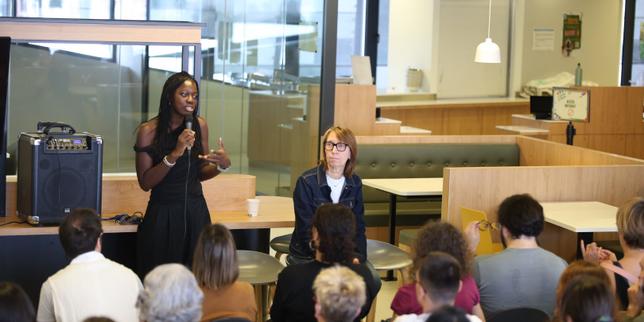
Festival du « Monde » : une journaliste du quotidien évoque les défis de la couverture présidentielle
Lors d'une rencontre avec les lecteurs samedi, Mariama Darame, journaliste au service politique du « Monde », a évoqué les enjeux de la couverture de la campagne présidentielle, selon le quotidien.
Comments
Loading comments…